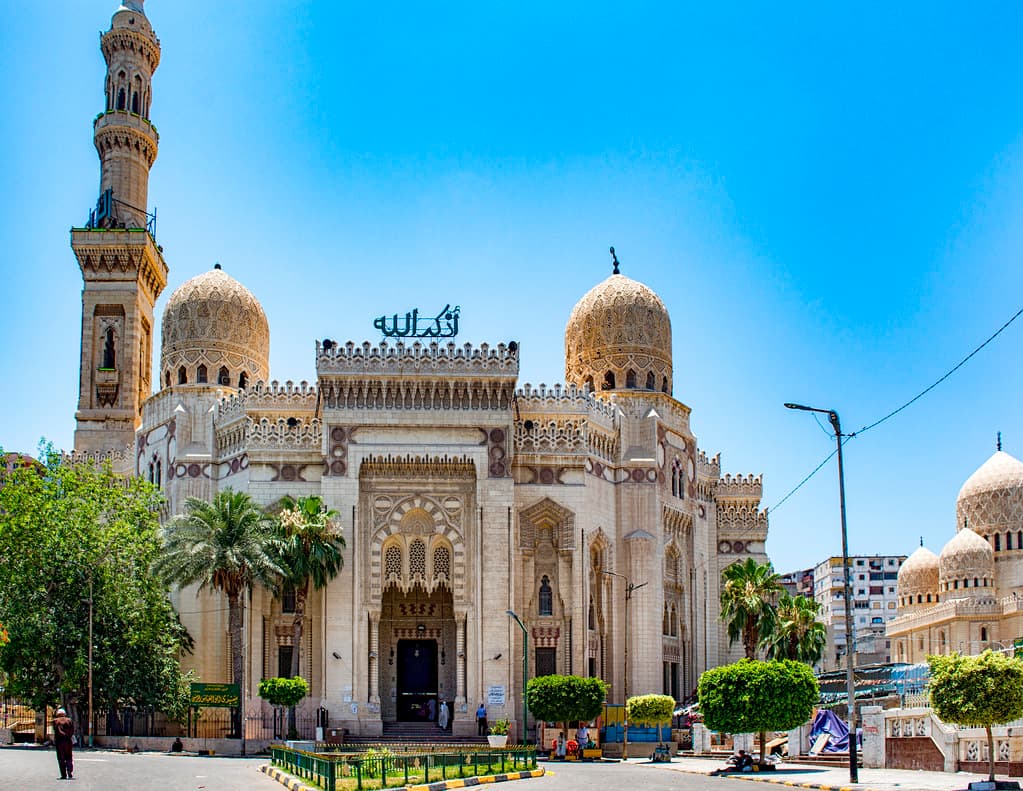
Today, the Egyptian Ministry of Awqaf inaugurated 12 new mosques in various governorates, as part of its ongoing plan to revitalize places of worship and enhance their role in society. This inauguration aligns with the ministry's vision to promote religious and cultural values, providing suitable spaces for worship and social interaction.
The Ministry of Awqaf aims through this initiative to meet the needs of citizens for places of worship, having carefully selected locations to be close to population centers. The new mosques are designed to serve as cultural and religious centers, offering educational services and religious lessons to the public.
Details of the Event
The mosques inaugurated today are spread across several governorates, including Cairo, Giza, and Alexandria. These mosques are equipped with the latest facilities, including prayer halls, libraries, and ablution areas. Special attention has been given to providing a comfortable environment for worshippers, while adhering to environmental standards in construction.
During the inauguration ceremony, the Minister of Awqaf emphasized the importance of mosques in spreading Islamic values and fostering a spirit of cooperation among citizens. He noted that these mosques will contribute to enhancing the cultural and religious identity of the Egyptian community.
Background & Context
This initiative comes as part of the Egyptian government's efforts to strengthen the role of religion in the daily lives of citizens. In recent years, there has been an increasing focus from the Ministry of Awqaf on developing and renovating mosques, with many mosques opened across the country.
Historically, mosques in Egypt have played a central role in social and religious life, serving as centers for teaching religious and cultural sciences. With social and economic changes, it has become essential to rehabilitate these mosques to meet the needs of modern society.
Impact & Consequences
The new mosques are expected to strengthen social ties among citizens, providing spaces for worship and social interaction. They will also aid in disseminating Islamic values and enhancing religious awareness among the youth.
Moreover, the development of mosques could improve Egypt's image in the Islamic world, as mosques are considered one of the most important symbols of Islamic identity. This could elevate Egypt's status as a leading country in the fields of culture and religion.
Regional Significance
This initiative serves as a model for other Arab countries, where it can contribute to enhancing the role of mosques as cultural and religious centers. Amid the challenges faced by Arab communities, strengthening the role of religion in daily life could have a positive impact on social stability.
Additionally, these initiatives may inspire other countries to develop their religious infrastructure, thereby strengthening cultural and religious ties among Arab nations.
In conclusion, the inauguration of 12 new mosques in Egypt represents an important step towards enhancing the role of religion in the daily lives of citizens and reflects the government's commitment to meeting the community's needs for places of worship.