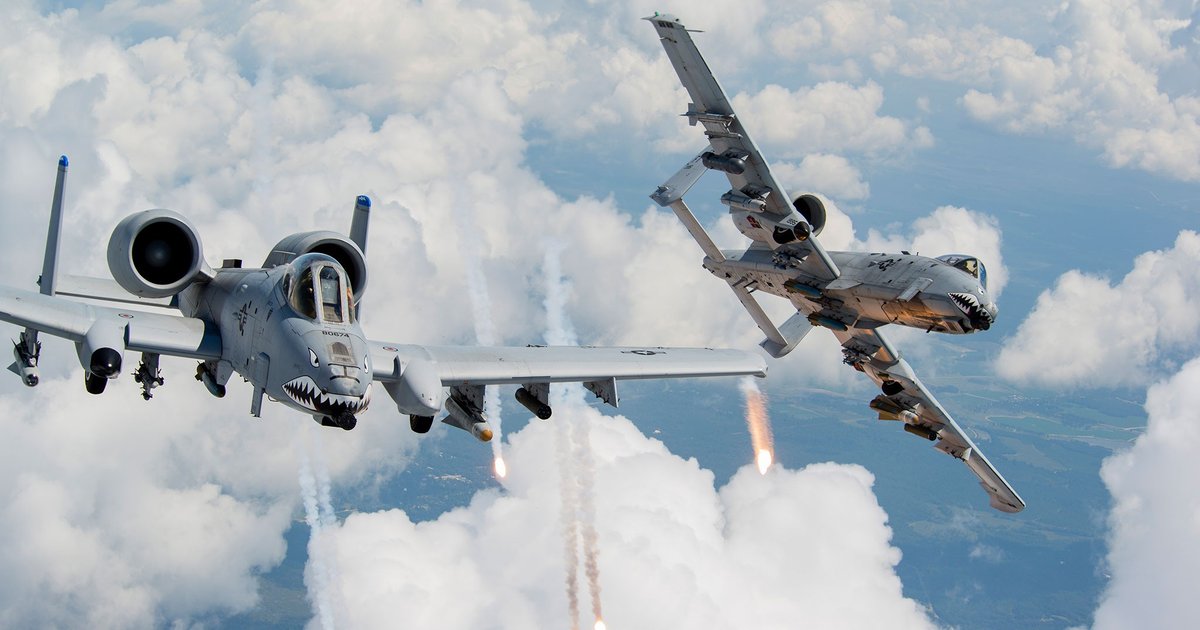
The United States has announced a doubling of its A-10 attack aircraft in the Middle East, a move that reflects its readiness to bolster its military presence in the region. These aircraft, known for their ability to support ground forces, come at a time when tensions between the U.S. and Iran are escalating, raising questions about Washington's intentions in the area.
The A-10 aircraft are unique attack planes designed specifically to support ground troops through their capability to conduct precision bombing operations against ground targets. With increasing concerns over Iranian activities, it appears that the U.S. is seeking to enhance its military capabilities in the face of any potential threats.
Details of the Announcement
This step is part of a broader U.S. strategy to strengthen its military presence in the Middle East, aiming to deter any potential escalation from Iran. Recent reports have indicated a possibility of deploying U.S. ground forces in Iran, further heightening tensions in the region.
The A-10s are part of a diverse air fleet aimed at providing air support to ground forces, reflecting the U.S. commitment to protecting its interests in the region. This move comes at a sensitive time, as tensions between Iran and the U.S. have increased, especially following Washington's withdrawal from the nuclear agreement.
Background & Context
Historically, U.S.-Iran relations have been marked by escalating tensions, particularly since the Iranian Revolution in 1979. Since then, the U.S. has taken a series of military and economic actions against Iran, including imposing strict economic sanctions. With the rise of Iranian military activities in the region, including its support for militias in Iraq and Syria, the U.S. has become increasingly cautious about enhancing its military presence.
The A-10 aircraft are part of U.S. efforts to bolster its military capabilities in response to potential threats. These planes have been used in numerous past conflicts, proving effective in providing support to ground forces.
Impact & Consequences
This move is likely to escalate tensions between the U.S. and Iran, as Tehran may interpret this military buildup as provocation. Additionally, the deployment of U.S. ground forces in Iran could provoke violent reactions from the Iranian government, increasing the likelihood of direct military conflict.
Moreover, these developments may affect regional security, as neighboring countries might feel concerned about rising military tensions. This step could also lead to increased divisions within the region, with some countries taking pro or anti-U.S. military presence stances.
Regional Significance
Arab countries neighboring Iran find themselves in a sensitive position, as any military escalation could impact their stability. While some Arab nations seek to strengthen their ties with the U.S., others may worry about the potential consequences of any military conflict.
These developments could also affect peace efforts in the region, complicating negotiations among various parties. Under these circumstances, it becomes essential for Arab nations to maintain communication with major powers to ensure regional stability.
In conclusion, the U.S. doubling its fleet of A-10 aircraft in the Middle East reflects the escalating tensions between Washington and Tehran. With increasing concerns about the potential deployment of U.S. ground forces, the question remains how these steps will impact regional security and the future of relations among countries in the area.