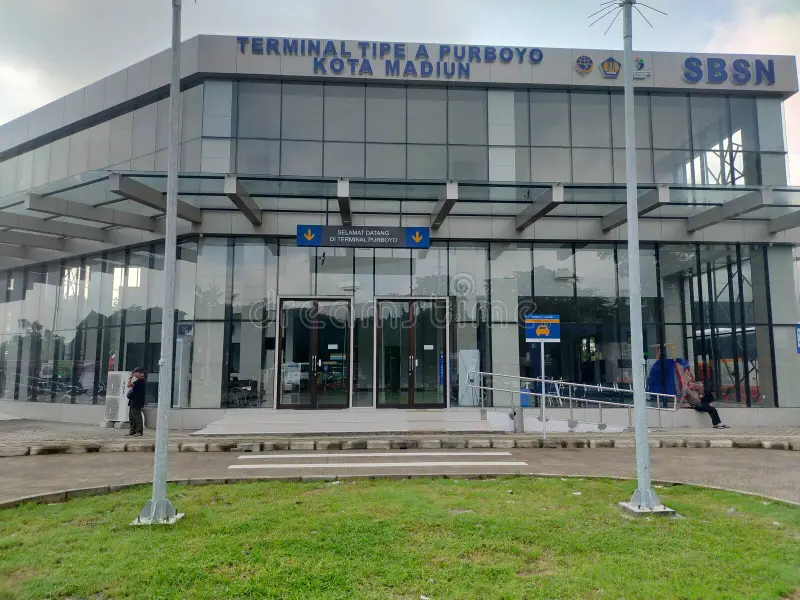
In an effort to address the significant congestion experienced at the Barboiyo station in Madiun, Indonesia, the station management has announced the operation of 120 additional buses. This move is a direct response to the marked increase in passenger numbers during the holiday period, as many seek to travel to various destinations.
The Barboiyo station is considered one of the main stations in Indonesia and has recently witnessed a large influx of passengers, exacerbating congestion. According to reports, this decision aims to alleviate the pressure on public transport services and ensure the comfort of travelers.
Event Details
The Barboiyo station management is currently making intensive preparations to accommodate the new buses, with additional routes designated to facilitate passenger movement. Security and health measures have also been enhanced to ensure everyone's safety. This initiative was announced earlier this week, reflecting the government's commitment to providing effective and safe transport services.
These additional buses are expected to reduce waiting times for passengers, thereby enhancing the overall travel experience. Many travelers have expressed their satisfaction with this decision, hoping it will contribute to improving the current situation.
Background & Context
Historically, Indonesia has faced significant challenges in public transportation, especially during peak periods such as holidays. The Barboiyo station is one of the busiest stations in the country, receiving thousands of passengers daily. The government has previously launched several initiatives to improve transport services, but congestion remains an ongoing challenge.
In recent years, the government has increased its investments in developing transport infrastructure, including upgrading stations and increasing the number of buses. However, rapid population growth in major cities like Madiun puts additional pressure on the transport system.
Impact & Consequences
This decision is seen as a positive step towards improving public transport services in Indonesia and may have beneficial effects on the local economy. By facilitating passenger movement, job opportunities may increase, and living conditions for residents could improve. Additionally, enhancing transport services can boost tourism, making it easier for visitors to navigate between various destinations.
However, the biggest challenge remains how to sustain these improvements in the long term. The government needs to develop effective strategies to ensure the sustainability of transport services and meet the growing needs of the population.
Regional Significance
Although this news pertains to Indonesia, there are lessons that Arab countries can learn. Many Arab cities face similar challenges in public transportation, especially during peak periods. Indonesia's experience in increasing the number of buses and improving transport services could serve as a model to emulate.
Moreover, enhancing public transport services can contribute to boosting the local economy in Arab countries, positively impacting the standard of living. Therefore, monitoring developments in this field in Indonesia may be beneficial for Arab nations seeking to improve their transport systems.