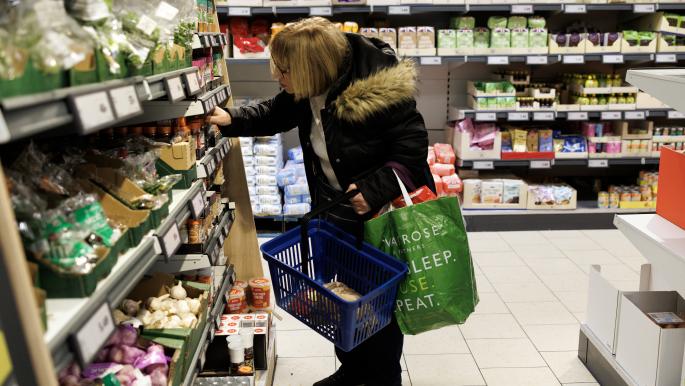
A new survey in Britain reveals that consumers are shifting towards saving rather than spending due to fears about the war's effects on the economy. This trend reflects growing anxiety about financial stability amid current conditions.
The results indicate that an increasing number of Britons prefer to keep their money rather than spend it, amid concerns about the ongoing conflicts' repercussions on the local economy. The survey shows that 60% of participants expressed worries about the war's impact on prices and the availability of goods, prompting them to make more conservative financial decisions.
Event Details
As geopolitical tensions escalate in multiple regions around the world, British consumers are increasingly concerned about how these crises affect their daily lives. Data shows that 45% of survey participants have halted or reduced their purchases due to these fears. Additionally, 30% of them indicated plans to cut back on spending for non-essential goods.
These findings coincide with economic reports indicating a slowdown in growth in the UK, where the economy is facing multiple pressures, including rising living costs and increasing inflation rates. In this context, saving is seen as a safer option for many British households.
Background & Context
Historically, Britain has faced multiple economic crises, but the current situation differs due to the effects of international conflicts. The war in Ukraine, for example, has led to rising energy and food prices, directly impacting household budgets. Additionally, political crises in the Middle East and Africa contribute to increasing economic uncertainty.
In recent years, Britain has been grappling with the repercussions of its exit from the European Union, complicating the economic landscape further. With the outbreak of the COVID-19 pandemic, the British economy faced additional challenges, making consumers more cautious in their spending.
Impact & Consequences
The implications of this trend extend beyond mere numbers, as it can affect overall economic growth. If consumers continue to reduce their spending, it may lead to a decline in demand for goods and services, which could negatively impact businesses and result in job losses.
Moreover, a decrease in spending could increase pressure on the British government to implement stimulus measures to support the economy. Under these circumstances, policymakers may need to consider new strategies to address these growing concerns.
Regional Significance
The economic situation in Britain is particularly significant for the Arab region, as any downturn in the British economy could impact investments and trade between the two sides. Additionally, rising prices in Britain could lead to increased costs for goods imported from Arab countries, affecting consumers' purchasing power in the region.
In light of these circumstances, Arab countries may need to closely monitor the economic situation in Britain, as any changes in British economic policies could affect trade and economic relations between the two sides.
In conclusion, this survey shows that consumers in Britain are turning to saving as a natural response to concerns about economic conditions. As geopolitical tensions continue, the question remains about how this will affect the British economy and international relations, including its impact on the Arab region.