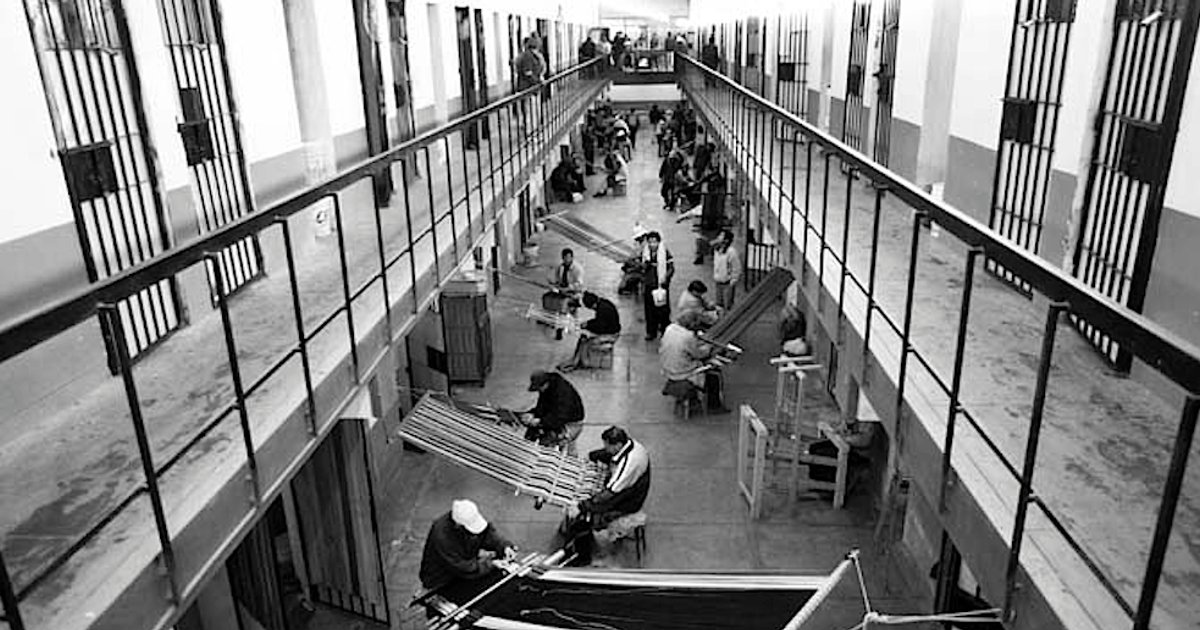
Reports indicate a rising trend of prisoners paying for better conditions within prisons, emerging as unconventional solutions to overcrowding and mistreatment issues. Experts assert that this phenomenon reflects shifts in the perception of criminal penalties.
In recent years, some prisons in various countries have begun offering options for inmates to enhance their living conditions, such as obtaining single rooms or additional services, in exchange for certain fees. This trend has sparked widespread debate regarding justice and equality within the judicial system.
Details of the Phenomenon
Reports about this phenomenon are increasing in several countries, where prisoners are allowed to pay sums of money to improve their conditions. In some cases, inmates can secure better rooms, higher quality food, or even recreational services. This raises questions about how money influences justice and whether this system exacerbates the gap between wealthy and poor prisoners.
Some experts consider this phenomenon a potential solution to overcrowding issues in prisons, as it could lead to a reduction in the number of inmates in cramped cells. However, others point out that this system may lead to discrimination against prisoners who cannot afford to enhance their conditions.
Background & Context
Historically, prisons have been viewed as places of punishment, but over time, some countries have begun to reconsider how prisons are managed. In many nations, rehabilitation programs have been introduced to improve the lives of inmates post-release. Nevertheless, significant challenges remain, including overcrowding and mistreatment.
This phenomenon is part of a broader shift in how crime and penalties are addressed. In some countries, there is a focus on rehabilitation rather than punishment, opening the door for discussions on how to improve prison conditions.
Impact & Consequences
This phenomenon could lead to significant changes in how prisons are managed. If these practices continue, the gap between prisoners who can afford to pay for improved conditions and those who cannot may widen. This situation could ignite debates about justice and equality within the judicial system.
Moreover, this phenomenon may affect how society views prisons and inmates. Improving prison conditions could reduce the stigma associated with incarceration, potentially facilitating reintegration into society for released prisoners.
Regional Significance
In the Arab region, issues of human rights and prison conditions remain sensitive topics. Many countries face criticism for mistreatment and overcrowding in prisons. If this phenomenon were adopted in Arab nations, it could lead to improved conditions, but it might also raise concerns regarding justice and equality.
It is crucial to approach these issues with caution, as improving prison conditions should be accessible to all, regardless of their financial status. Clear policies must be established to ensure that this phenomenon is not exploited.
In conclusion, the phenomenon of prisoners paying for improved conditions emerges as a controversial topic, intertwining issues of justice and equality with human rights. Ongoing discussions on how to enhance prison conditions without compromising justice principles are essential.