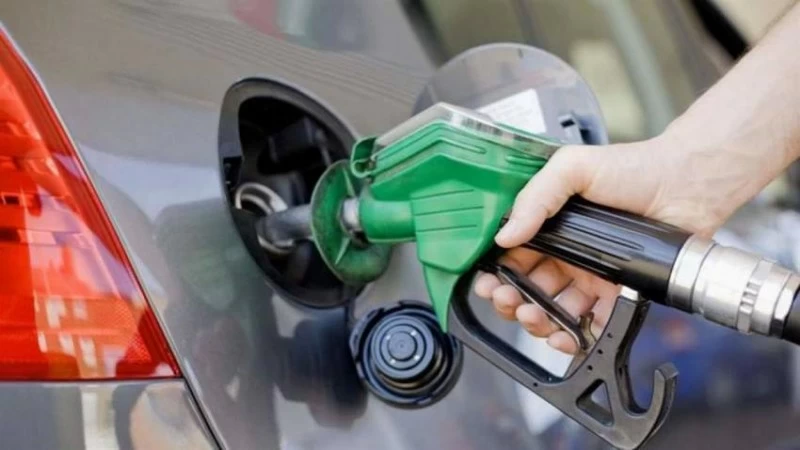
The Thai government has announced an increase in diesel prices by 2.80 baht per liter, effective today. This decision comes after the government’s Oil Fuel Fund Management Committee reduced the subsidies allocated for fuel, resulting in higher prices in the market.
The subsidy for diesel prices has been cut by 2.61 baht per liter, with the subsidy decreasing from 20.71 baht to 18.10 baht per liter for diesel (B7), and from 22.22 baht to 19.61 baht per liter for diesel (B20). Consequently, the new price for diesel (B7) will be 50.54 baht per liter instead of 47.74 baht, while the price for diesel (B20) will rise from 42.74 baht to 45.54 baht per liter.
Details of the Announcement
These new prices apply specifically to the capital Bangkok and do not include local taxes, while it has been decided to keep gasoline prices unchanged. The Thai Energy Minister indicated that the government will reassess the costs of refining and marketing oil by April 6 as part of efforts to control rising fuel prices.
Finance Minister Arkhom Termpittayapaisith explained that these new calculations will be presented to the Cabinet, and they are expected to lead to a reduction in energy prices. Additionally, Arkhom has been appointed as the head of a new committee to review the fuel cost structure and pricing mechanisms, noting that current calculations may be inflated, resulting in higher pump prices for consumers.
Background & Context
Thailand, like many other countries, faces significant challenges amid rising global oil prices, which have been heavily impacted by geopolitical crises and wars. The Thai government is seeking to take effective steps to mitigate the effects of these increases on citizens, as fuel prices are a key factor influencing the local economy.
In recent years, fuel prices have experienced significant fluctuations, prompting the government to take repeated measures to stabilize prices. This latest increase comes at a sensitive time, as citizens are trying to adapt to the rising costs of daily life.
Impact & Consequences
The increase in diesel prices is expected to affect transportation and goods costs, potentially leading to higher prices for food and other services. The Thai government, through statements from Prime Minister Prayuth Chan-o-cha, has confirmed that it will consider all possible measures to alleviate the burden of rising oil prices on citizens.
There is also a strong emphasis on the need for mechanisms to prevent fuel hoarding or speculation, reflecting the government’s commitment to providing market stability. These measures could help mitigate the negative impact on the local economy, but they require cooperation from all stakeholders involved.
Regional Significance
Fuel prices are a sensitive issue worldwide, including in Arab countries. The rise in diesel prices in Thailand may have indirect effects on fuel prices in Arab nations, especially given the heavy reliance on oil as a primary energy source.
This increase could put additional pressure on Arab governments striving for economic stability, necessitating similar measures to address the economic challenges arising from rising energy prices.
In conclusion, fuel prices remain a vital topic affecting citizens' lives and local economies, requiring governments to make informed decisions to ensure market stability.