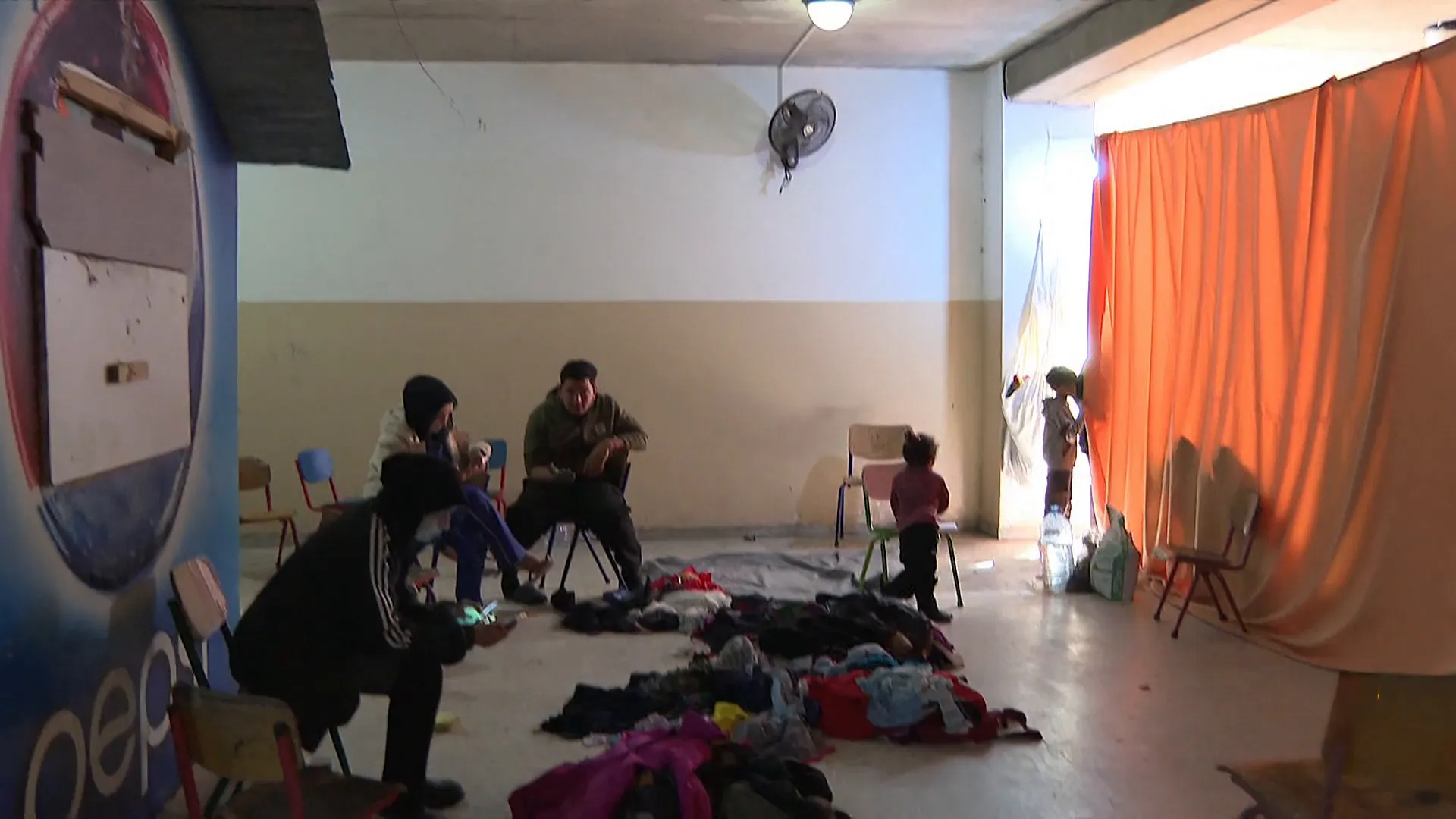
The city of Sidon and its surroundings in Lebanon are witnessing an increasing movement of displacement in recent days, driven by escalating security tensions and pressing humanitarian conditions. Many families have been forced to leave their homes urgently, reflecting a deteriorating humanitarian reality.
This displacement occurs within the context of repeated waves affecting southern Lebanese regions, where families are compelled to flee in short timeframes, often without the ability to prepare in advance or secure their basic needs.
Details of the Event
Internal displacement in such circumstances represents one of the most significant humanitarian challenges, as families face considerable difficulties in securing shelter, food, and essential services. With mounting pressure on host communities and infrastructure, fears of worsening conditions are increasing.
According to testimonies from the displaced, many left without taking any of their belongings, relying only on what they were wearing. One displaced woman stated, "The situation was difficult; I couldn’t take anything… we left with just our clothes." Another recounted having to leave behind cherished possessions, adding, "I had valuable things, but there was no time to take them."
Background & Context
These events coincide with a military escalation by Israel, which has been conducting extensive aerial assaults on Lebanon since March 2, resulting in the deaths of approximately 1,400 people and injuring over 4,000 others. Simultaneously, southern regions are witnessing violent confrontations between Hezbollah and invading Israeli forces, further complicating the humanitarian situation.
The number of displaced individuals is rising, with estimates indicating that over 1.6 million Lebanese have been displaced, equivalent to one-fifth of the country's population, including around 370,000 children. These children find themselves outside their homes and schools, which have, in many cases, turned into shelters.
Impact & Consequences
The displaced face dire humanitarian conditions, with severe overcrowding in collective shelters and difficulties accessing food, medicine, and essential services. International funding covers only a limited portion of actual needs, exacerbating the suffering of families.
Humanitarian testimonies are stark, as displaced individuals express regret for leaving their belongings behind, while prioritizing the safety of their family members. One person remarked, "We saved our lives, and that is enough… everything can be compensated except for human life."
Regional Significance
These events highlight the deteriorating humanitarian conditions in Lebanon and underscore the urgent need for a response to secure the needs of the displaced and mitigate the effects of the crisis. There are also concerns about the widening scope of displacement and increased pressures on humanitarian infrastructure and essential services in the region.
In conclusion, the situation in Lebanon requires urgent international attention, as humanitarian challenges continue to escalate amid ongoing tensions and instability.