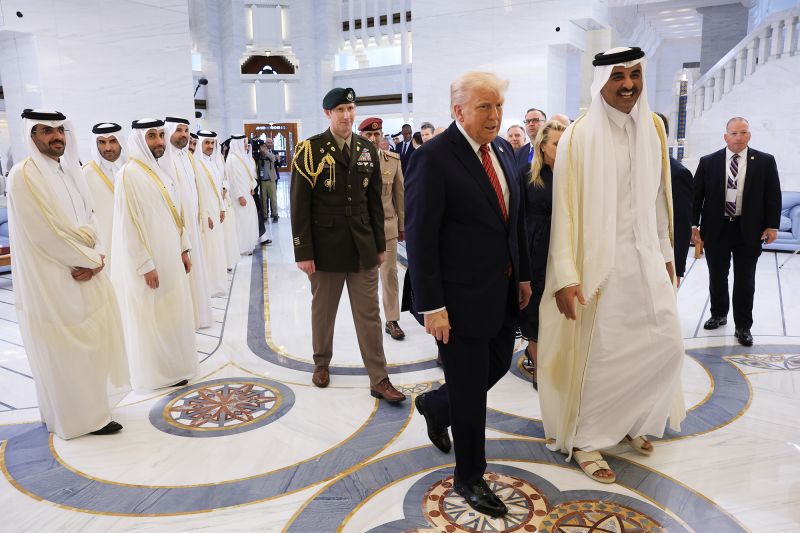
President Donald Trump's escalation in the Middle East has raised growing concerns among some of his prominent supporters, who fear the implications of this move on both domestic and foreign policy. This anxiety comes at a sensitive time as Trump seeks to strengthen his position in the region, raising questions about the impact on his traditional supporter base.
At a conference of conservative activists, several attendees expressed their hesitation regarding Trump's Middle East policy, considering that these steps might exacerbate conditions rather than improve them. Some pointed out that this policy could negatively affect U.S. national security, raising concerns among voters who previously viewed Trump as a reliable choice in this area.
Details of the Event
During the conference, several issues related to U.S. foreign policy were discussed, highlighting recent military movements in the region. Some participants voiced their fears that these actions could escalate existing conflicts, threatening stability in the Middle East and complicating relations with other countries.
The impact of these policies on the upcoming presidential elections was also debated, as many voters questioned Trump's ability to maintain their support amid these developments. Some analysts indicated that these divisions could lead to an erosion of Trump's electoral base, particularly in states that rely on traditional conservative voters.
Background & Context
Historically, U.S. policy towards the Middle East has been complex, characterized by periods of military intervention and peaceful negotiations. Since taking office, Trump’s administration has adopted a more aggressive approach towards Iran, escalating tensions in the region. This approach has drawn criticism from some political circles, who argue that it could lead to counterproductive outcomes.
It is noteworthy that Trump has faced criticism from within his party due to some of his foreign policy decisions, leading to clear divisions among his supporters. These divisions could impact his electoral strategy, especially with the presidential elections approaching.
Impact & Consequences
The repercussions of Trump's Middle East policy extend beyond the United States, affecting international relations and intensifying tensions between countries. The escalation of tensions could provoke reactions from other nations, threatening regional stability. Additionally, these policies may increase divisions within the United States, reflecting a state of political uncertainty.
Moreover, the growing anxiety among Trump supporters may reflect on the outcomes of the upcoming elections, as some voters might seek alternatives. This situation could open the door for other Republican candidates who may present different perspectives on foreign policy.
Regional Significance
For the Arab region, the escalation of tensions in the Middle East could exacerbate existing crises, such as the conflicts in Syria and Yemen. Any U.S. military actions could impact regional security, increasing the suffering of people in these countries. The divisions within Trump's base may also reflect instability in U.S. policy towards the region, complicating matters further.
In conclusion, the question of how these divisions will affect U.S. policy in the Middle East remains open. Upcoming events will determine whether these divisions significantly impact Trump's support in the next elections and whether they will lead to changes in U.S. policy towards the region.