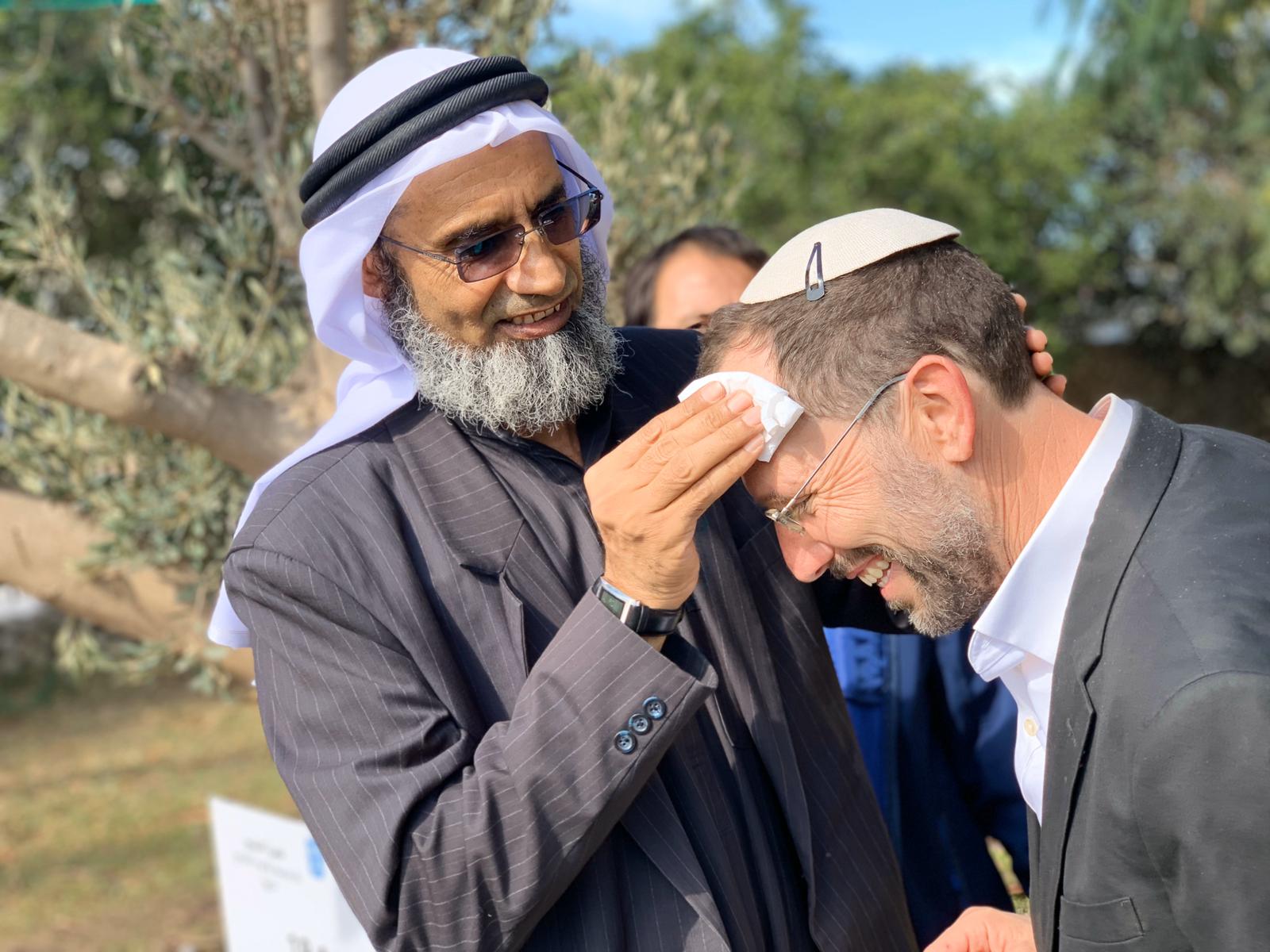
Recent reports indicate that the gap between Jews and Arabs in Israel has widened significantly, with many Jews even unwilling to hear the word "Arabs." This trend reflects the rising social and political tensions in the country and raises questions about the future of relations between different communities.
In recent years, Israel has witnessed a rise in tensions between Jewish and Arab communities, exacerbating divisions. Polls have shown that a large percentage of Jews feel uncomfortable with Arabs, reflecting a growing state of mistrust.
Details of the Situation
According to multiple sources, this gap manifests in various aspects of daily life, from education to the labor market. Studies have shown that Arabs in Israel face discrimination in several areas, increasing their sense of isolation. Conversely, Jews feel threatened by Arabs, which enhances feelings of fear and insecurity.
Recent political events, such as the escalation in the Israeli-Palestinian conflict, have contributed to exacerbating this gap. Many Jews view Arabs as a threat to national security, while Arabs feel targeted by government policies.
Background & Context
Historically, relations between Jews and Arabs in Israel have been complex, experiencing periods of cooperation and peaceful coexistence, as well as times of conflict and tension. Since the establishment of the state in 1948, there have been numerous attempts to promote dialogue and understanding between the two sides, but these efforts have often faced significant obstacles.
In recent years, with the escalation of regional conflicts, tensions have intensified. Reports indicate that many educational programs and community initiatives aimed at fostering understanding between Jews and Arabs have ceased or declined.
Impact & Consequences
The implications of this gap extend beyond community relations to impact internal politics in Israel. As divisions increase, it becomes challenging to make any progress toward peace or understanding. This situation could also affect the stability of the country, potentially leading to increased violence or protests.
Moreover, the growing gap may impact the Israeli economy, as cooperation between different communities is a crucial element in promoting growth and development. If this gap continues, the economy may face greater pressures, affecting all citizens.
Regional Significance
The relations between Jews and Arabs in Israel serve as an indicator of the overall situation in the region. As the gap widens, the likelihood of escalating tensions in neighboring countries increases. This gap also reflects the challenges faced by Arab communities in Israel, which could affect the stability of the region as a whole.
Ultimately, the current situation requires genuine efforts from all parties to promote dialogue and understanding. Without concrete steps toward building trust, the situation will remain unchanged, increasing tensions and complicating the possibility of achieving peace.