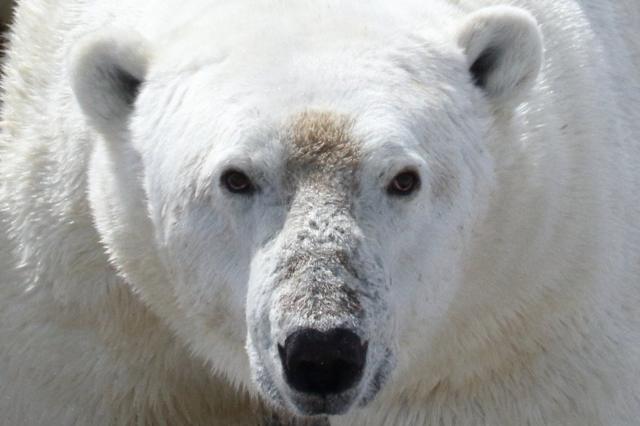
The French Biodiversity Office reported the registration of 108 bears in the Pyrenees in 2025, reflecting the success of conservation and enhancement efforts for this endangered species. However, the office warned that this increase comes with a significant risk of rising levels of inbreeding and declining genetic diversity, which could negatively impact the health of these animals in the long term.
Reports indicate that the bear population in the Pyrenees has seen an increase in recent years, marking an important achievement in conservation efforts for this species. However, mating among a limited number of individuals in this group may lead to serious health issues, such as weakened immunity and increased disease risk.
Event Details
The Pyrenees are home to several rare species, including the brown bear. Bears were introduced to this region in the 1990s as part of a rehabilitation program after they had nearly gone extinct in the area. Over time, their numbers began to rise, giving hope to environmental activists.
However, recent data indicates that the level of inbreeding has increased, raising concerns among scientists. The Biodiversity Office noted that this phenomenon could lead to a deterioration in the health of the bears in the long term, necessitating urgent action to maintain their genetic diversity.
Background & Context
Historically, the brown bear was widespread across much of Europe, but its numbers declined due to overhunting and habitat loss, leading to its extinction in many areas. In the 1990s, efforts began to reintroduce bears to the Pyrenees, with several individuals brought from Slovenia. These efforts aimed to boost bear populations and improve genetic diversity, but challenges remain.
In recent years, biodiversity conservation issues have become increasingly important as the world faces growing environmental challenges. Preserving endangered species like the brown bear is part of global efforts to maintain biodiversity.
Impact & Consequences
The increase in bear numbers in the Pyrenees is a positive sign, but inbreeding poses a real threat. If this phenomenon continues, it could lead to a decline in bear health, which may negatively impact the entire ecosystem. Bears play an important role in the environment, contributing to the regulation of other species and maintaining ecosystem balance.
Moreover, this issue raises questions about how to effectively manage endangered species. It requires new strategies to maintain genetic diversity, such as introducing individuals from other populations to enhance genetic variation.
Regional Significance
Although the brown bear is not a species found in the Arab region, biodiversity conservation issues remain critically important. Many species in the Arab world face similar threats, such as habitat loss and climate change. The lessons learned from bear conservation efforts in the Pyrenees can be applied to threatened species in the Arab region.
In conclusion, biodiversity conservation efforts must be comprehensive and based on strong scientific foundations. The increase in bear numbers in the Pyrenees represents a success, but the challenges they face require immediate action to ensure the future of this species.