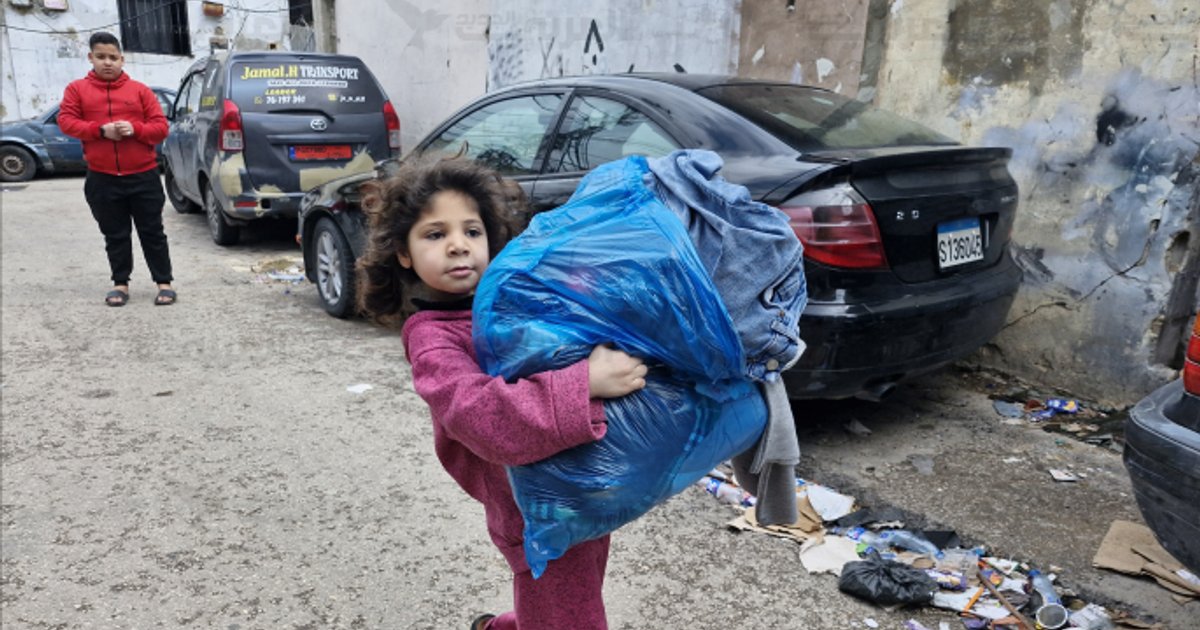
The number of displaced individuals from southern Lebanon to Ain al-Hilweh camp is increasing, with many living in harsh conditions characterized by bitterness and patience. The camp, which is one of the largest Palestinian camps in Lebanon, has become a refuge for many who have fled their homes due to deteriorating security conditions in their areas.
The stories of these displaced individuals are piling up, as they express their daily struggles in facing the challenges of life in the camp. While cramped houses accumulate, so do tales of pain and hope, reflecting a complex humanitarian reality that requires urgent attention from the international community.
Details of the Situation
Reports indicate that the number of displaced persons from southern Lebanon to Ain al-Hilweh camp has doubled in recent months, leading to additional pressure on the limited resources available in the camp. The displaced live in unsuitable conditions, lacking basic services such as clean water and healthcare.
The need for humanitarian assistance is growing, as many suffer from shortages of food and medicine. Local and international NGOs have expressed their readiness to provide support, yet the situation still demands greater efforts to meet the needs of the displaced.
Background & Context
Historically, Lebanon has witnessed waves of displacement due to multiple conflicts, starting from the Lebanese Civil War in the 1970s to the ongoing Syrian conflict. Ain al-Hilweh camp is one of the most prominent camps hosting Palestinian refugees and has witnessed numerous humanitarian crises over the years.
The crises in Lebanon are intertwined, with the country suffering from severe economic and political crises, complicating the situation for the displaced. The challenges faced by the displaced in Ain al-Hilweh camp are not only a result of conflicts but also due to the difficult economic conditions prevailing in Lebanon.
Impact & Consequences
The repercussions of displacement from southern Lebanon to Ain al-Hilweh camp extend beyond humanitarian dimensions, affecting social and political stability in the region. The increasing number of displaced persons may exacerbate security conditions in the camp, negatively impacting relations among various population groups.
Moreover, the deteriorating humanitarian situation may lead to rising tensions between the displaced and host communities, potentially worsening social crises. The instability in the camps can also affect regional security, as these camps are launch points for many security challenges.
Regional Significance
The displacement from southern Lebanon to Ain al-Hilweh camp represents part of a larger crisis affecting the Arab region, where the number of displaced persons and refugees is rising due to ongoing conflicts. These crises impact stability in neighboring countries, necessitating a collective response from Arab nations and the international community.
The situation in Lebanon exemplifies the complex crises facing the region, requiring a comprehensive approach that considers humanitarian, political, and economic dimensions. Supporting the displaced and providing humanitarian aid is essential for maintaining stability in the region.