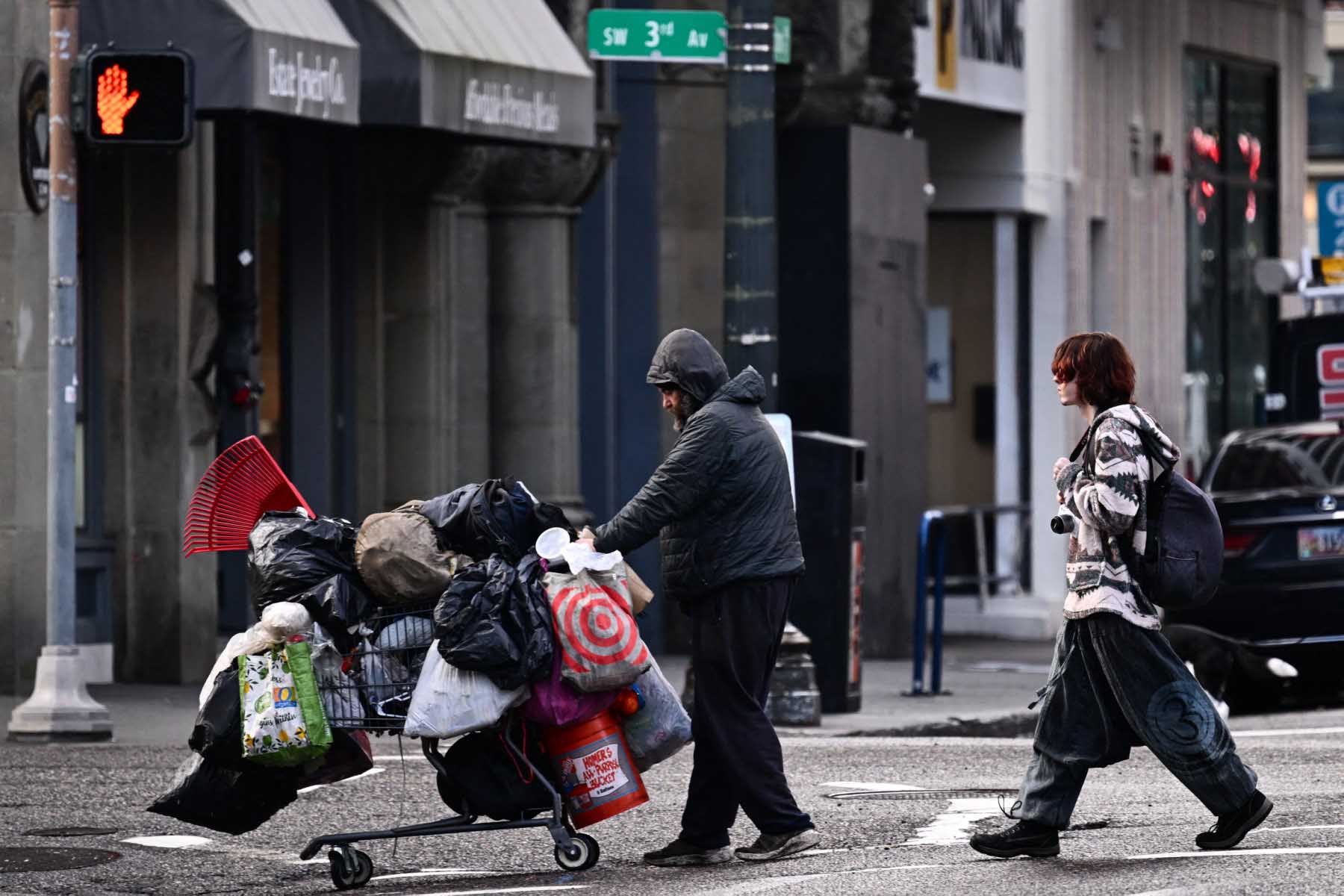
Seniors in the United States are facing increasing challenges related to homelessness, with reports indicating a continuous rise in this demographic's homeless population. In Washington, Friendship Place has managed to offer support and shelter for the most vulnerable seniors, reflecting the vital role of civil society's response to this pressing issue.
Statistics indicate that the number of homeless seniors in the United States has risen alarmingly. Consequently, charitable organizations like Friendship Place are addressing the growing demands by allocating resources to provide temporary shelter and psychological and social support. The organization aims to enhance the quality of life for these individuals by securing housing and additional resources, such as healthcare and social support.
Despite the wealth and advancements of the United States in various areas, the issue of homelessness among seniors echoes deeper problems, including poverty, lack of healthcare, and insufficient social support networks. According to a recent study, many seniors with health issues struggle to secure adequate housing, often leading them to the streets.
History shows that efforts to improve the situation for seniors are not new. Communities have witnessed various ways to support this demographic over the years, but current economic dimensions and seniors' low-income levels complicate the issue. This suffering necessitates urgent action from governments and stakeholders to improve living conditions.
Non-governmental organizations like Friendship Place recognize the importance of preserving seniors' dignity. Based on this principle, these initiatives significantly contribute to fostering a sense of belonging and providing essential support for a decent life. These programs focus on building personal relationships with beneficiaries, helping them overcome the psychological challenges stemming from isolation and loss.
On a global scale, similar cases in several countries, such as Canada and the UK, illustrate how governments can collaborate with civil society organizations to mitigate this phenomenon. The causes of homelessness are manifold and complex, ranging from economic crises to insufficient social support. These cases represent a call to address the root factors leading to these tragic situations and to provide necessary protections for the elderly.
In the Middle East, seniors face similar issues, with increasing social and economic pressures on them. Arab countries need to adopt strategies to protect the elderly, ensuring the provision of basic needs and raising community awareness regarding their suffering. Arab governments must work on developing effective social programs that align with the needs of seniors, ensuring their dignity in a society experiencing significant demographic changes.
Therefore, the experience of Friendship Place in Washington serves as a model, emphasizing the importance of social solidarity and supporting the most vulnerable groups in facing daily challenges. Protecting the rights of seniors is a collective responsibility, requiring ongoing and effective efforts to alleviate suffering and improve their quality of life.