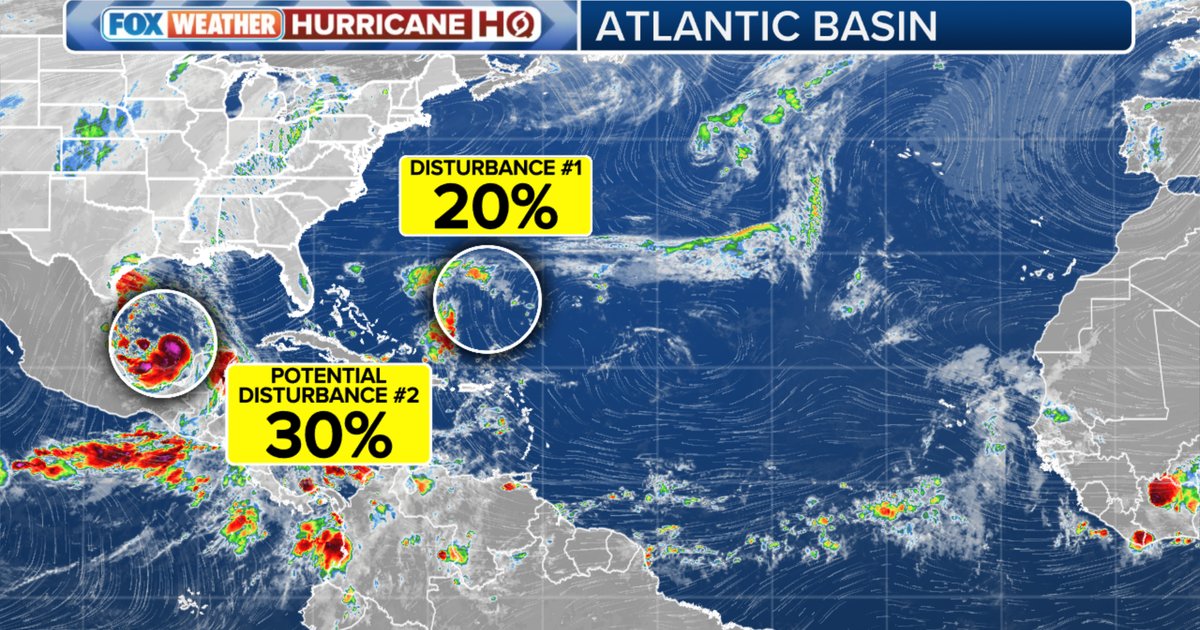
Many regions worldwide are witnessing a significant uptick in hurricane and storm activity, alarming scientists and policymakers. These weather phenomena pose heightened risks to coastal communities at a critical time. According to reports, several hurricanes have been observed in the Atlantic and Pacific Oceans, warning of serious repercussions for the environment and the economy.
Recently, a powerful hurricane has been announced to be striking the coasts of the United States, leading to the evacuation of thousands of residents from at-risk areas. Severe thunderstorms have also been recorded in other regions, increasing concerns about potential damages.
Details of the Event
Reports indicate that the hurricane hitting the American coasts is classified as a Category 4, meaning it carries winds reaching speeds of up to 210 kilometers per hour. Residents have been warned of severe flooding and heavy rains that could lead to landslides. Precautionary measures have been taken in several states, with schools and public facilities being closed.
At the same time, other areas around the world, such as the Caribbean, have seen increased hurricane activity. Scientists have pointed out that these phenomena may be a result of climate changes affecting global weather patterns.
Background & Context
Historically, hurricanes and storms have been part of the natural weather cycle, but in recent years, an increase in their frequency and intensity has been observed. According to the World Meteorological Organization, climate change resulting from human activities, such as carbon emissions, has contributed to the exacerbation of these phenomena.
Hurricanes are among the most dangerous natural disasters, leading to significant human and material losses. In 2020, the United States alone experienced over 30 devastating hurricanes, resulting in estimated losses of billions of dollars.
Impact & Consequences
The repercussions of hurricanes and storms extend beyond material damages, affecting public health and the economy as well. Flooding can lead to disease outbreaks, while damage to infrastructure disrupts essential services such as electricity and water.
Moreover, these phenomena impact food security, as they can destroy agricultural crops. In areas reliant on agriculture, hurricanes can lead to severe food shortages and rising prices, exacerbating the suffering of populations.
Regional Significance
Although the Arab region is not known for frequent hurricanes, climate changes may lead to alterations in weather patterns in the future. Some Arab countries, especially those located on coastlines, may face greater risks due to rising sea levels and increased storm activity.
Arab nations must be prepared to face these challenges by improving infrastructure and enhancing early warning systems, as well as fostering regional cooperation to address the impacts of climate change.