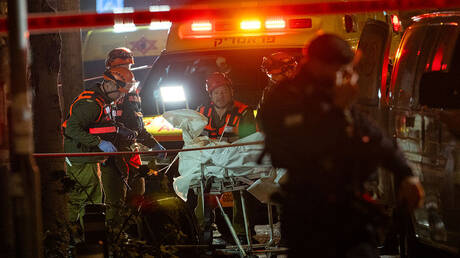
The Israeli Ministry of Health has announced that the number of injured individuals hospitalized since the beginning of 'Operation Lion's Roar' has reached 6131 as of Tuesday morning. This figure reflects the escalating security situation and military operations occurring in the region, which have exacerbated humanitarian and health crises.
These numbers come at a sensitive time, as concerns grow over the impact of the ongoing conflict on civilians, especially with the increase in bombings and attacks in various areas. Israeli health authorities have expressed their worry about the mounting pressure on hospitals, which are facing significant challenges in providing necessary care to the injured.
Details of the Event
'Operation Lion's Roar' began earlier this month, with the Israeli government announcing military operations targeting various sites. These operations have led to a rise in violence, resulting in numerous injuries among civilians. Reports confirm that many of the injured are suffering from serious wounds, further increasing the strain on the healthcare system.
In light of these circumstances, Israeli hospitals are working to accommodate the increasing number of injured, with additional medical units being prepared to handle critical cases. Medical teams from various regions have also been called in to provide the necessary support.
Background & Context
Historically, the region has witnessed numerous armed conflicts that have exacerbated humanitarian conditions. The current conflict is part of a long-standing struggle between Israel and Palestinian factions, which has seen an escalation of hostilities in recent years. Tensions have intensified following a series of political and social events that have affected relations between the two sides.
'Operation Lion's Roar' is seen as the Israeli government's response to increasing security challenges, as it seeks to reinforce its control over disputed areas. However, these military operations often lead to worsening humanitarian conditions, raising concerns within the international community.
Impact & Consequences
The repercussions of the current conflict extend beyond Israeli borders, affecting regional stability as a whole. The rising number of injured indicates an escalation of violence, which may provoke reactions from the international community, including calls for de-escalation and ceasefire. Additionally, deteriorating humanitarian conditions could exacerbate crises in neighboring regions.
These figures serve as a wake-up call for Israeli authorities, as the current situation requires an urgent response to meet the needs of the injured and alleviate the burdens on the healthcare system. The continuation of the conflict may also have negative repercussions on the Israeli economy, necessitating consideration of diplomatic solutions.
Regional Significance
The ongoing events in Israel directly impact neighboring Arab countries, raising concerns about security and stability in the region. Many Arab nations are closely monitoring the situation, as escalations could lead to political and economic repercussions at the regional level.
The persistent conflict also brings to mind the humanitarian crises previously experienced in the region, necessitating greater Arab solidarity to address shared challenges. It is crucial for regional and international efforts to converge to achieve peace and stability in the area.
In conclusion, the situation in Israel and Palestine remains a significant focus, as the increasing humanitarian crises demand an urgent response from the international community. The high numbers of injured reflect a painful reality that requires collective action to achieve lasting peace.