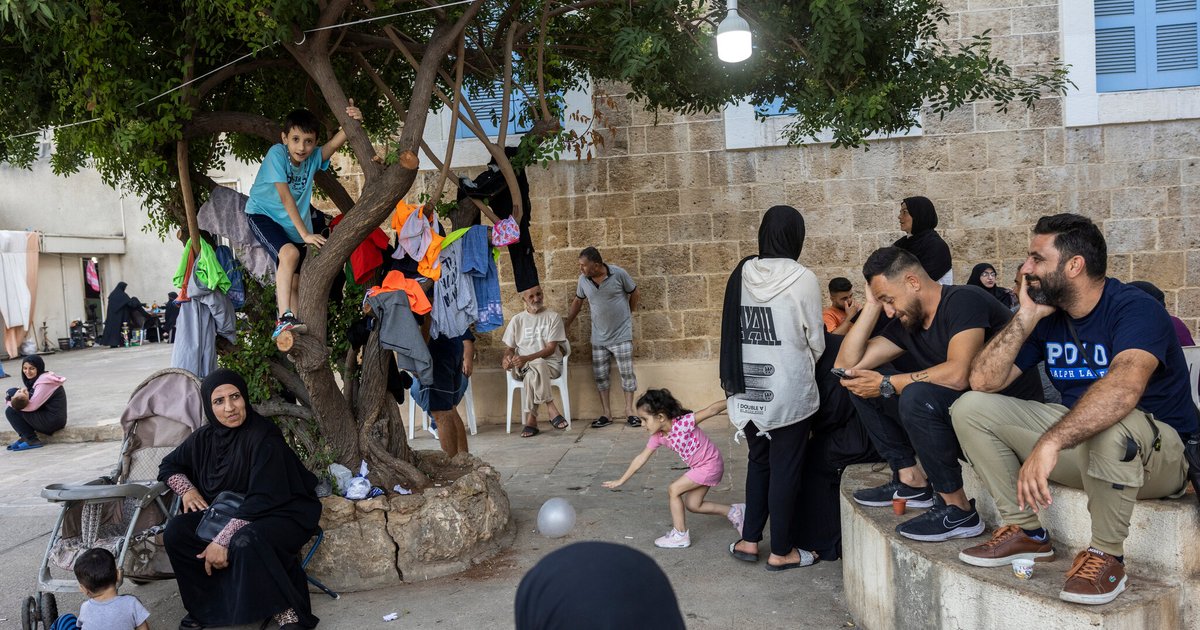
The number of displaced Lebanese in the capital Beirut is rising as the intensity of conflict in the country escalates. Many citizens have sought refuge in shelters in search of safety, prompting urgent international intervention.
Amid the escalating hostilities, heartbreaking images of displaced individuals searching for shelter in the streets of Beirut emerge. Many families, including children and women, find themselves forced to live in difficult conditions, exacerbating their suffering amid the ongoing crises plaguing the country.
Details of the Situation
Reports indicate that the conflict has led to the displacement of thousands of people from their homes, with many heading to urban areas in search of safety. Temporary shelters in Beirut have become overcrowded, putting additional pressure on public services and limited resources. Additionally, many displaced individuals are struggling to access food and water, further worsening the humanitarian situation.
Some reports suggest that the situation in Beirut has become more complex, with humanitarian needs increasing daily. Humanitarian organizations warn that a lack of rapid response could lead to a larger humanitarian disaster, especially with winter approaching.
Background & Context
Lebanon has a long history of political and social conflicts, having suffered from civil wars and multiple struggles. The economic and political crises that have plagued the country since 2019 have exacerbated the situation, leaving many Lebanese living in extreme poverty. The current war represents a new chapter in the series of crises facing Lebanon, complicating matters further.
Many Lebanese feel frustrated with the current situation, as economic conditions have significantly deteriorated, making it impossible for them to meet their basic needs. The ongoing conflict threatens to plunge the country into further chaos, necessitating urgent action from the international community.
Impact & Consequences
The humanitarian repercussions of the conflict in Lebanon will be far-reaching, potentially leading to an increase in the number of refugees in neighboring countries, thereby placing additional pressure on host nations. The situation may also exacerbate economic and social crises in the region, increasing tensions among different communities.
The international community is now called to take urgent steps to support Lebanon, as inaction may worsen the humanitarian conditions. Humanitarian organizations are working to provide aid, but they face significant challenges in reaching those in need due to the deteriorating security situation.
Regional Significance
The Lebanese crisis directly impacts stability in the Arab region, as any escalation in conflict could have negative repercussions for neighboring countries. Many Arab nations are facing their own challenges, and any influx of refugees could increase the pressure on those countries.
Ultimately, Lebanon is in desperate need of international support, as the humanitarian situation requires an urgent response. There is hope that the Lebanese people can overcome this crisis and return to rebuilding their country anew.