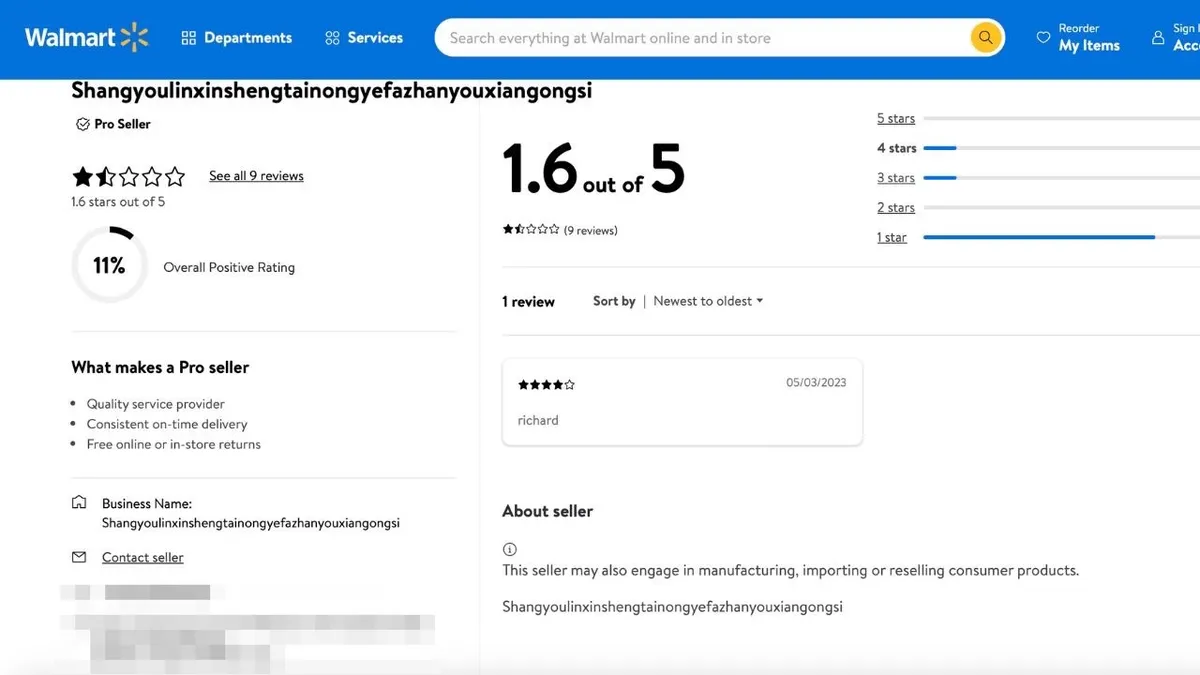
The electronic markets have recently witnessed a concerning phenomenon characterized by the purchase of fake academic papers, which have become easily accessible online. Reports indicate that some websites, such as MAKEMUR.COM, offer these papers without any complications, raising fears about the impact on the job market and the credibility of official documents.
Fake academic papers are a phenomenon that could lead to dire consequences, not only for individuals who use them but also for institutions that may deal with these documents. Such practices can result in a loss of trust in the educational system and the job market, negatively impacting the economy as a whole.
Details of the Phenomenon
Multiple sources have reported an increase in demand for fake academic papers, as some individuals seek these documents for various purposes, including job applications or continuing education. Statistics show that a significant percentage of youth are searching for illegal ways to obtain these papers, reflecting a crisis in the job market and available opportunities.
The prices of these fake papers range from $100 to $500, depending on the type of document and its complexity. Experts confirm that this phenomenon is not new, but it has become more widespread in recent years due to easy internet access and the lack of effective oversight.
Background & Context
The roots of this phenomenon can be traced to several factors, including high unemployment rates and increased competition for jobs. In many Arab countries, youth face difficulties in securing suitable job opportunities, prompting them to seek unconventional solutions. Additionally, some educational institutions may be susceptible to manipulation, facilitating the acquisition of fake papers.
It is noteworthy that some countries have taken steps to combat this phenomenon by enhancing oversight of educational institutions and enforcing strict laws against forgery. However, challenges remain, requiring efforts from all stakeholders, including governments and civil society.
Impact & Consequences
The repercussions of purchasing fake academic papers extend beyond individual dimensions to encompass society as a whole. This phenomenon can lead to an erosion of trust in educational institutions and the job market, negatively affecting economic and social development. Furthermore, the use of these papers may result in job losses for qualified individuals, increasing unemployment rates.
Moreover, the spread of this phenomenon may foster a culture of cheating and manipulation, impacting moral values within society. Consequently, a comprehensive response from governments and society is required to address these challenges.
Regional Significance
In the Arab region, concerns are growing about the impact of this phenomenon on job market stability. Many countries suffer from high unemployment rates, increasing pressure on youth to seek illegal means to secure jobs. The absence of suitable job opportunities drives some individuals to make decisions that could adversely affect their professional futures.
This phenomenon serves as a wake-up call for Arab governments, which must work to improve the work environment and provide genuine opportunities for youth. Additionally, there is a need to raise awareness about the risks of using fake papers and their impact on professional life.
In conclusion, the phenomenon of purchasing fake academic papers represents a significant challenge that requires collective efforts to confront. Governments and civil society must collaborate to develop effective strategies to mitigate these practices and restore trust in educational institutions and the job market.