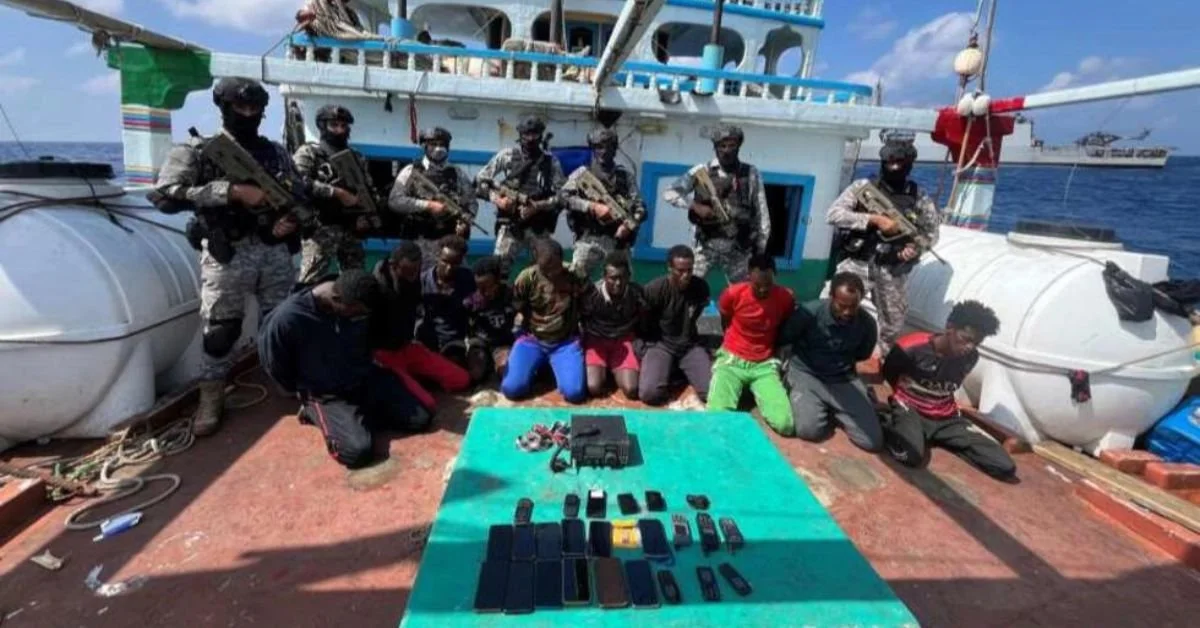
Piracy incidents are on the rise in the waters off the coast of Somalia, alarming the international community. This resurgence recalls the security threats that plagued the region years ago, as there has been a noticeable increase in maritime criminal activities.
Recently, reports have indicated that pirates have targeted commercial vessels in Somali waters, heightening fears of a return to a phenomenon that had declined in previous years. These activities put pressure on maritime security efforts and underscore the need for enhanced international cooperation to combat piracy.
Details of the Incidents
Information indicates that pirates have intercepted commercial ships in an area considered one of the most active maritime zones. Several incidents have been reported over the past weeks, raising concerns among shipping companies and relevant countries. Additionally, these activities raise questions about the Somali government's ability to control the security situation in its territorial waters.
It is noteworthy that piracy had significantly declined since 2012, following international military interventions and improvements in maritime security. However, with the return of these activities, it appears that challenges remain, necessitating urgent action.
Background & Context
Historically, the coasts of Somalia have witnessed significant piracy activity, being regarded as one of the most dangerous areas for maritime navigation. At the height of this phenomenon, there were reports of ships being hijacked and substantial ransoms demanded from shipping companies.
Despite international efforts to combat this phenomenon, including naval patrols and cooperation with the Somali government, the situation remains fragile. The country suffers from political and economic instability, complicating efforts to combat piracy.
Impact & Consequences
The resurgence of piracy affects international trade, as insurance costs for ships traversing these waters increase. Furthermore, these activities may lead to a decline in foreign investments in Somalia, exacerbating the economic burdens on the country.
Moreover, the increase in piracy incidents could heighten tensions among concerned nations, as some may take unilateral actions to address the threats, potentially escalating the situation in the region.
Regional Significance
This phenomenon indirectly impacts Arab countries, especially those reliant on maritime trade. Any threats to maritime security could lead to increased costs and rising prices, affecting the regional economy.
Additionally, the rise in piracy may evoke memories of past security threats, necessitating a reevaluation of maritime security strategies in the region.
In conclusion, the issue of piracy off the coast of Somalia remains a significant challenge that requires ongoing international cooperation. As these activities increase, it becomes essential to bolster security efforts to ensure the safety of maritime navigation.