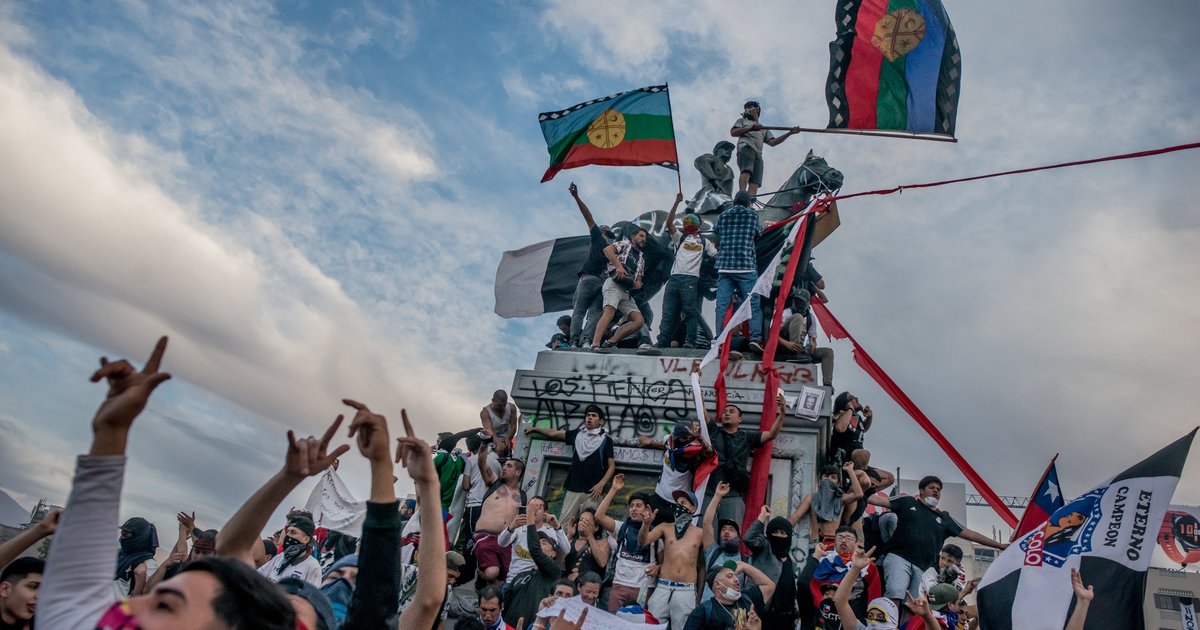
Latin America is witnessing a rise in political events, with many countries experiencing tensions and crises that impact regional stability. From Colombia to Venezuela, protests and popular demands are escalating, raising concerns among governments and international observers.
In Colombia, protests against the government continue due to deteriorating economic conditions, with citizens demanding improved living conditions and job opportunities. Meanwhile, in Venezuela, the political conflict between the government and the opposition persists, exacerbating humanitarian and economic crises.
Details of the Events
In Colombia, thousands have taken to the streets in massive demonstrations, expressing their dissatisfaction with rising unemployment and poverty rates. The Colombian government, facing increasing pressure, has announced plans to improve the economic situation, but protesters are calling for more effective measures.
In Venezuela, the country has seen a rise in political tensions following controversial elections, with the opposition accusing the government of manipulating the results. This situation has led to worsening humanitarian crises, as citizens suffer from severe shortages of food and medicine.
Background & Context
Historically, Latin America has experienced numerous political and economic crises, with governments facing significant challenges in achieving stability. The current crises are not new; they are the result of decades of corruption and economic mismanagement. In Colombia, for example, there have been ongoing conflicts with armed groups, which have affected economic and social development.
In Venezuela, the collapse of oil prices has exacerbated economic conditions, making the country one of the most affected in the region. These crises reflect the structural challenges faced by Latin American countries in their pursuit of sustainable development.
Impact & Consequences
The political events in Latin America significantly affect regional stability. The escalation of protests in Colombia and Venezuela could destabilize neighboring countries, as tensions may spread to others like Ecuador and Peru. Additionally, humanitarian crises could lead to an influx of refugees into neighboring countries, placing further pressure on governments.
Moreover, international reactions to these crises may impact relations between countries. Some nations may seek to intervene or provide support, complicating the situation further. In this context, international organizations play a vital role in attempting to achieve stability.
Regional Significance
The events in Latin America are indirectly related to the Arab region, as political and economic crises can affect trade and investment relations between countries. For instance, crises in Venezuela could influence oil prices, which is significant for oil-producing Arab nations.
Furthermore, political experiences in Latin America may offer lessons for Arab countries, particularly regarding the importance of responding to popular needs and achieving sustainable development. Amid increasing crises, Arab governments must learn from these experiences to avoid repeating the same mistakes.
In conclusion, Latin America is undergoing a critical period of political and economic tensions, necessitating an effective response from governments and the international community. The current crises may impact regional stability, warranting close monitoring by Arab nations and the international community.