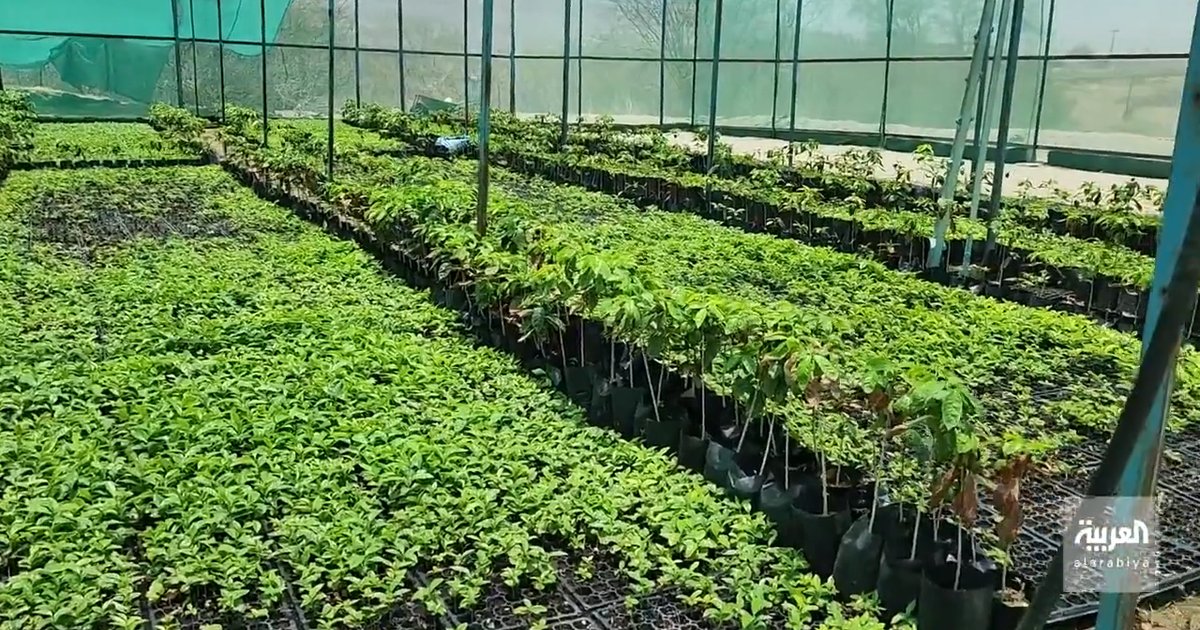
Recently, Medina has witnessed a notable increase in rainfall, which has significantly contributed to a surge in nursery sales. This rise in rainfall is part of the planting season, characterized by positive climatic changes that enhance agricultural activity and open new horizons for farmers.
Nurseries are among the most important sources relied upon by residents in the city to meet their needs for plants and flowers, with shops and nurseries seeing a considerable influx of citizens and residents. Several nursery owners indicated that the demand for plants has increased by more than 30% compared to previous periods.
Details of the Event
With the onset of the planting season, which typically begins in mid-October, the amount of rainfall in Medina increases, contributing to improved soil quality and promoting plant growth. This season is one of the crucial periods for farmers, as it allows them to plant new crops and benefit from the rain for irrigating their produce.
Nursery owners confirmed that the increase in rainfall has contributed to enhancing the quality of the plants on offer, making them healthier and more appealing to buyers. They also noted that this season sees a variety of available species, catering to different tastes.
Background & Context
Historically, the planting season is one of the periods awaited by farmers in Saudi Arabia, as it is associated with increased rainfall that contributes to improving agricultural crops. Medina has experienced significant climatic changes in recent years, affecting farming patterns and nursery sales.
Medina is considered one of the important agricultural regions in the Kingdom, characterized by its environmental diversity and fertile lands. With the increasing awareness of the importance of sustainable agriculture, many farmers are striving to improve their agricultural methods to maximize the use of available natural resources.
Impact & Consequences
The increase in nursery sales due to rainfall reflects the weather's impact on the local economy, as it contributes to boosting commercial activity and creating new job opportunities. This improvement in sales may also enhance the income of farmers and nursery owners, positively affecting the local economy.
On the other hand, this rise in demand for plants may lead to increased competition among nurseries, motivating their owners to improve the quality of products and services offered. This situation may also encourage innovation in agricultural and marketing methods.
Regional Significance
Rainfall during the planting season is an important phenomenon in many Arab countries, affecting agriculture and the economy in general. In countries like Jordan and Palestine, rainfall during this period is vital for agricultural crops, contributing to improving food security in the region.
Moreover, the increasing awareness of the importance of sustainable agriculture in Arab countries may lead to enhanced cooperation among countries in the fields of agriculture and the environment, contributing to achieving sustainable development.
In conclusion, it can be said that the rise in rainfall rates in Medina during the planting season has significantly contributed to boosting nursery sales, reflecting the importance of weather in agricultural and commercial activity. This situation indicates the necessity of focusing on sustainable agriculture and developing farming methods to face future challenges.