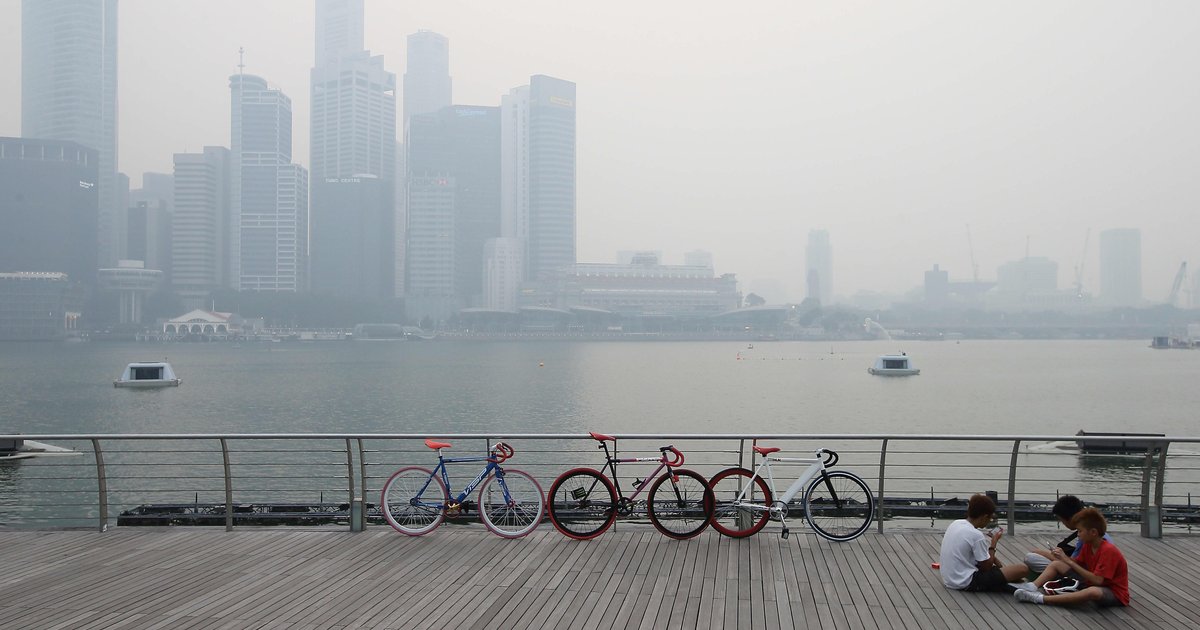
The National Environment Agency of Singapore (NEA) has reported smoke pockets in the eastern part of Johor, Malaysia, where winds have pushed smoke clouds towards Singapore. According to reports, the air pollution index over the past 24 hours has ranged between 56 and 71, placing it within the moderate pollution range.
As of 7 PM on Monday, the NEA confirmed that air pollution levels may fluctuate based on weather conditions, with expected increases in PM2.5 levels in certain areas due to northeastern winds. The agency has advised the public to monitor PM2.5 levels continuously before engaging in any outdoor activities.
Event Details
Concerns are rising in Singapore regarding the impact of smoke from forest fires in Johor, as clinics in Singapore have reported a noticeable increase in haze-related cases over the past three months. Patients have reported respiratory symptoms, as well as issues such as itchy eyes and skin rashes.
This phenomenon is part of a larger issue concerning air pollution in the region, where forest fires in Malaysia and Indonesia recur, affecting air quality in neighboring countries. Singapore is among the most affected nations, frequently exposed to smoke clouds resulting from these fires.
Background & Context
Historically, Southeast Asia has faced numerous environmental crises linked to agricultural fires, where burning is used as a method to clear land for farming. This practice results in the emission of large amounts of smoke and harmful gases, adversely affecting air quality in neighboring countries. This phenomenon has led to political tensions between the involved nations, as neighboring countries accuse Malaysia and Indonesia of not taking sufficient measures to curb these fires.
In recent years, Singapore has taken several steps to address this issue, including improving air quality monitoring systems and raising public awareness about the health risks associated with pollution. However, challenges remain, especially in light of climate change and the ongoing increase in agricultural activity.
Impact & Consequences
The effects of air pollution extend beyond health dimensions, also impacting the local economy. Studies have shown that air pollution can lead to increased healthcare costs, as well as negatively affecting workplace productivity. Additionally, the recurrence of haze can impact tourism, a vital sector in Singapore.
Moreover, the rising incidence of respiratory diseases due to air pollution places additional pressure on the healthcare system, necessitating urgent measures to mitigate these harms. Such measures may require regional cooperation among the involved countries to effectively address this phenomenon.
Regional Significance
Although this crisis is occurring in Southeast Asia, it has significant implications for the Arab region. Climate change and environmental degradation are global issues affecting all nations, including Arab countries. Air pollution is also one of the major challenges facing major Arab cities, where many of these cities suffer from high pollution levels due to industrial activity and transportation.
Therefore, the experiences and lessons learned from Singapore could be beneficial for Arab countries in their efforts to improve air quality and reduce health risks associated with pollution. It is crucial for Arab nations to adopt effective strategies to tackle these challenges, including enhancing regional and international cooperation.