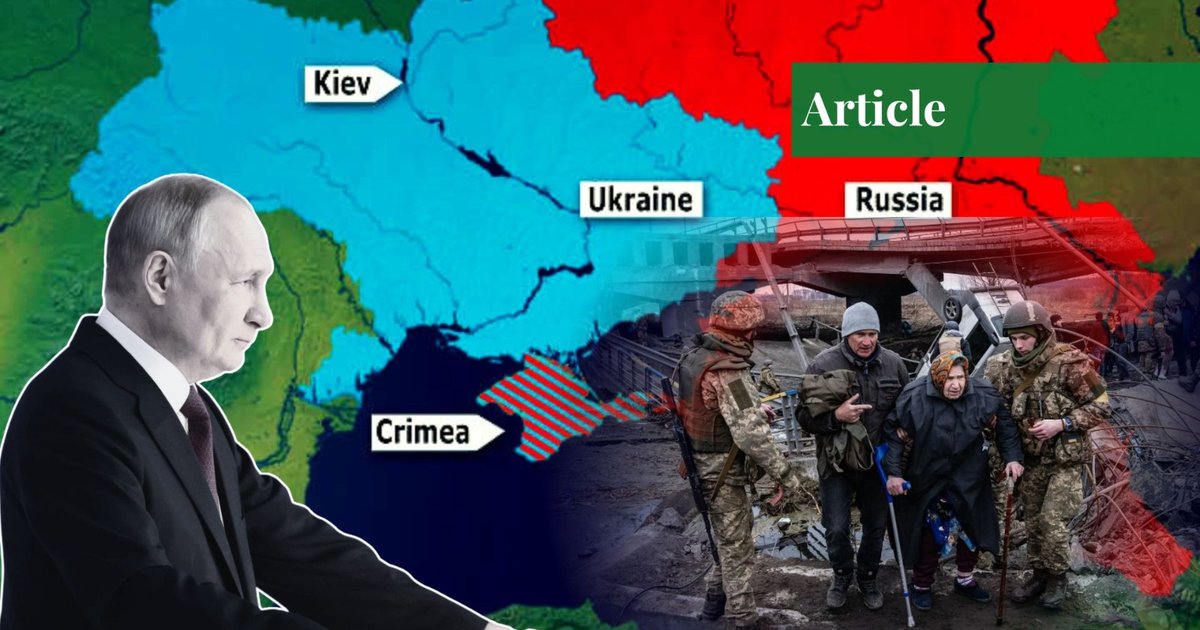
Sovereignty violations are on the rise in contemporary conflicts, raising concerns about their impact on regional security and stability. These violations necessitate an effective international response.
In recent years, the world has witnessed an escalation of armed conflicts that transcend national borders, with external powers intervening in the internal affairs of states. Such interventions often exacerbate humanitarian crises and increase civilian suffering, necessitating a reevaluation of the concept of sovereignty in contemporary contexts.
Details of the Events
Reports indicate that many countries are suffering from repeated violations of their sovereignty, with foreign powers intervening in their internal affairs under various pretexts, such as combating terrorism or supporting democracy. For instance, in regions like the Middle East, powers such as the United States and Russia have intervened in conflicts, leading to a deterioration of security and economic conditions.
These violations also include the use of military force without a mandate from the United Nations, raising concerns within the international community about the legitimacy of such actions. There are also instances of covert intervention, where armed groups or political organizations in other countries are supported, further complicating conflicts.
Context and Background
Historically, national sovereignty has been considered one of the fundamental principles in international relations. However, geopolitical changes in recent decades, such as the emergence of terrorist organizations and ethnic conflicts, have led to a reevaluation of this principle. In many cases, external interventions have been justified as necessary to protect human rights or combat terrorism, raising debates about the legitimacy of these interventions.
Moreover, globalization and modern technology have facilitated the possibility of intervening in the internal affairs of states. Social media, for example, is used to disseminate propaganda and influence public opinion in targeted countries, complicating the situation further.
Consequences and Impact
Sovereignty violations lead to serious repercussions for regional and international security. As external interventions increase, humanitarian crises worsen, and the number of displaced persons and refugees rises, placing additional pressure on neighboring countries. These interventions may also escalate conflicts, making peaceful solutions more difficult to achieve.
Additionally, sovereignty violations affect international relations, as tensions between major powers increase. The competition for influence in conflict zones may lead to new conflicts, threatening international peace and security.
Impact on the Arab Region
In the Arab region, sovereignty violations are clearly manifested in the ongoing conflicts in Syria, Libya, and Yemen. These conflicts have witnessed multiple external interventions, exacerbating humanitarian conditions and increasing civilian suffering. Such interventions have also led to the division of communities and heightened sectarian and ethnic tensions.
These conditions require a response from the international community, where prioritizing the protection of human rights and providing humanitarian assistance to those affected must be emphasized. Arab countries should also seek to enhance cooperation among themselves to face these challenges.
In conclusion, sovereignty violations represent a significant challenge to security and stability in the contemporary world. The international community must take effective steps to ensure respect for national sovereignty and protect human rights by promoting dialogue and cooperation among states.