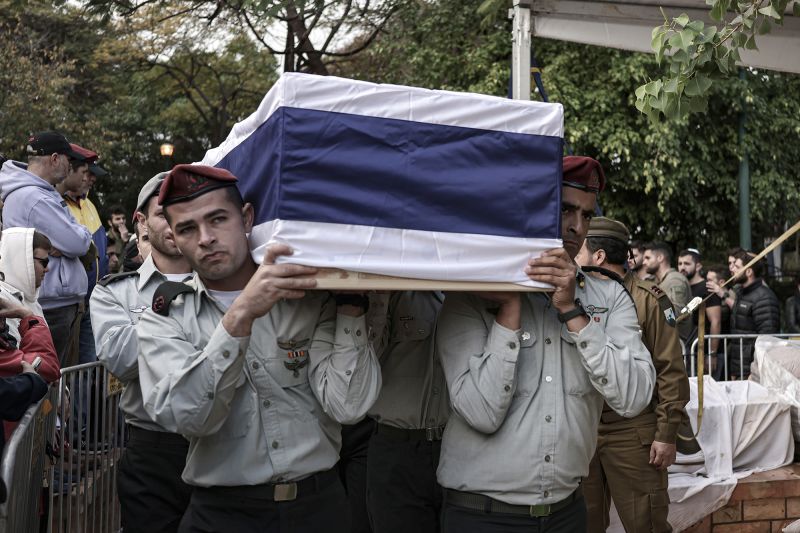
The Israeli Broadcasting Authority has reported that the number of Israeli soldiers killed in southern Lebanon has risen to 6 since the beginning of the war. This rise in casualties comes at a time when violent clashes between Israeli forces and armed groups continue, complicating the security situation in the region.
Concerns are growing over escalating violence in Lebanon, where tensions remain high. Reports indicate that the clashes have resulted in casualties on both sides, reflecting the intensifying nature of the conflict.
Details of the Incident
Information suggests that Israeli forces have carried out extensive military operations in southern Lebanon, targeting sites associated with armed groups. These operations have met with fierce resistance, leading to more Israeli soldier casualties. At the same time, armed groups continue to target Israeli forces, further heightening tensions in the area.
Official statements from both sides indicate that the situation may worsen in the coming days, with warnings increasing about the escalation of the conflict. Military sources have confirmed that military operations will continue until the set objectives are achieved.
Background & Context
Historically, southern Lebanon has witnessed repeated conflicts between Israeli forces and armed groups, particularly Hezbollah. Since Israel's withdrawal from Lebanon in 2000, the region has suffered from ongoing tensions, with both parties exchanging accusations of inciting violence.
In recent years, tensions have escalated due to the political and economic conditions in Lebanon, exacerbating humanitarian crises. These circumstances have contributed to the military activities of armed groups, making the region more susceptible to conflicts.
Impact & Consequences
These developments are expected to significantly impact the security situation in Lebanon, potentially leading to a greater escalation of the conflict. The continuation of military operations may adversely affect civilians, who are already suffering from economic and humanitarian crises.
Moreover, the rising number of Israeli soldier fatalities may exert internal political pressure on the Israeli government, potentially influencing its military strategies in the future. This situation may also provoke international reactions, particularly from nations concerned about security in the region.
Regional Significance
The events in southern Lebanon are part of a broader landscape of tensions in the region, where conflicts in Lebanon affect relations between Arab states. These developments could lead to increased divisions among various factions in the area, complicating peace efforts.
Furthermore, the ongoing conflict may result in severe humanitarian repercussions, as civilians bear the brunt of the fallout from the conflict. Under these circumstances, there is an increasing need for diplomatic efforts to resolve disputes and achieve stability in the region.
In conclusion, the situation in southern Lebanon remains tense, with clashes and military operations continuing. It requires close monitoring by the international community, as any escalation could have serious implications for regional security.