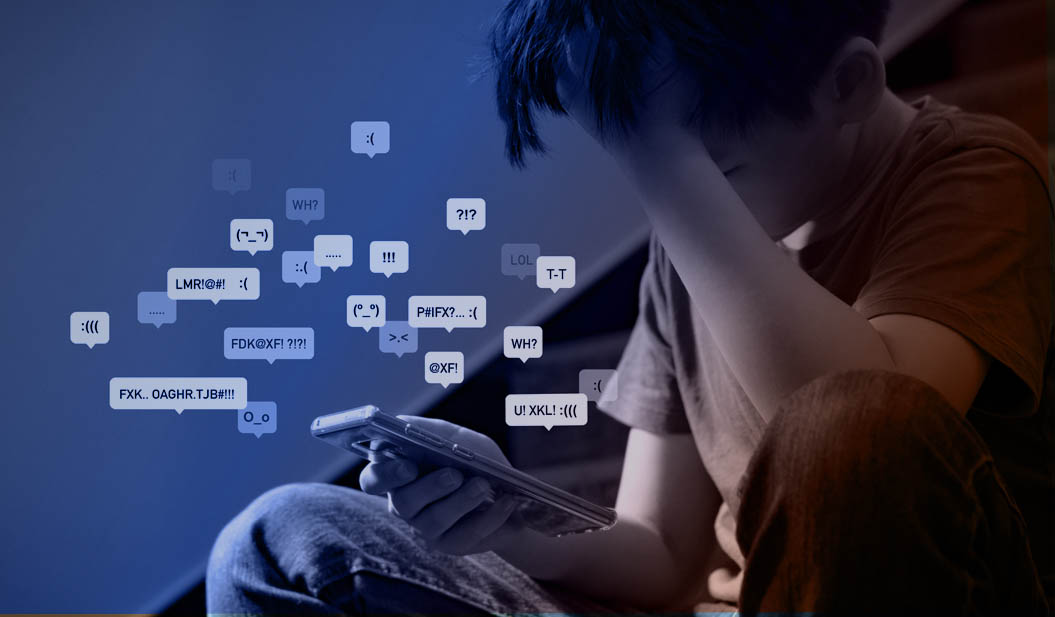
Legal and legislative pressures are rising in many countries to protect youth from the dangers posed by social media. This comes amid growing concerns about the impact of these platforms on the mental health of teenagers. Studies have shown that excessive use of these platforms can lead to issues such as depression and anxiety, prompting governments to take concrete steps to protect vulnerable groups.
In recent years, many countries, including the United States and Canada, have witnessed increasing calls for strict legislation aimed at regulating social media use. Many lawmakers have pointed out the necessity of curbing harmful content that can negatively affect youth, such as cyberbullying and inappropriate material.
Details of the Legislative Push
These legal pressures include proposals to impose restrictions on advertisements targeted at children and teenagers, as well as enhancing transparency regarding how data is collected and used. Mechanisms for monitoring content and defining the legal responsibilities of platforms in the event of user harm have also been suggested.
For instance, in the United States, bills have been introduced in several states aimed at protecting children from the risks associated with social media. Lawmakers have indicated that these steps are essential to ensure the safety of youth in an increasingly complex digital environment.
Background & Context
The roots of concern regarding the impact of social media on youth date back to the early years of these platforms' emergence. Research has shown that teenagers who spend excessive time online experience higher levels of depression and anxiety. There is also evidence suggesting that continuous exposure to negative content can affect self-image and self-esteem among youth.
In recent years, calls for legal action have intensified, as some studies indicate that teenagers who excessively use social media are more likely to develop psychological issues. This has led to increased pressure on governments to implement policies aimed at protecting vulnerable groups.
Impact & Consequences
If these legislations are enacted, they could have a significant impact on how youth use social media. Restrictions on advertising and content are likely to reduce exposure to harmful material, potentially contributing to improved mental health among teenagers. However, lawmakers may face challenges in enforcing these laws, especially given the global nature of the internet.
Moreover, these laws could lead to changes in how tech companies operate, as they will need to adjust their policies and strategies to meet new requirements. This may affect the business models of these companies, making them more cautious in how they target users.
Regional Significance
In the Arab region, social media continues to play a significant role in the lives of youth. With the increasing use of these platforms, there is a pressing need to take similar steps to protect youth from potential risks. There may be a need to develop national policies aimed at raising awareness about the safe use of social media, in addition to providing psychological support for teenagers suffering from negative effects.
Ultimately, the increasing legal pressure to protect youth from the dangers of social media represents an important step towards enhancing digital safety. However, it requires a delicate balance between protecting users and ensuring freedom of expression, a challenge faced by many lawmakers worldwide.