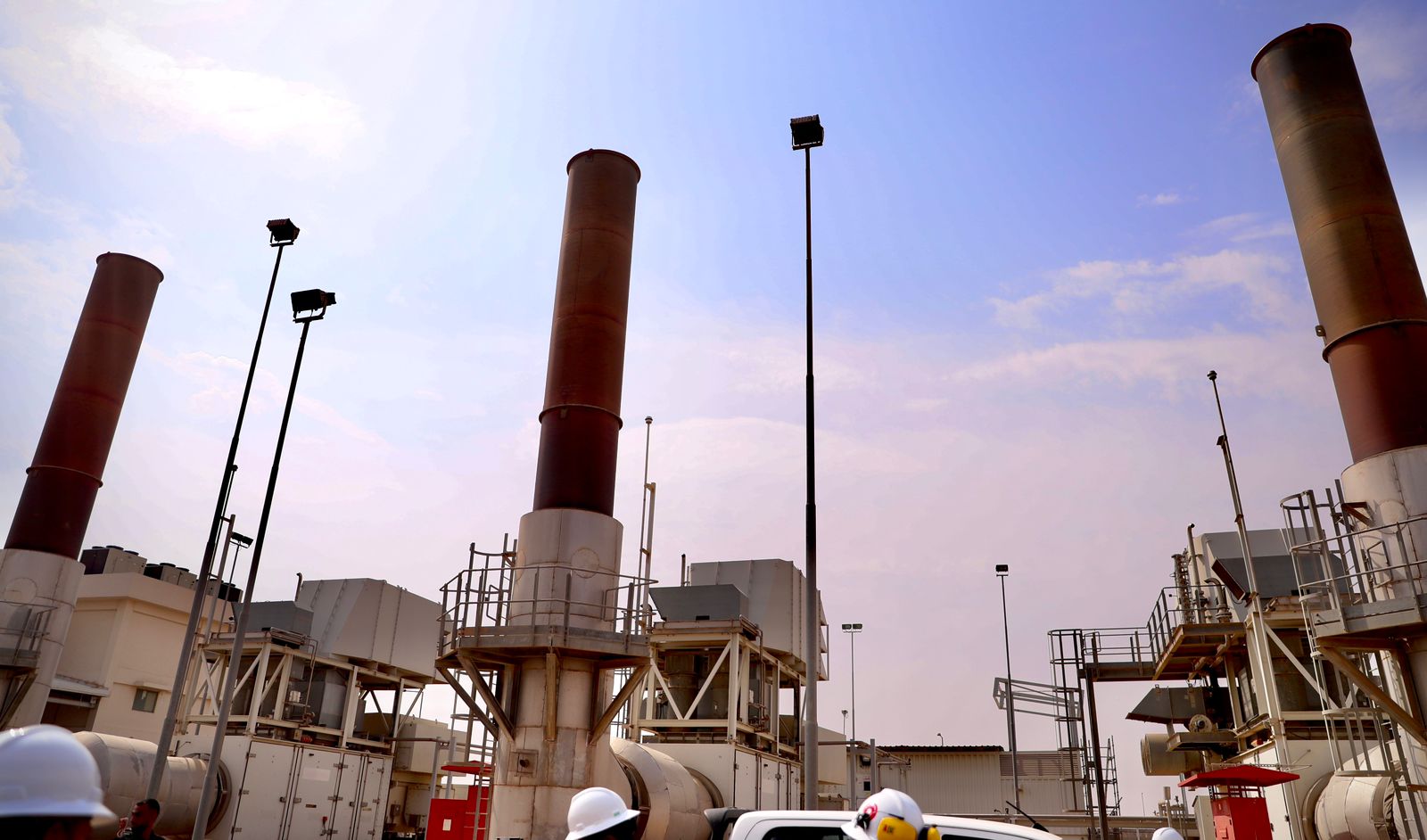
The Jordanian Minister of Energy and Mineral Resources announced a strategic plan aimed at drilling 80 new wells at the Risha field, which will help increase natural gas production to 418 million cubic feet daily by 2029. This initiative is part of the government's efforts to enhance energy security and meet local market demands.
The Risha field is one of the most significant gas fields in Jordan, contributing significantly to meeting the growing energy demand. The minister noted that these plans come at a time when the world is shifting towards renewable energy sources, yet natural gas remains a crucial part of Jordan's energy mix.
Details of the Initiative
During a press conference, the minister confirmed that drilling of the new wells would commence soon, and the government is working to provide all necessary resources to ensure the success of this project. He also mentioned that this initiative will create new job opportunities and boost the local economy.
It is expected that the increase in production will reduce reliance on gas imports, thereby enhancing Jordan's ability to achieve energy self-sufficiency. Additionally, this project aligns with the government's vision to expand the energy base and improve efficiency in its use.
Background & Context
Over the years, Jordan has faced significant challenges in the energy sector, heavily relying on gas imports from neighboring countries. With the rising energy demand, it has become essential to seek new sources to meet market needs.
The Risha field, located in eastern Jordan, is rich in natural gas and was discovered in the 1970s. Since then, the country has seen several attempts to develop this field and increase its production, but economic and political challenges have hindered these efforts.
Impact & Consequences
Increasing gas production from the Risha field will positively impact the Jordanian economy, as it will reduce energy costs and increase investments in this sector. Furthermore, this project could enhance economic relations with neighboring countries, especially given the increasing energy needs in the region.
Moreover, boosting natural gas production will help Jordan achieve its sustainable energy goals, as gas can serve as a bridge to renewable energy sources in the future.
Regional Significance
Amid the economic challenges facing many Arab countries, projects like the Risha field serve as a model for achieving energy self-sufficiency. Additionally, enhancing natural gas production could contribute to stabilizing prices in the regional market.
In conclusion, these plans represent an important step towards achieving energy security in Jordan, reflecting the government's commitment to meeting citizens' needs and strengthening the national economy.