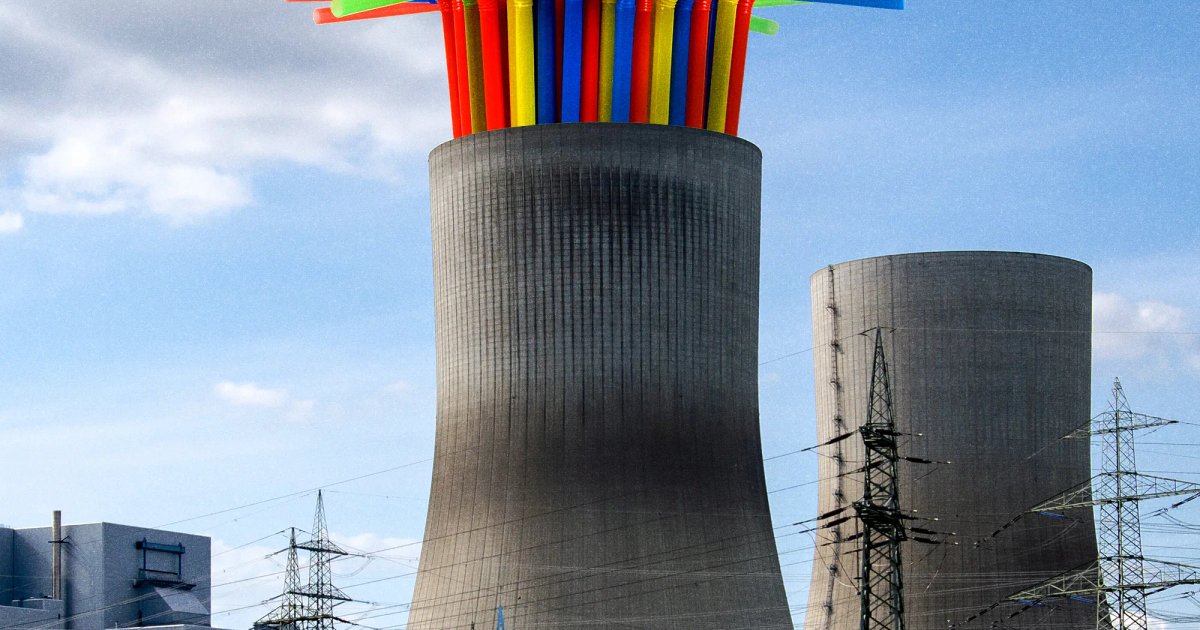
Europe is experiencing an accelerated competition to launch new data centers amid a surging demand for computational power dedicated to artificial intelligence. However, the significant challenge lies in energy, particularly the ability to transmit it to suitable locations.
Although the European continent is on track to generate enough energy, energy experts assert that network operators generally lack the necessary infrastructure to transport this energy to the areas that need it. This shortfall hinders the capability to connect a large number of new data centers and threatens to increase the risk of power outages.
Event Details
Estimates indicate that the national electricity grid in England and Wales is awaiting approvals to connect data centers consuming more than 30 gigawatts of power, which is equivalent to two-thirds of peak demand in the UK. While some of these centers may not be built, there is not enough capacity to accommodate the current demand level.
This waiting for operational permits has led to the collapse of some data center projects, jeopardizing Europe's ambitions to capture a share of the hundreds of billions of dollars spent by artificial intelligence labs. According to Taco Engelaar, the general manager of NERA, which focuses on network optimization, many projects across Europe have been cancelled due to a lack of network access.
Background & Context
With the onset of increasing reliance on digital sources and artificial intelligence, the need for more data centers has become urgent. The UK government has declared these centers to be vital national infrastructure, making the rising demand obvious. As highlighted by Steve Smith, head of investment at the electricity network, the forecasts for electrical interconnections have exceeded all previous expectations, with the number of applications significantly doubling.
However, constructing new wiring for energy generation presents a substantial challenge, requiring a timeframe of seven to fourteen years, especially with issues related to planning, legal disputes, and logistical barriers.
Impact & Consequences
Network operators are vigorously seeking solutions to effectively expand the network. Among the proposed options is the use of the Dynamic Line Rating (DLR) system, where the amount of energy directed through the wires is adjusted based on local weather conditions. This technique demonstrates the possibility of increasing efficiency without the need for new infrastructure, thereby opening the pathway for more centers to connect their energy.
However, utilizing these technologies requires several adjustments to current systems to allow for the quick connection of new data centers. The role of Ofgem, the regulatory body for energy in the UK, is highlighted as it works on reforms aimed at speeding up the process of connecting data centers and achieving energy goals.
Regional Significance
These challenges underscore the necessity of considering how to develop energy infrastructure in the Arab world, where the demand for energy is increasing alongside the flourishing technology sector and digital transformation. Arab countries are increasingly focusing on renewable energy sources, but they require the necessary infrastructure to efficiently transmit this energy. This could contribute to attracting investments and achieving energy stability in a region where the artificial intelligence industry is rapidly growing.
Ultimately, energy infrastructure remains a fundamental element in addressing future challenges, and countries must learn from lessons learned in Europe to achieve energy stability and sustainability.