President Donald Trump's administration faces mounting pressures due to escalating military tensions in various regions worldwide, placing him in a precarious position before voters and lawmakers. These challenges arise as Trump seeks to strengthen his position ahead of the upcoming presidential elections.
The crises confronting the U.S. administration are numerous, ranging from conflicts in the Middle East to tensions with China and Russia. Polls indicate that voters are concerned about Trump's ability to manage these crises effectively, increasing the pressure on him.
Details of the Situation
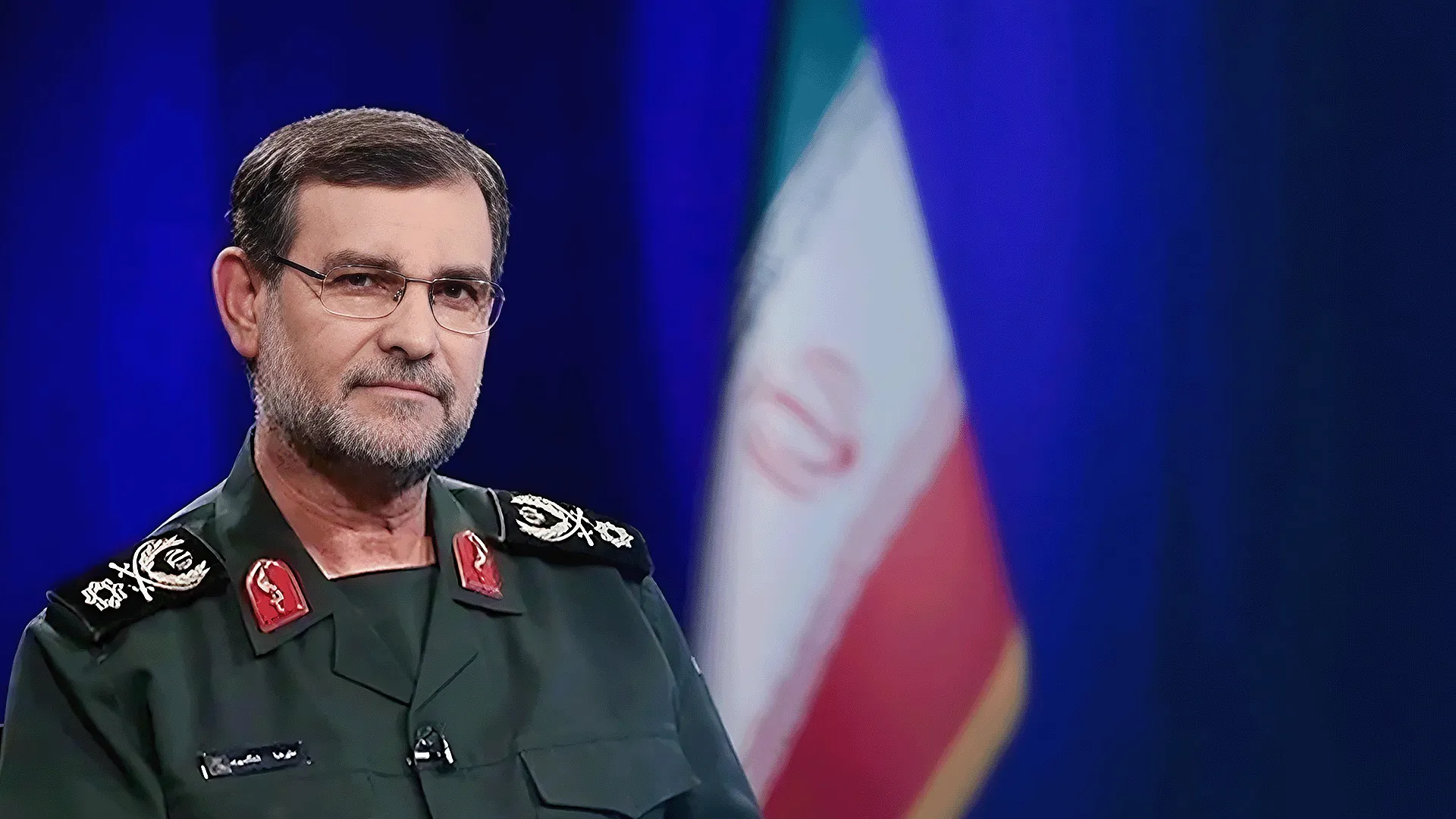
In recent weeks, the intensity of conflicts has escalated in areas such as the Middle East, where clashes between Iranian and U.S. forces are on the rise. Additionally, the situation in Ukraine remains tense, with Russia continuing to bolster its military presence in the region. These events place Trump in a difficult position, as he needs to make swift and decisive decisions.
Moreover, the Trump administration faces increasing criticism from Democrats, who accuse him of failing to take sufficient steps to protect U.S. interests abroad. Some lawmakers have called for stricter actions against Iran and Russia, further increasing the pressure on Trump to make potentially unpopular decisions.
Background & Context
Since taking office, Trump has faced numerous military and political challenges. In 2017, Trump decided to withdraw U.S. forces from the nuclear agreement with Iran, leading to heightened tensions between the two countries. His decisions regarding support for Ukraine against Russian aggression have also sparked significant controversy within political circles.
Historically, the United States has played a key role in managing international crises, but under Trump's administration, this dynamic has shifted. The focus has increasingly turned to domestic issues, impacting the U.S.'s ability to influence global events.
Impact & Consequences
The repercussions of these pressures extend beyond domestic politics, as they could affect U.S. relations with its allies. If the situation continues as it is, the United States may find itself isolated from its traditional allies, exacerbating international crises.
Additionally, these pressures could impact the U.S. economy, as any military escalation may lead to an increase in oil and commodity prices, negatively affecting the domestic economy. Under these circumstances, Trump needs effective strategies to address these challenges.
Regional Significance
For the Arab region, the escalation of military tensions could worsen existing crises. The conflicts in Syria and Yemen may be directly influenced by U.S. decisions, increasing the suffering of civilians in these areas.
Furthermore, any military escalation could lead to rising oil prices, affecting the economies of Arab countries that heavily rely on oil revenues. Thus, the region is closely monitoring developments in the United States and their impact on regional conditions.
In conclusion, Trump faces significant challenges amid rising military and political pressures. His administration needs to make strategic decisions to ensure the stability of the country and its international relations, especially with the presidential elections approaching.