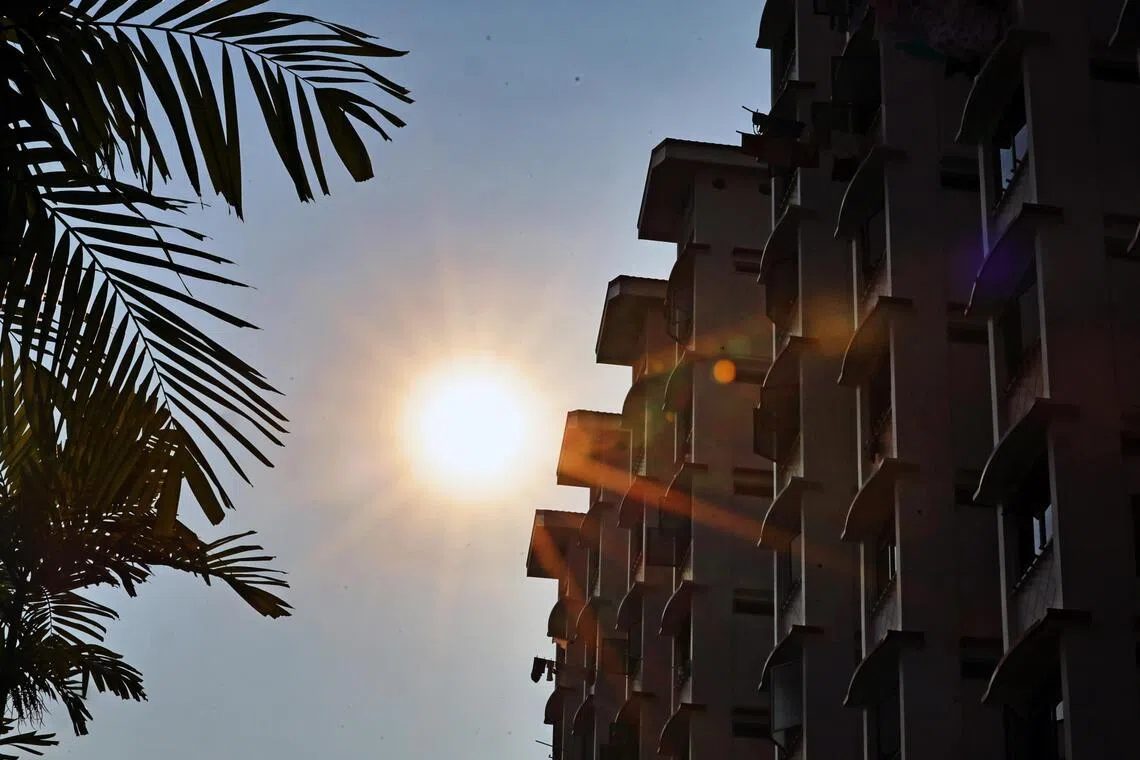
Reports indicate that Singapore will experience an increased risk of haze from June to October due to the effects of the El Niño phenomenon and the Indian Ocean Dipole. These climatic phenomena will lead to higher temperatures and greater dryness in the region, potentially impacting the daily lives of residents.
The meteorological forecasts predict that temperatures will be above normal, increasing the likelihood of haze. This situation could negatively affect air quality and heighten health risks for the population, especially for those suffering from respiratory issues.
Event Details
The El Niño phenomenon is a well-known climatic event that affects weather patterns worldwide. In the case of Singapore, the impact of El Niño causes rising temperatures and greater dryness, leading to an increased risk of haze. Additionally, the Indian Ocean Dipole, which influences the climate in the region, exacerbates these conditions.
In recent years, Singapore has experienced episodes of haze due to fires in neighboring areas, resulting in deteriorated air quality. As summer approaches, concerns about the recurrence of this phenomenon are rising, prompting authorities to take preventive measures.
Background & Context
Historically, Singapore has been susceptible to the impacts of changing climate, having experienced haze episodes in previous years. In 2015, for example, the country witnessed record levels of haze, prompting the government to take stringent actions to address this issue. These phenomena are a result of climate change affecting the entire globe, making it essential for countries to adopt effective strategies to adapt to these changes.
Concerns are growing that climate change will exacerbate these phenomena, necessitating a global response from nations to tackle these challenges. Cooperation among countries in research and development is vital to address the impacts of climate change.
Impact & Consequences
The increase in temperatures and dryness could have negative effects on agriculture and water resources in Singapore. Crop yields may be affected, impacting the country's food security. Furthermore, the deterioration of air quality resulting from haze could lead to an increase in respiratory illnesses, placing an additional burden on the healthcare system.
These conditions require a swift response from the government, including raising public awareness about the health risks associated with haze. There should be clear emergency plans in place to address any deterioration in air quality, along with providing necessary information to citizens on how to protect themselves.
Regional Significance
Although Singapore is located far from the Arab region, the effects of climate change know no borders. Changing climatic conditions in Singapore could affect the prices of essential commodities in global markets, which may reflect on Arab countries that rely on imports.
The Arab region is also vulnerable to climate change, facing similar challenges such as rising temperatures and drought. Therefore, cooperation between Arab countries and others in addressing climate change is essential to ensure a sustainable future.
The climatic changes being witnessed in Singapore due to the El Niño phenomenon and the Indian Ocean Dipole highlight the urgent need for action to address these challenges. Countries must collaborate to confront the impacts of climate change, as the future depends on effective and comprehensive responses.