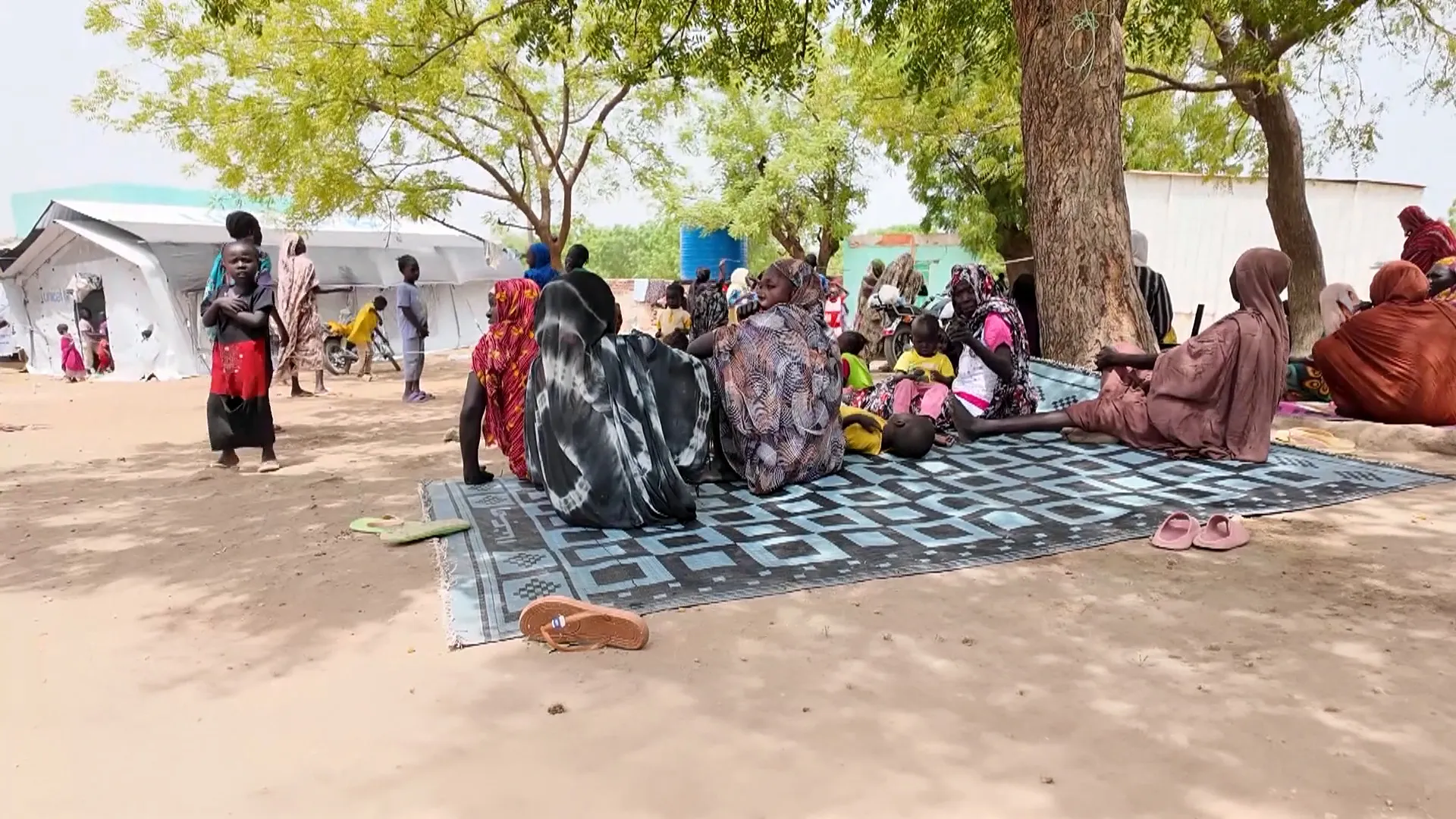
The humanitarian situation in Sudan's displacement camps is worsening, as thousands of displaced individuals have streamed into the outskirts of Al-Rusairis, fleeing from the Qaisan region of Blue Nile State. This displacement is driven by fears of the Rapid Support Forces invading residential areas, exacerbating the humanitarian crises in the region.
The displaced are facing extremely difficult living conditions, requiring all types of humanitarian aid, including shelter, food, water, and medicine. Many families have lost their homes and possessions, increasing their suffering amid a lack of adequate support from relevant authorities.
Details of the Event
The number of displaced individuals is rising daily, with reports indicating a significant deterioration in the security situation in Qaisan in recent weeks. This deterioration has prompted many families to decide to flee to safer areas, despite the risks they may encounter during their journey.
There are growing fears of disease outbreaks among the displaced due to a lack of healthcare and basic resources. Additionally, the harsh climatic conditions in the region further complicate the situation, necessitating urgent interventions from humanitarian organizations.
Background & Context
Historically, Blue Nile State has witnessed multiple conflicts that have led to mass displacement of populations. The ongoing clashes between government forces and armed groups have contributed to worsening humanitarian crises, making the region one of the most affected by conflicts in Sudan.
The Qaisan region is considered strategic, as it intertwines political and economic interests. The ongoing disputes in this area reflect the ethnic and political tensions that Sudan faces as a whole.
Impact & Consequences
The humanitarian situation in the displacement camps affects regional stability, as the increasing number of displaced individuals may lead to humanitarian crises spilling over into neighboring countries. Furthermore, this situation could contribute to heightened tensions between local communities and the displaced, complicating the circumstances even further.
These crises require a swift response from the international community, as delays in providing assistance could exacerbate the situation. Humanitarian organizations need greater support to meet the needs of the displaced and provide necessary aid.
Regional Significance
The humanitarian crises in Sudan are part of a broader picture of challenges facing the Arab region. The ongoing conflicts in Sudan may impact security and stability in neighboring countries, necessitating greater international attention.
Moreover, the situation in Sudan reflects the challenges many Arab countries face in terms of human rights and sustainable development. It is crucial for Arab nations to collaborate in addressing these crises and achieving stability in the region.
The humanitarian situation in Sudan's displacement camps requires urgent international response, as the increasing suffering could lead to worsening crises in the region. It is essential to provide the necessary support to the displaced to ensure their human rights are upheld.