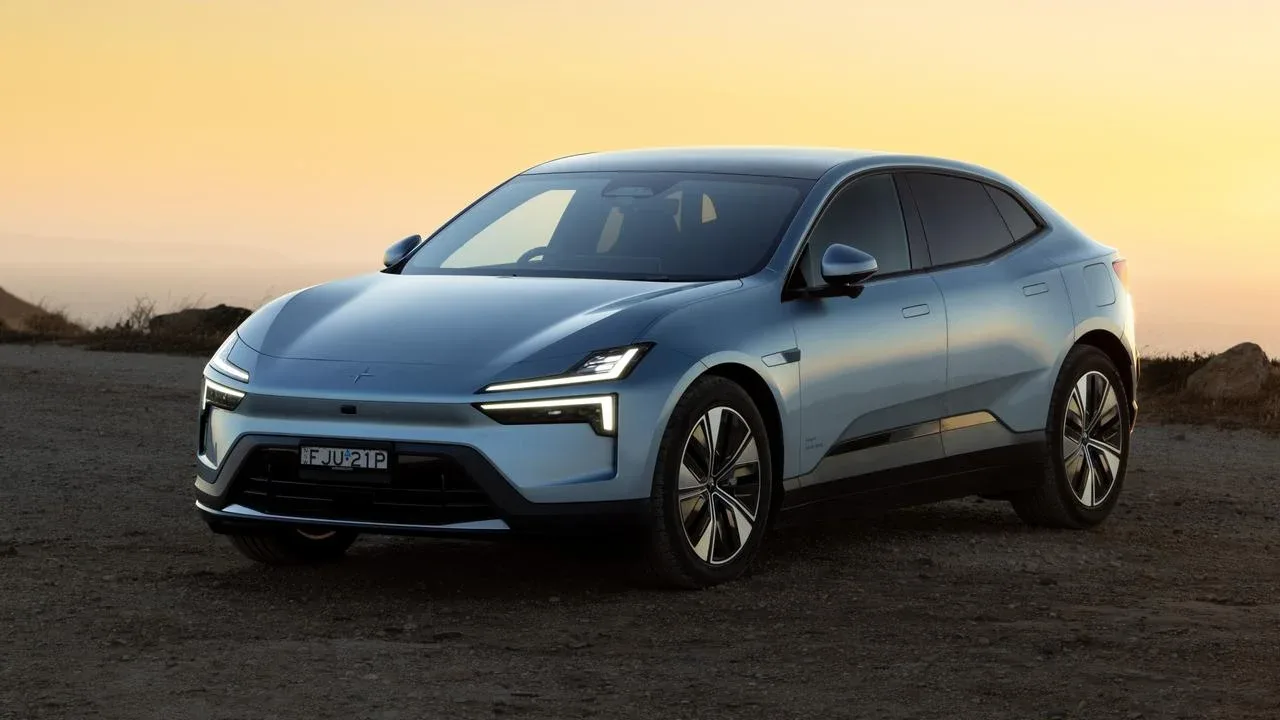
Polestar, the Swedish automotive company, has revolutionized car design with the introduction of its new electric vehicle, the Polestar 4, which eliminates the rear window in favor of a digital camera. This daring decision reflects a new trend in the automotive industry, prompting questions about drivers' trust in digital technology compared to traditional design.
The idea behind removing the rear window is to enhance the car's aerodynamics, contributing to improved battery efficiency. According to technical reports, the new design aims to reduce air resistance, thereby increasing the vehicle's range and making it more energy-efficient.
Event Details
Through this design, Polestar aims to redefine the concept of comfort inside the vehicle. The removal of the rear window has allowed for a sleek, low roof design, which increases headroom for rear-seat passengers. Instead of a traditional mirror, it has been replaced with a high-definition camera that provides a wider rear view, assisting the driver in navigating around conventional obstacles like headrests.
However, field reviews have revealed challenges related to the driving experience. Studies have shown that using the digital camera may cause eye strain, especially when quickly transitioning between monitoring the road and focusing on the screen. This issue may be more pronounced for drivers over the age of fifty, as visibility becomes more difficult in low-light conditions.
Background & Context
Historically, the automotive industry has relied on glass as a fundamental design element, but Polestar is challenging this norm. The shift towards utilizing digital technology in car design reflects a broader trend towards innovation in this sector. Many other companies may follow this trend, potentially leading to radical changes in how cars are designed in the future.
Polestar faces additional challenges related to operational efficiency. Experiments have shown that battery performance is negatively affected in harsh weather conditions, with the vehicle recording a significantly lower range than the officially announced range. Additionally, weather conditions such as fog and rain impact the performance of the digital camera, necessitating manual lens cleaning to restore visibility.
Impact & Consequences
These innovations in car design represent a step towards the future, but their success hinges on companies' ability to address the associated challenges. If Polestar can demonstrate the effectiveness of digital cameras in adverse conditions, it may pave the way for a revolution in car design.
Moreover, these innovations could influence consumer behavior, as it may take time for drivers to adapt to the idea of replacing the traditional mirror with a digital screen. This change could alter how drivers think about car design and their needs.
Regional Significance
In the Arab region, this development could have a significant impact on the electric vehicle market. With increasing interest in sustainability and modern technologies, Arab companies may find themselves compelled to adopt these innovations to keep pace with global competition.
The transition to electric vehicles may also contribute to reducing reliance on fossil fuels, thereby enhancing the efforts of Arab countries to achieve sustainable development goals.