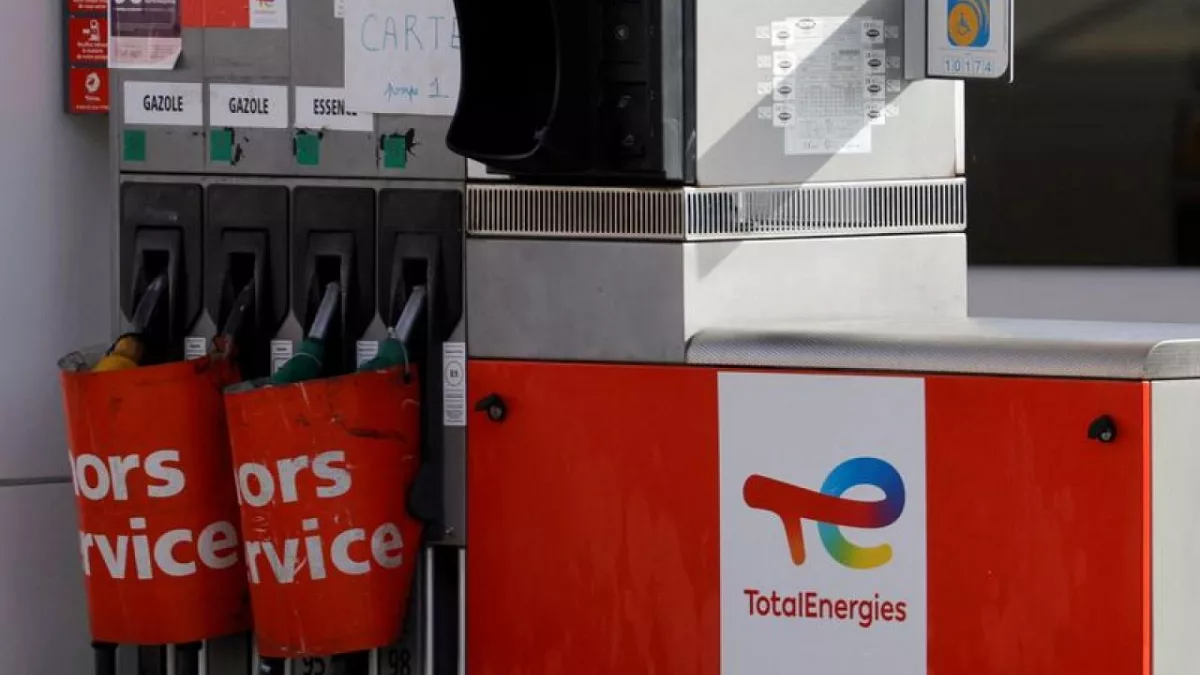
TotalEnergies, the French energy company, has announced an increase in production at its Gonfreville refinery, aiming to protect the French market from any external shocks that could impact fuel supplies. The refinery is currently operating at full capacity to meet the growing demand for fuel, amidst the challenging economic conditions faced by global energy markets.
This move comes at a time when many countries are experiencing energy supply shortages, highlighting the importance of securing local fuel sources. TotalEnergies has confirmed that it is working to enhance its production to ensure stability in the French market, which heavily relies on this refinery to meet its fuel needs.
Details of the Initiative
The Gonfreville refinery is one of the largest in France, playing a vital role in supplying the local market with fuel. The refinery has been operating at its full production capacity in an effort to meet the increasing demand, particularly in light of the disruptions in global energy markets due to geopolitical crises and climate changes.
TotalEnergies aims to boost its production capacity at this refinery, focusing on improving operational efficiency and reducing costs. This aligns with its overall strategy to strengthen its position in the French market and ensure the sustainability of fuel supplies.
Background & Context
Historically, global energy markets have experienced numerous fluctuations, influenced by lockdowns resulting from the COVID-19 pandemic, as well as geopolitical conflicts that have led to volatility in oil prices. In this context, TotalEnergies is recognized as a leading company in the energy sector, consistently adapting to rapid market changes.
France is one of the countries that heavily relies on imported fuel, making it vulnerable to external shocks. Therefore, enhancing local production is a strategic step to ensure market stability and meet the needs of citizens.
Impact & Consequences
This initiative by TotalEnergies underscores the importance of relying on local production in the current global circumstances. The increase in production is expected to reduce dependence on imports, thereby enhancing the stability of the French market.
Furthermore, this step may affect fuel prices in the local market, as increased production could lead to price stabilization or even a decrease if demand is fully met. This is a positive development for consumers in France.
Regional Significance
The energy markets in the Arab region are significantly influenced by changes occurring in global markets. Arab countries are among the largest producers of oil and gas in the world, making them directly affected by any fluctuations in prices or energy supplies.
Many Arab nations are striving to enhance their production capabilities and develop strategies to ensure the sustainability of energy supplies. Thus, the steps taken by companies like TotalEnergies could serve as a model for the region.
In conclusion, the increase in production by TotalEnergies at the Gonfreville refinery represents an important step in ensuring the stability of the French fuel market and reflects the challenges faced by global energy markets. It is crucial for other countries to adopt similar strategies to ensure the sustainability of energy supplies amid changing conditions.