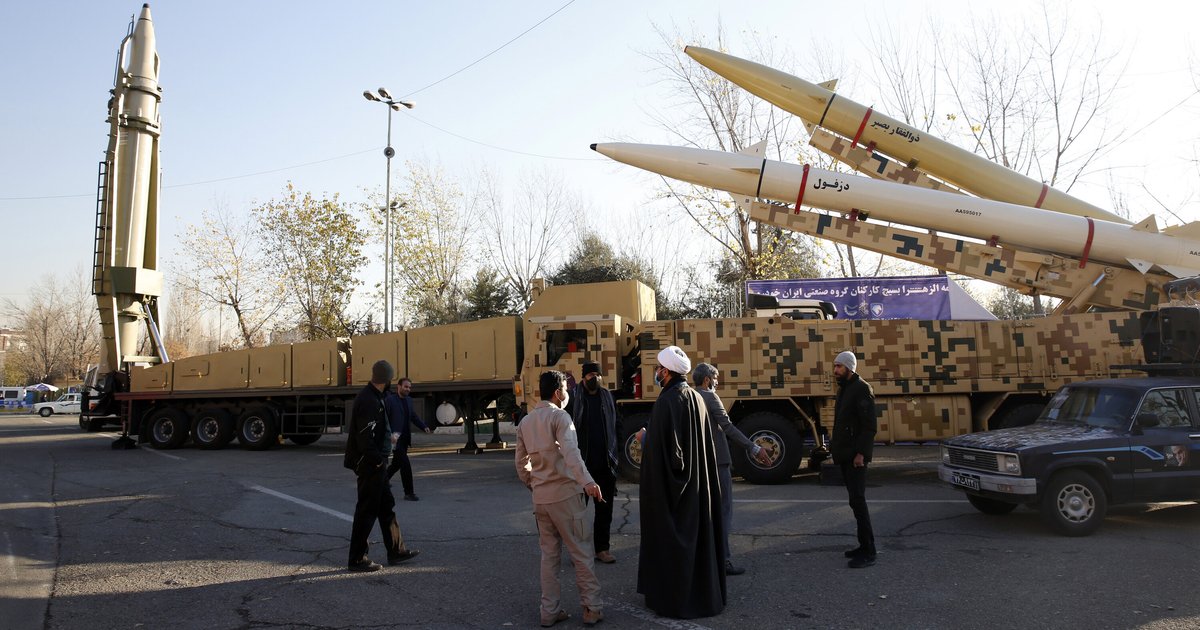
US diplomatic pressure on Iran is escalating as the second round of nuclear talks encounters significant setbacks. Firas Elias, an expert on Iranian affairs, noted in an interview with Sky News Arabia that the relationship between the United States and Iran has undergone a qualitative transformation, shifting from traditional negotiation pathways to an open struggle of diplomatic wills.
This transformation occurs against a backdrop of rising tensions, with Iran continuing to advance its nuclear program, raising concerns within the international community. The Biden administration appears to be leveraging all available diplomatic tools to pressure Tehran in an effort to revive the nuclear agreement reached in 2015.
Details of the Ongoing Talks
Nuclear discussions between Iran and global powers are ongoing but face significant challenges. Reports indicate that Iran has increased its uranium enrichment levels, sparking fears of its potential development of nuclear weapons. In this context, Elias emphasized that Iran is using the enrichment card as leverage against major powers, complicating negotiations further.
On the other hand, the United States is seeking to impose new sanctions on Iran in an attempt to compel it back to the negotiating table. Elias pointed out that this strategy could escalate tensions, as Iran might respond with aggressive steps in its nuclear program.
Background & Context
Historically, US-Iranian relations have been fraught with ongoing tensions since the Islamic Revolution in 1979. These tensions have led to the imposition of stringent economic sanctions on Iran, adversely affecting its economy. In 2015, a nuclear agreement was reached between Iran and major powers aimed at curbing Iran's nuclear program in exchange for sanction relief. However, the US withdrawal from the agreement in 2018 reset the situation to square one.
Since then, Iran has ramped up its nuclear activities, prompting the international community to reassess its strategies towards Tehran. The current situation necessitates that all parties involved take serious steps towards achieving peace and stability in the region.
Impact & Consequences
If the talks continue in this direction, they could lead to heightened tensions in the Middle East. Any failure to reach an agreement may open the door to a nuclear arms race in the region, increasing the risk of armed conflicts. Furthermore, ongoing US pressure could provoke extreme reactions from Iran, complicating matters even further.
Moreover, any escalation in tensions could affect oil prices and global financial markets, as Iran is one of the largest oil producers in the world. Therefore, the stability of the region heavily relies on the outcomes of these discussions.
Regional Significance
Arab countries neighboring Iran, such as Saudi Arabia and the UAE, are among the most affected by the tensions between the US and Iran. Any escalation in relations could destabilize the region, impacting the national security of these countries. Additionally, Arab nations are striving to balance their relationships with major powers, further complicating the situation.
In conclusion, the future of nuclear talks between Iran and the United States remains uncertain, as pressures from all sides continue to mount. Nevertheless, the need for dialogue and understanding remains essential to avoid any escalation that could lead to dire consequences for the region and the world.