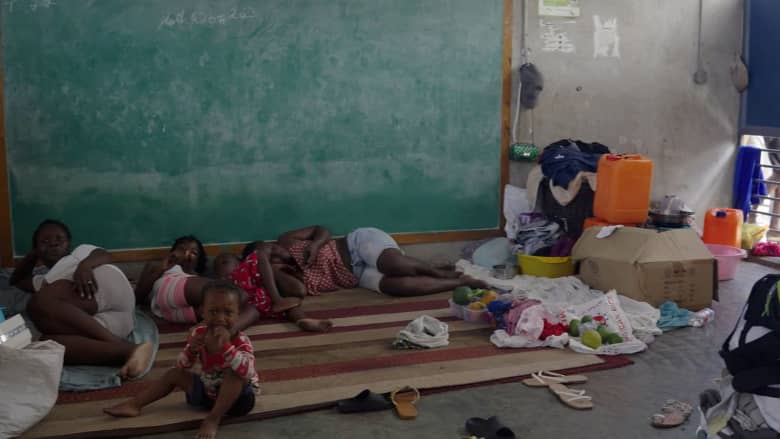
The United Nations reports that the death toll in Haiti due to escalating violence has surpassed 5,500 individuals over the past ten months. This troubling increase in violence comes at a time when the country is grappling with a crippling economic and social crisis, as criminal gangs control many areas, exacerbating the suffering of civilian populations.
The violence perpetrated by these gangs includes murder, rape, looting, and kidnapping, making daily life in Haiti fraught with danger. The United Nations has warned that the situation has reached worrying levels, as gangs continue to expand their influence across the country, threatening security and stability.
Details of the Situation
Reports indicate that criminal gangs have become more organized and powerful, competing with each other for control over strategic areas. This competition has led to an unprecedented outbreak of violence, rendering the Haitian government incapable of managing the situation. Many regions have fallen outside state control, hindering humanitarian aid efforts.
In this environment, residents live in a state of constant fear, with many unable to leave their homes due to the risk of assaults. This has resulted in a surge in internal displacement, forcing many individuals to flee their homes in search of safety.
Background & Context
Haiti is considered one of the poorest countries in the Americas, suffering from a long history of political and economic crises. Since the devastating earthquake that struck the country in 2010, Haiti has struggled to recover fully, leading to worsening social and economic conditions. Corruption and mismanagement have contributed to the deterioration of the situation, creating a fertile ground for the growth of criminal gangs.
Over the years, these gangs have gained strength, exploiting the political chaos and government weakness. With the escalation of violence, it has become increasingly difficult for the government to regain control, further exacerbating the humanitarian situation in the country.
Impact & Consequences
Forecasts indicate that the continued violence in Haiti could worsen humanitarian crises, as the number of displaced individuals and those in need of assistance rises. Additionally, the deteriorating security situation may negatively impact foreign investments, further aggravating economic conditions.
Moreover, the rise in violence could lead to political repercussions, increasing pressure on the government to provide effective solutions. If the situation persists, we may witness greater international intervention, which could spark debates over national sovereignty.
Regional Significance
Although Haiti is far from the Arab world, humanitarian and political crises in any region can affect regional and international stability. The escalation of violence may lead to an increased flow of refugees, posing challenges for neighboring countries and raising humanitarian issues that require international response.
The situation in Haiti highlights the importance of international cooperation in addressing security and humanitarian challenges, which should be a focal point for Arab nations in the context of enhancing security and stability in the region.