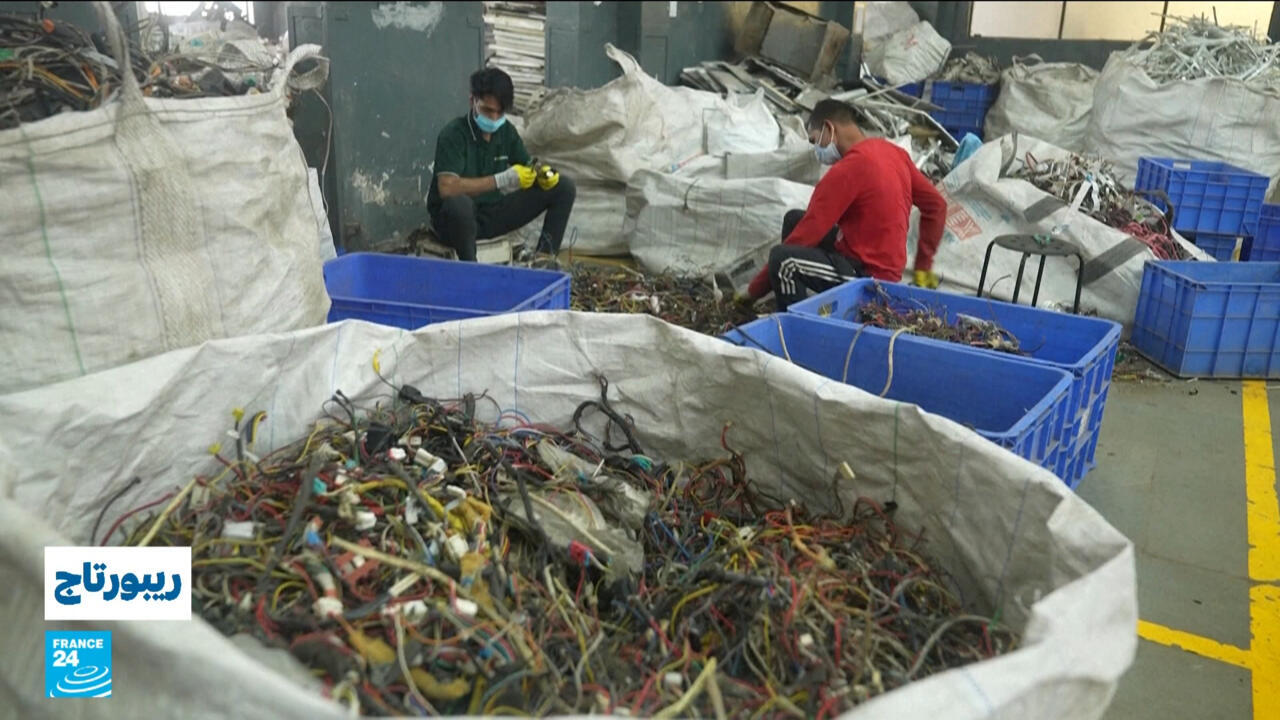
India is rapidly moving towards converting its electronic waste into a strategic resource that enhances its energy security and reduces reliance on China. In Haryana's factories, electric bike batteries are seen as 'white gold', while companies strive to integrate informal workers into a modern recycling system.
Electronic waste is one of the largest environmental challenges facing countries today. This waste contains precious metals and recyclable materials, making it an important resource. India, being one of the largest producers of electronic waste in the world, is working hard to capitalize on these resources instead of discarding them.
Details of the Initiative
In Haryana's factories, old electric bike batteries are being transformed into usable materials, reflecting India's efforts in recycling. This process not only helps reduce waste but also enhances India's ability to achieve energy self-sufficiency. Indian companies are developing modern technologies to improve the efficiency of the recycling process, contributing to increased economic returns.
The Indian government aims to integrate workers from the informal economy, who make up a significant portion of the workforce in the recycling sector. By providing necessary training and resources, the government seeks to improve working conditions and increase productivity, positively impacting the local economy.
Background & Context
Historically, India has heavily relied on importing raw materials from other countries, especially China. With rising trade tensions between the two nations, it has become essential for India to reduce its dependence on imports. Therefore, transforming electronic waste into valuable resources represents a strategic step towards achieving this goal.
India is among the leading countries in technological innovation; however, managing electronic waste remains a significant challenge. In recent years, the Indian government has launched several initiatives to promote environmental sustainability, reflecting its commitment to achieving sustainable development goals.
Impact & Consequences
Transforming electronic waste into strategic resources could improve India's economic situation, potentially leading to the creation of new job opportunities and fostering innovation in the industrial sector. This move may also enhance India's image on the international stage as a leader in sustainability.
Moreover, reducing reliance on imports can bolster India's energy security, making it less susceptible to global economic fluctuations. This could contribute to the long-term stability of the Indian economy.
Regional Significance
India's experience in converting electronic waste into strategic resources serves as a model for Arab countries. Arab nations, facing similar challenges in waste management, can benefit from this experience to enhance their economic and environmental sustainability.
These initiatives could create new job opportunities and improve living conditions in Arab countries, promoting sustainable development in the region. Additionally, cooperation between Arab nations and India in this field may lead to knowledge and expertise exchange, strengthening joint efforts to tackle environmental challenges.
In conclusion, transforming electronic waste into strategic resources is a significant step towards achieving sustainable development. Through these initiatives, India demonstrates to the world how waste can be utilized and transformed into new economic opportunities.