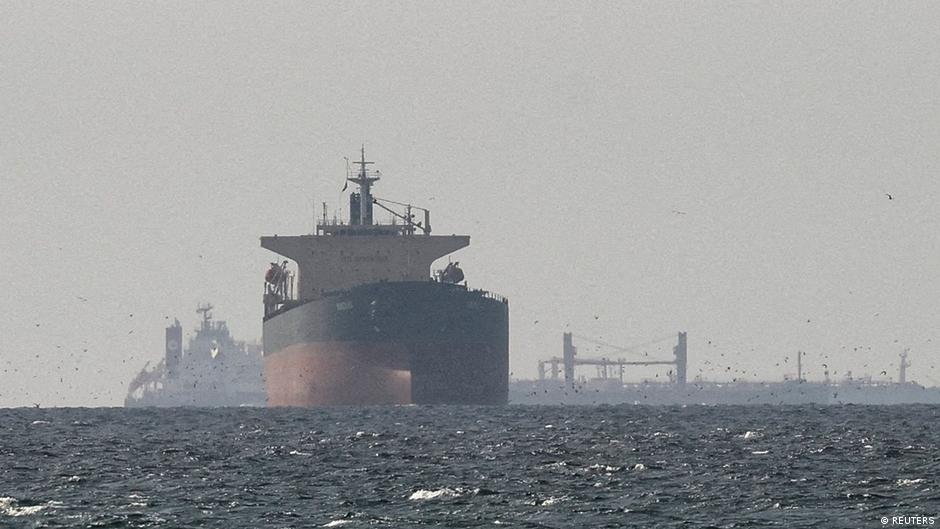
As part of its efforts to enhance maritime security, India called for the reopening of the Strait of Hormuz during an international summit hosted by the United Kingdom. This strait is considered one of the most important waterways in the world. The summit saw participation from over 60 countries, where Indian Foreign Minister Vikram Misri highlighted the importance of securing freedom of navigation in this vital region.
During the summit, Misri confirmed that India is the only country that has lost sailors in attacks on commercial vessels in the Gulf, underscoring the risks faced by nations that rely on these maritime routes. He urged for a reduction in tensions and a return to diplomacy, emphasizing the impact of the current crisis on energy security in India.
Event Details
The virtual summit was held on Thursday, addressing the deteriorating situation in the Gulf region and its impact on international shipping. Despite extensive discussions, no tangible agreement was reached on how to reopen and secure the strait. These calls come at a time when concerns are rising over increasing oil prices and uncertainty regarding the role of the United States in ensuring maritime security.
In a related context, US President Donald Trump noted the continuation of attacks on Iran but did not provide a clear plan for reopening the strait. Instead, he placed the responsibility on countries that depend on the oil passing through this corridor.
Background & Context
The Strait of Hormuz is a vital transit point for the transport of oil and natural gas, with approximately 20% of the world's total oil passing through it. In recent years, the strait has witnessed escalating tensions due to regional conflicts, negatively affecting shipping traffic and leading to rising oil prices.
Historically, the strait has been the stage for numerous crises, from the tanker wars in the 1980s to the current tensions between Iran and the United States. These crises directly impact global markets and increase instability in the region.
Impact & Consequences
The repercussions of the current crisis extend beyond India, affecting all countries that rely on imported oil. Rising oil prices due to tensions in the Gulf could lead to increased transportation and energy costs, impacting the global economy.
Furthermore, the continuation of crises in the region may lead to an escalation of military conflicts, threatening the stability of neighboring countries and increasing the suffering of populations. Therefore, the calls for reopening the strait come at a highly sensitive time.
Regional Significance
Arab countries, especially those reliant on oil exports, are among the most affected by developments in the Strait of Hormuz. Any escalation in tensions could lead to increased oil prices, impacting the economies of these nations and heightening economic and social pressures.
Moreover, ensuring maritime security in the Gulf is vital for Arab states, as many of these countries depend on maritime trade. Therefore, regional and international cooperation is essential to ensure the stability of the region.
In conclusion, India's calls to reopen the Strait of Hormuz reflect growing concerns about the impact of regional crises on security and energy. The current situation requires intensive diplomatic efforts to ensure freedom of navigation and the stability of global markets.