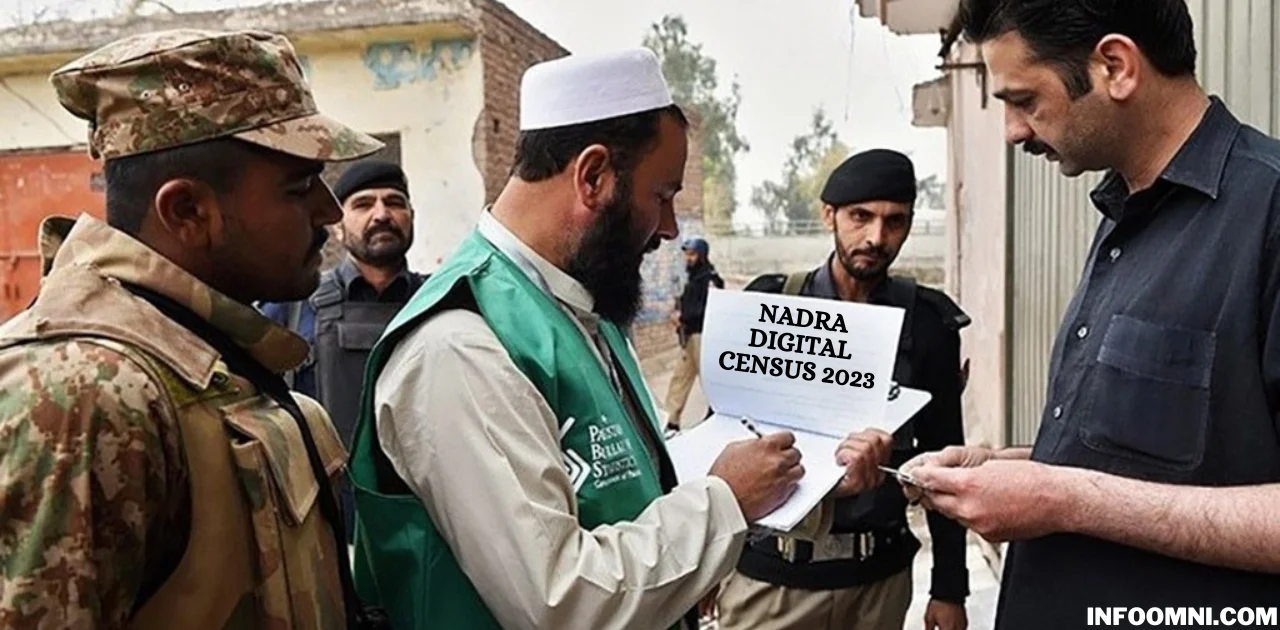
India has commenced its long-awaited national census, a crucial step for comprehensive data collection. For the first time since independence, information about social classes will be included. This census, considered one of the largest population counts in the world, aims to provide accurate data that will help shape public policies and direct resources effectively.
This process is taking place at a sensitive time for India, as the country faces multiple economic and social challenges. The census is expected to last several weeks and involves collecting data on over one billion people, making it one of the largest statistical operations in history.
Details of the Event
This initiative is part of the Indian government's efforts to improve planning and development, as the census will aid in better understanding the demographic composition. The census includes the collection of information about age, gender, education, and occupation, along with new data related to social classes.
This census is the first of its kind since 2011, having been postponed several times due to the COVID-19 pandemic and logistical challenges. The Indian government hopes that this census will provide accurate data that contributes to improving public services and directing investments to the most needy areas.
Background & Context
India was established as an independent nation in 1947, and since then, several population censuses have been conducted. However, the inclusion of information about social classes is considered a new step in the history of Indian censuses. Social classes play a significant role in the socio-economic life of India, affecting opportunities for education and employment.
In recent years, there have been increasing demands for a comprehensive census that takes into account the social and economic diversity of the country. This census is seen as an opportunity to highlight the challenges faced by marginalized groups, which could lead to improved government policies towards them.
Impact & Consequences
This census is expected to have a significant impact on public policies in India. The data collected will assist the government in prioritizing development and directing resources more effectively. Additionally, the inclusion of information about social classes may contribute to improving economic opportunities for marginalized groups.
Moreover, this census could influence social relations in India, as it may help raise awareness about social class issues and encourage dialogue on equality and social justice.
Regional Significance
Although this census pertains to India, it holds important implications for the Arab region. It can be seen as a model for Arab countries facing similar challenges in collecting and analyzing population data. Amid the social and economic changes occurring in the region, understanding demographic composition can contribute to improving public policies and achieving sustainable development.
In conclusion, this census is a significant step towards achieving sustainable development in India, and it may have far-reaching effects on social and economic policies. It also underscores the importance of accurate data in shaping public policies and improving citizens' lives.