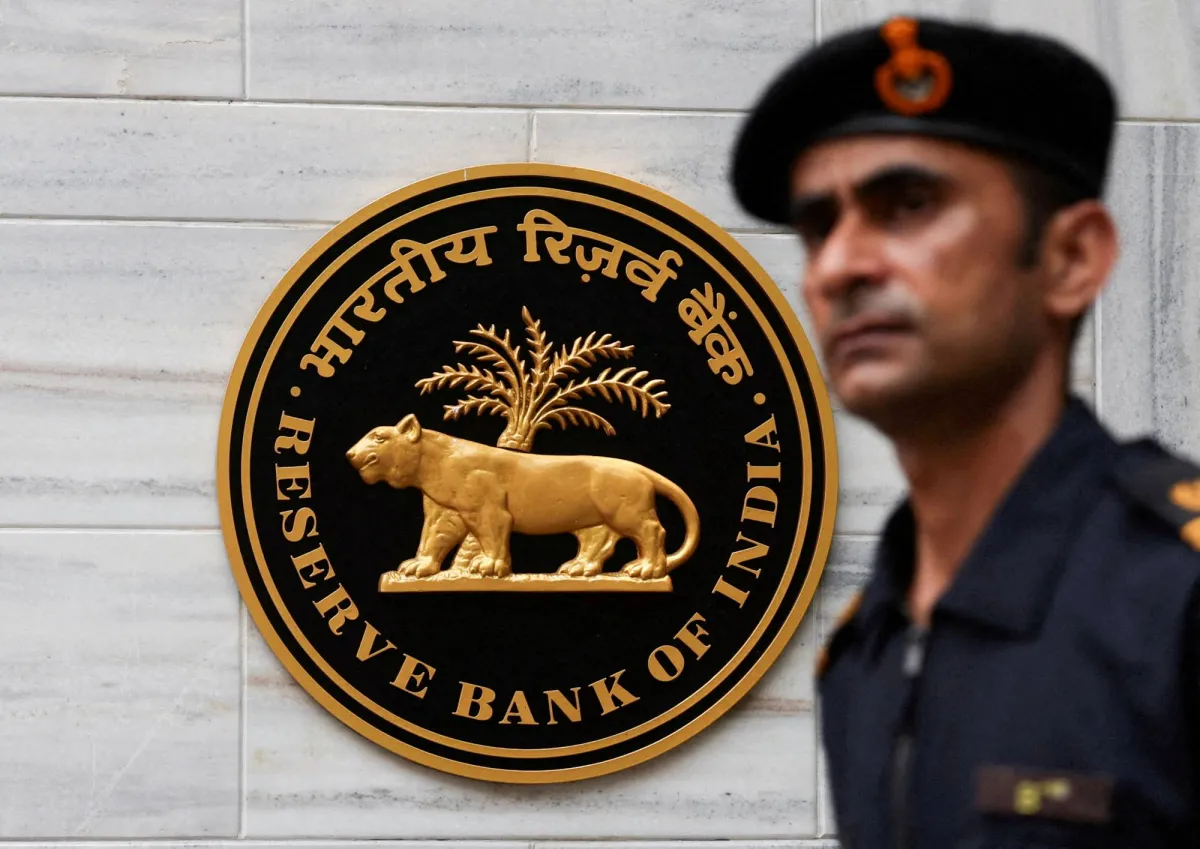
The Reserve Bank of India has maintained the key interest rate at 5.25%, reflecting concerns over a potential slowdown in growth and rising inflation rates. This decision comes at a sensitive time, as the region is experiencing the repercussions of the Middle East crisis, which has significantly impacted the Indian economy.
This decision coincided with the announcement from the United States and Iran regarding a two-week ceasefire after more than a month of fighting, leading to a spike in oil prices and disruptions in gas supplies. India, which relies on importing about 90% of its oil needs, is one of the countries most affected by these disturbances.
Details of the Event
The Indian rupee has fallen to a record low, with foreign investors withdrawing approximately $19 billion between March and April. Commenting on the decision, Reserve Bank Governor Sanjay Malhotra stated that "waiting and monitoring developments, along with growth and inflation forecasts, is the wisest option at this stage."
The Monetary Policy Committee voted unanimously to keep the repo rate at 5.25%, adopting a "neutral" stance that reflects a balance of risks between inflation and growth. A Reuters survey indicated that 69 out of 71 economists expected the interest rate to remain unchanged.
Background & Context
Despite inflation remaining within the target range, Malhotra warned of increasing risks, especially with the potential for the impact of oil price shocks to spill over into the domestic economy. He explained that "the initial supply shock could turn into a demand shock in the medium term if the recovery of supply chains is delayed."
Economic indicators show that economic activity remains relatively strong, but rising oil prices and shortages of essential inputs like gas could limit this momentum. At the same time, global oil prices have declined following news of the ceasefire, but they remain significantly higher than previous levels.
Impact & Consequences
The Chief Economist at DBS Bank, Radhika Rao, predicted that India's monetary policy may lean towards caution, focusing on a "delicate balancing act" between risks. The central bank also noted that the rupee has lost about 11% of its value during the current fiscal year, marking its largest decline in over a decade.
In related developments, yields on 10-year government bonds have slightly decreased, while stock indices rose by about 4% during the session. Malhotra reaffirmed the bank's commitment to ensuring adequate liquidity in the banking system to support the economy's needs.
Regional Significance
Arab countries are directly affected by fluctuations in oil prices, as India is one of the world's largest oil importers. Any changes in India's monetary policy could influence regional oil demand, potentially impacting global oil prices.
Additionally, India's import of its first Iranian oil shipment in years may open new avenues for economic cooperation between the two countries, which could affect trade relations in the region.
In conclusion, the Reserve Bank of India's decision to maintain the interest rate reflects a cautious approach amid global uncertainties, particularly those stemming from the Middle East crisis.