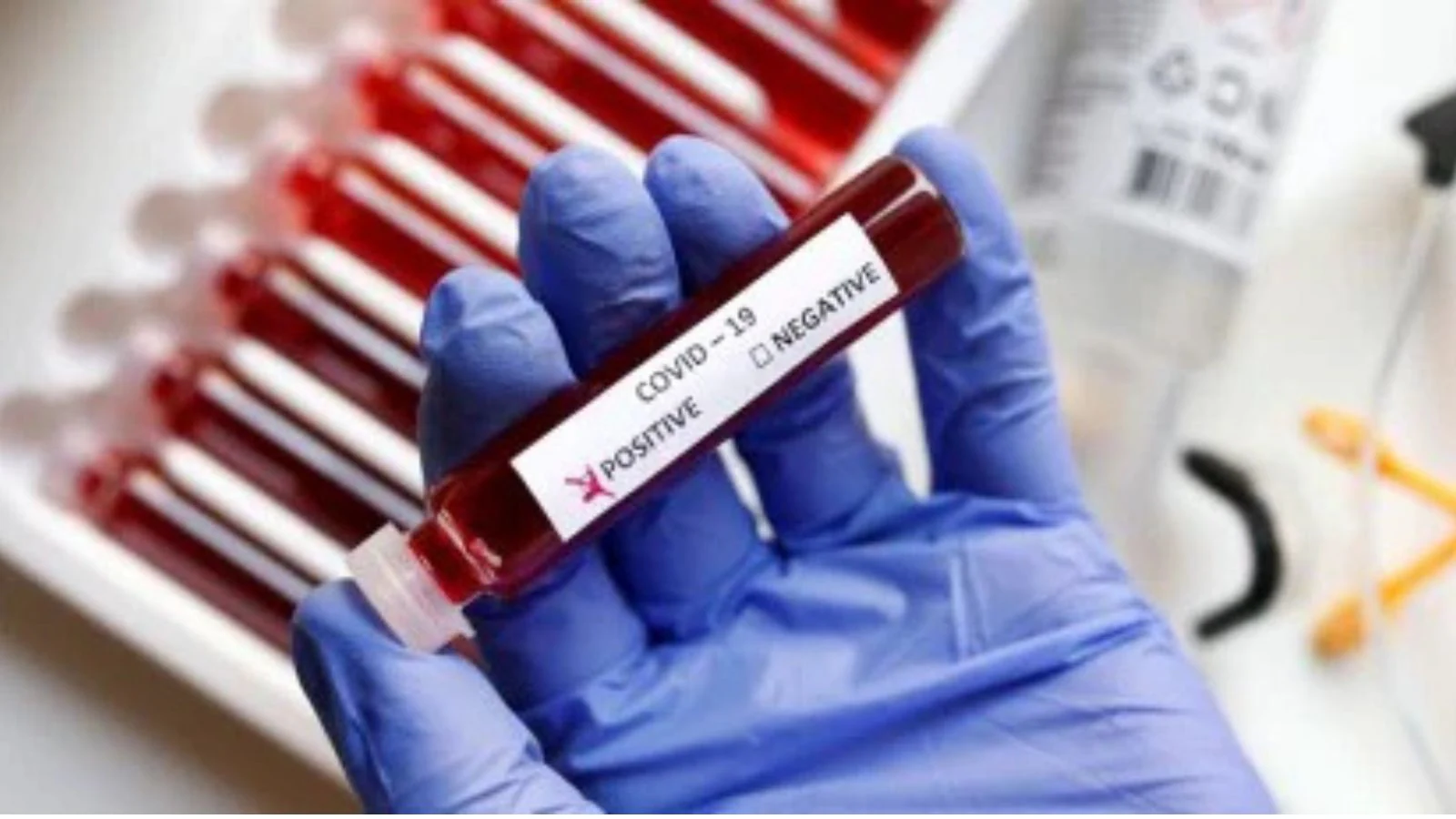
India has recorded over 10,000 new COVID-19 cases in the past 24 hours, bringing back fears of the virus's spread in the country. This notable increase comes at a sensitive time as the Indian government seeks to bolster its efforts to combat the pandemic.
Official statistics show that the total number of infections in India has surpassed 44 million, making it one of the most affected countries by the virus globally. Additionally, 30 new deaths have been reported, raising the total death toll to 530,000.
Details of the Situation
These figures come as India experiences a new wave of infections, prompting the reimposition of certain restrictions in several states. The Indian government has emphasized the importance of adhering to precautionary measures, including wearing masks and practicing social distancing, to curb the virus's spread.
Meanwhile, health authorities are striving to accelerate the vaccination process, with over 1.9 billion doses administered so far. However, significant challenges remain in reaching the most vulnerable populations, including the elderly and individuals with chronic illnesses.
Background & Context
India began facing the COVID-19 pandemic in early 2020 and has experienced several waves of infections. During the peak of the second wave in April and May 2021, India faced a severe shortage of oxygen and medical supplies, leading to the deaths of many patients.
Despite the progress made in vaccination efforts, the emergence of new variants of the virus, such as the Delta variant, has complicated the situation. Additionally, disparities in vaccine distribution between urban and rural areas present an additional challenge.
Impact & Consequences
This increase in infections raises concerns about the potential for new restrictions that could impact the Indian economy, which has begun to recover after a period of recession. Many experts warn that any stringent measures could lead to a decline in economic activity and exacerbate social conditions.
The health situation in India also has regional implications, as India is one of the largest countries in South Asia. Any new outbreak could affect neighboring countries and increase pressure on their public health systems.
Regional Significance
India is an important trading partner for many Arab countries, with some nations relying on imports from India across various sectors. Any deterioration in the health situation in India could disrupt supply chains and increase the prices of essential goods.
Furthermore, the rise in infections in India could affect travel and trade between Arab countries and India, potentially leading to a slowdown in economic recovery in the region.
In conclusion, India continues to face significant challenges in combating COVID-19, and the country's future depends on its ability to control the health situation. The government must take effective measures to ensure the safety of its citizens and the stability of the economy.