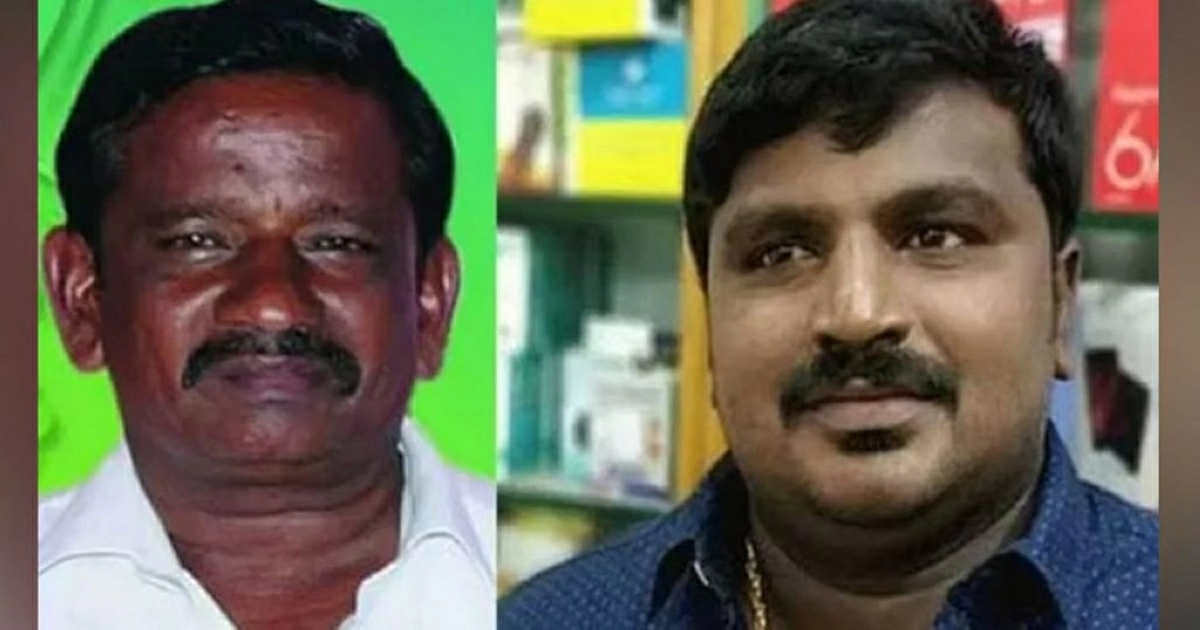
In a historic ruling, a court in Madurai, India, has sentenced nine police officers to death for the murder and torture of father P. Jeyaraj (58 years old) and his son Benicks (38 years old) inside a police station. This crime occurred in June 2020 after the two were arrested for allegedly keeping their mobile phone shop open during the lockdown imposed due to the COVID-19 pandemic.
The judge in the Madurai court described the incident as a gross abuse of power, stating that the victims were brutally tortured in front of each other. The judge emphasized that the officers acted with intent to kill, pointing out that what happened constitutes an assault on basic human rights.
Details of the Incident
P. Jeyaraj and his son Benicks were arrested on June 19, 2020, and subjected to severe torture inside the police station. The father and son died a few days after their detention, sparking a wave of protests across Tamil Nadu. Investigations revealed that the officers employed brutal torture methods, including severe beatings, leading to the victims' deaths.
Initially, ten officers were arrested in connection with this case, but one died from COVID-19 in 2020. Nine of them have been sentenced to death, with the possibility of an appeal against the ruling. The judge noted that these officers should not be exempt from punishment due to their ages or family backgrounds, asserting that they are all educated individuals.
Background & Context
The case of P. Jeyaraj and his son Benicks is one of the most shocking incidents in modern Indian history, reflecting a widespread issue regarding torture and mistreatment in detention centers. According to human rights organizations, hundreds of people die while in custody in India each year, and torture is a common method used to extract confessions from suspects.
Calls for reforms in the Indian police system have intensified following this incident, with several experts from the United Nations urging the Indian government to take serious steps to modernize the police system in line with international human rights standards. The incident has provoked strong reactions from politicians and celebrities, including opposition leader Rahul Gandhi and cricket star Shikhar Dhawan, who have called for justice for the victims via social media.
Impact & Consequences
This case raises questions about the integrity of the criminal justice system in India, where torture is considered part of police culture. The protests that erupted in Tamil Nadu demonstrated an urgent need for radical reforms in how police interact with citizens. Additionally, this case may increase pressure on the Indian government from human rights organizations and the international community.
It is expected that this case will affect India's image in the international community, as human rights are a sensitive issue closely monitored by Western nations. This incident could bolster calls for reforms in the police system, potentially leading to positive changes in how police engage with the public.
Regional Significance
Human rights issues and torture in detention centers are topics of concern for many Arab countries, where some challenges are similar. What happened in India highlights the necessity of strengthening human rights globally, including in Arab nations. This case may encourage activists in the region to demand greater transparency and accountability in criminal justice systems.
In conclusion, the case of P. Jeyaraj and his son Benicks represents a turning point in how India addresses human rights issues, and it may have far-reaching implications for legal and social reforms in the country.