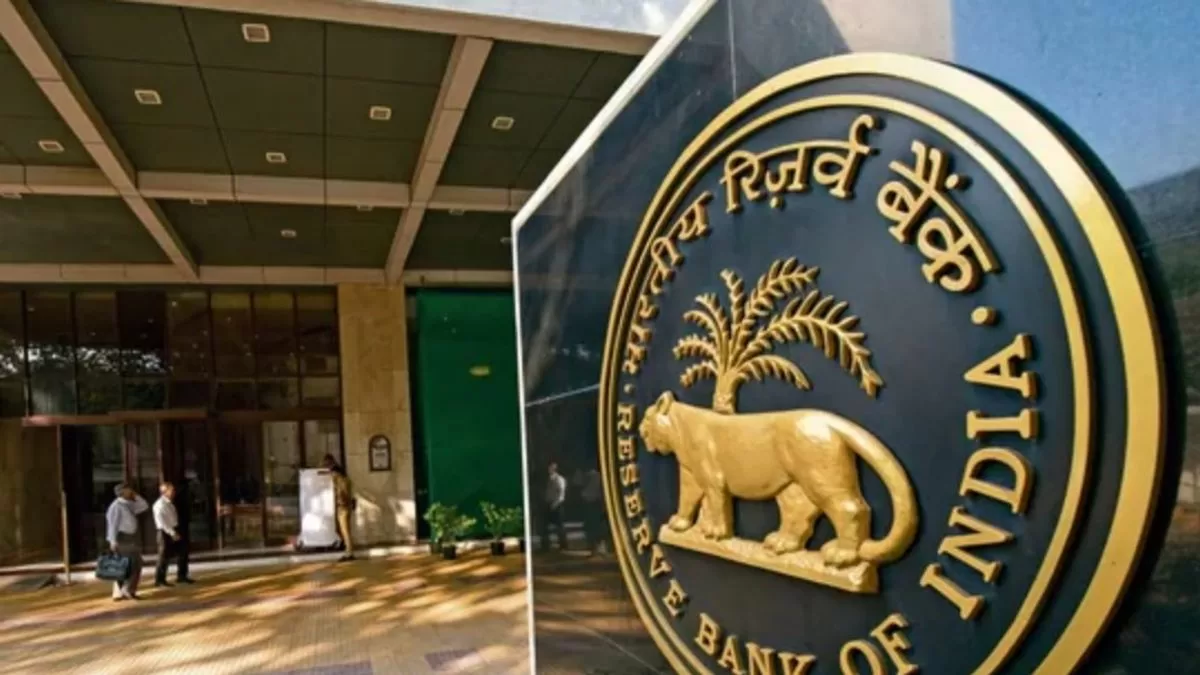
The Indian rupee has experienced a notable rebound after the Reserve Bank of India (RBI) intervened in the foreign exchange market, selling up to $3 billion to curb ongoing pressures on the local currency. This intervention has contributed to raising the rupee's value to surpass 96 rupees against the dollar, reflecting efforts to support the national currency.
The RBI's intensive operations began last Thursday, with the rupee rising by 0.65% to reach 96.20 rupees per dollar. The increase continued on Friday, as the local currency added another 0.4%, trading at 95.77 rupees per dollar. This rise indicates the market's response to the strong intervention from the central bank.
Details of the Intervention
An official from the treasury of a private sector bank stated that the RBI is currently the main seller of dollars in the market. He explained that the ongoing pressures on the rupee are linked to oil prices, noting that if these prices do not decrease, the situation will remain unchanged. This statement reflects concerns about external factors affecting the Indian currency.
It is worth mentioning that this intervention marks a significant escalation in the central bank's policy, as the average daily sales for intervention had been around $1 billion in previous days. The rupee had depreciated by approximately 2.5% over the past two weeks, making the intervention necessary to maintain currency stability.
Background & Context
The Indian rupee faces significant challenges due to global economic tensions, including rising oil prices and fluctuations in financial markets. These factors directly impact the currency's value, necessitating interventions from the central bank. Historically, India has relied on various strategies to support its currency, including direct interventions in the foreign exchange market.
The RBI's intervention is part of broader strategies aimed at enhancing economic stability in the country. In recent years, India has undergone substantial economic transformations, making it vital to maintain currency stability for sustainable growth.
Impact & Consequences
The rise of the rupee can affect the Indian economy in multiple ways. On one hand, it may reduce import costs, helping to control inflation. On the other hand, it could negatively impact exports, as Indian products become less competitive in global markets.
The central bank's intervention also reflects the Indian government's commitment to supporting the economy in the face of global challenges. This intervention may boost confidence in the Indian economy and attract foreign investments, contributing to economic growth.
Regional Significance
India is an important trading partner for many Arab countries, with some nations relying on imports from India. Any changes in the rupee's value could impact trade between India and Arab nations, necessitating close monitoring by policymakers in the region.
Amid global economic challenges, there may be opportunities for cooperation between India and Arab countries in various fields, including energy and trade. Such collaboration could help enhance economic stability in the region.
In conclusion, the RBI's intervention represents a crucial step in supporting the Indian rupee against economic challenges. This intervention may contribute to enhancing economic stability in India and affect trade relations with Arab countries.