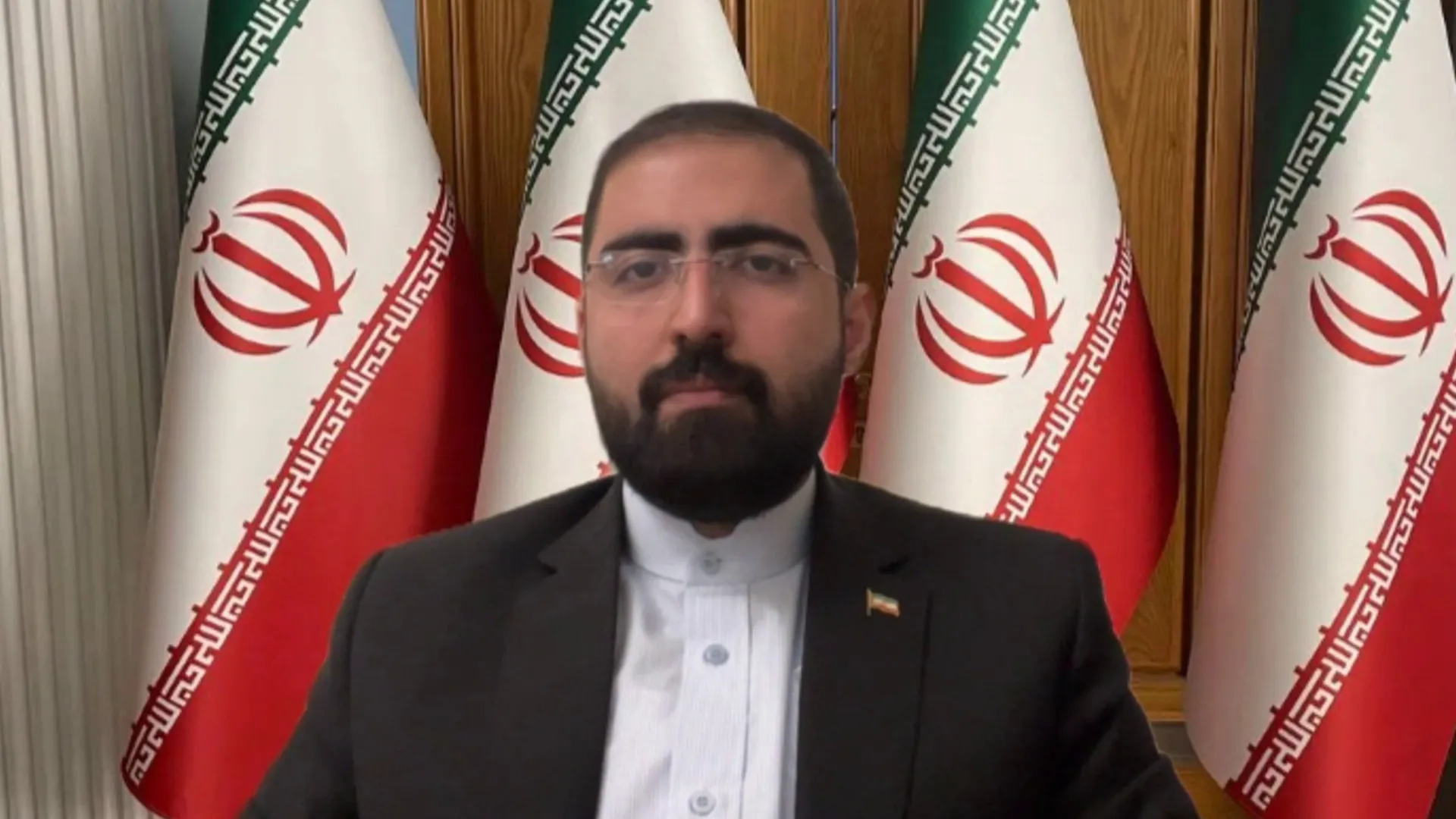
Ali Safri, advisor to the spokesperson for the Iranian Foreign Ministry, confirmed that his country remains engaged in a diplomatic path with the United States, despite the lack of trust between the two sides. He explained in statements to Al Jazeera Mubasher that Tehran is seeking to resolve outstanding issues through indirect channels, noting that the exchanged messages include sensitive files such as the nuclear program and ending the war.
Safri pointed out that a significant portion of the current tensions did not exist before the outbreak of the war but arose as a result of what he described as "American aggressions," including crises in the Strait of Hormuz. He confirmed that Tehran has presented several proposals at the request of mediators and has also received American proposals and other initiatives.
Details of the Event
Safri emphasized that Iran has shown "great flexibility" in negotiations and that communications between Tehran and Washington are ongoing. He mentioned that "the ball is in the American court," meaning that the United States must decide whether to continue its pressure policy or engage in the diplomatic path. He clarified that there is an urgent need to reach a comprehensive agreement that halts all aggressions.
He also indicated that the exchanged messages pertain to multiple files, including the Iranian nuclear program, ways to end the war, and the situation in the Strait of Hormuz. He confirmed that Tehran is monitoring these messages and responding in line with its national and regional interests.
Background & Context
These statements come at a sensitive time, as fears of escalating tensions in the region are increasing. Relations between Iran and the United States have significantly deteriorated since Washington's withdrawal from the nuclear agreement in 2018. Since then, the United States has imposed strict economic sanctions on Iran, exacerbating tensions.
Historically, Iran and the United States have been at odds since the Islamic Revolution in 1979. However, there have been repeated attempts to find channels for dialogue, despite the significant obstacles faced.
Impact & Consequences
If Iran and the United States can reach an agreement, it could lead to a de-escalation of tensions in the region, positively reflecting on regional stability. However, the continued American and Israeli aggressions could hinder any potential progress in negotiations.
Moreover, conflicting statements from the American side, such as those made by former President Donald Trump regarding the Strait of Hormuz, reflect instability in the American position and complicate negotiations further.
Regional Significance
The Iranian-American relations directly affect security and stability in the Arab region. The tensions between Iran and the United States could escalate conflicts in countries such as Iraq, Syria, and Lebanon, where Iranian forces are present and support armed factions.
Ultimately, hope remains for the possibility of progress in negotiations, but this requires strong political will from all parties involved.