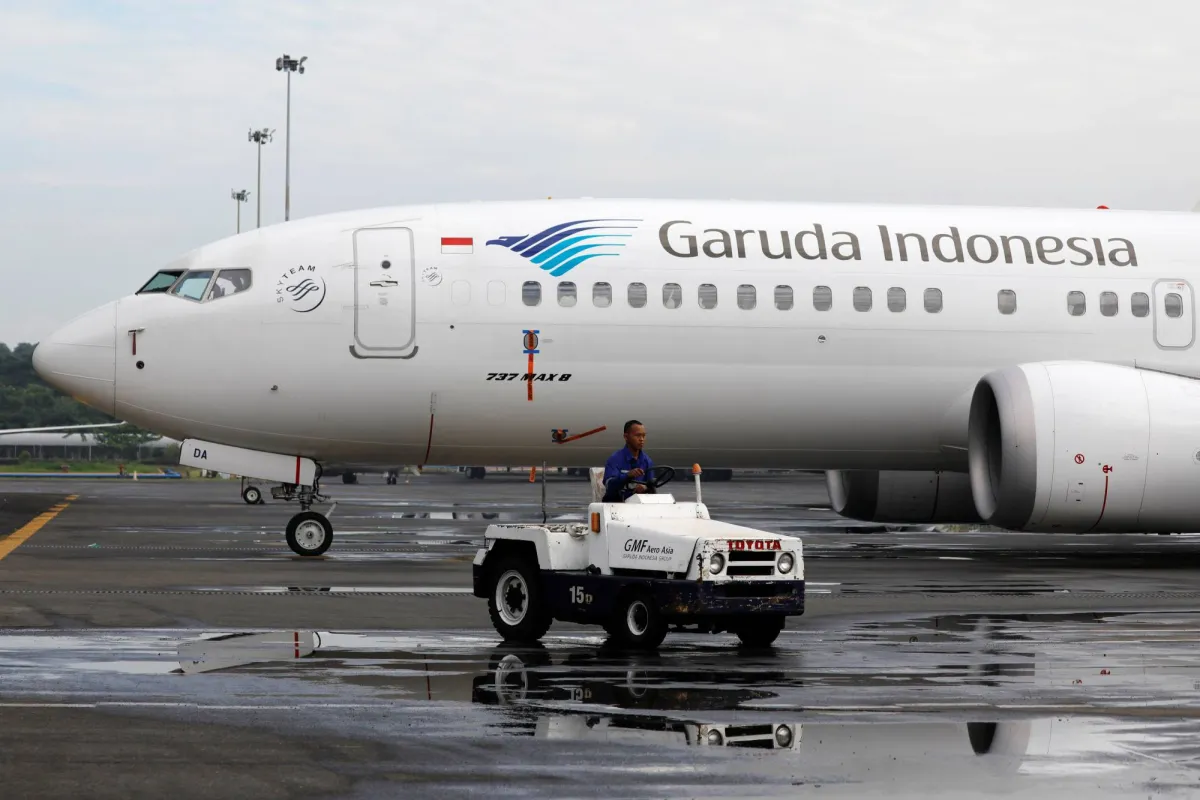
Indonesian Economy Minister Airlangga Hartarto stated that the government has made a decision allowing airlines to raise their ticket prices by up to 13% as a response to increased fuel fees. This decision comes at a time when airlines are struggling with rising operational costs due to global crises, including the ongoing war in the Middle East.
Hartarto explained that the government will provide tax exemptions for certain companies as part of regulatory measures to control prices. He noted that this step aims to ensure that ticket prices remain affordable for all travelers, despite the current economic challenges.
Details of the Decision
The Indonesian government is allowing airlines to increase ticket prices following the announcement of a fuel fee increase of up to 38% of the maximum ticket price. Tax exemptions and supportive policies have also been introduced to maintain travelers' purchasing power. These measures include exempting airlines from value-added tax and import duties on aircraft spare parts.
Transportation Minister Dudi Burohadi indicated that airlines had requested a fuel fee increase of 50%, but the government deemed that a 38% increase represented the optimal balance between airlines' purchasing power and avoiding significant losses. The government confirmed that this policy will be implemented over the next two months, with ongoing reviews based on regional developments.
Background & Context
This move comes amid rising global fuel prices, which have been significantly affected by political and economic crises in the region. Fuel prices have seen a notable increase due to ongoing conflicts, leading to heightened pressures on airlines.
The Indonesian government aims through these measures to strike a balance between supporting airlines and ensuring that travelers are not burdened with additional costs. This step reflects the challenges faced by many countries amid global crises and their impact on the local economy.
Impact & Consequences
This increase in ticket prices is expected to affect travel and tourism in Indonesia, as some travelers may hesitate to make travel decisions due to higher costs. Additionally, this move may increase pressure on airlines to provide better services to attract travelers.
On the other hand, tax exemptions may improve the financial situation of some airlines, enabling them to adapt to current challenges. However, the biggest challenge remains how to maintain travelers' purchasing power under these difficult economic conditions.
Regional Significance
Arab countries are also affected by rising fuel prices and operational costs, which may lead to similar measures being taken. Governments in Arab nations may seek to regulate prices and provide support to local airlines to avoid economic crises.
In light of the current situation, Arab countries must closely monitor developments in Indonesia and other nations facing similar challenges to ensure the stability of the aviation and tourism sectors in the region.
In conclusion, this decision illustrates how global crises can impact local economies, necessitating effective measures to ensure the sustainability of both the economic and tourism sectors.