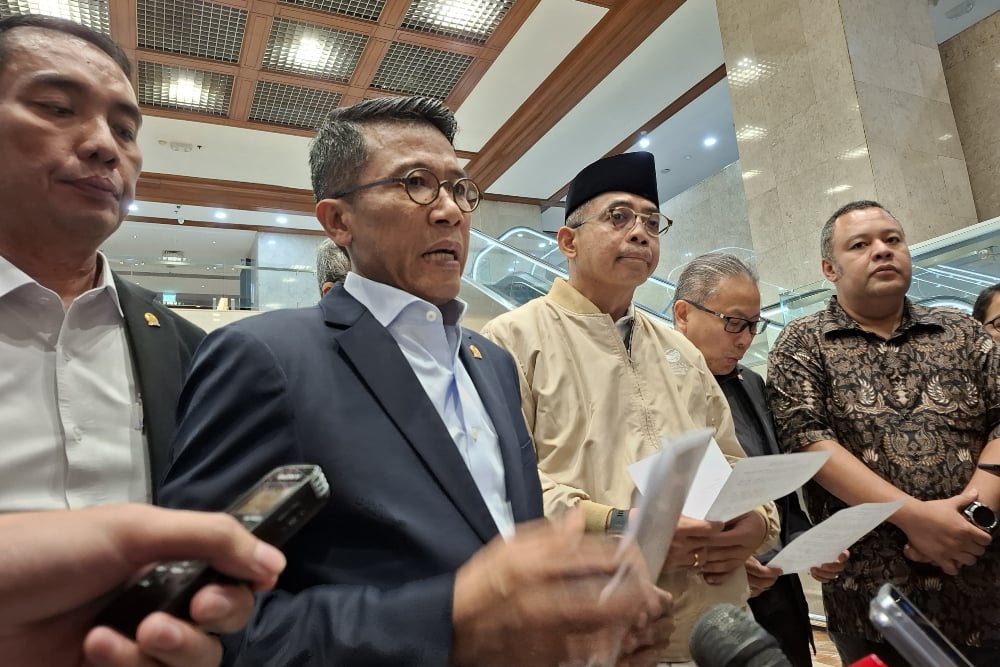
Indonesian Finance Minister Bappaya announced plans to improve the tax system known as Coretax during a working meeting with the Indonesian Parliament Committee (DPR) in the Parliament building in Jakarta. This move is part of the government's efforts to enhance transparency and efficiency in the tax system, contributing to increased government revenues.
During the meeting held on Monday, April 6, Bappaya emphasized that the government is working on developing the Coretax system to be more user-friendly for taxpayers, enabling them to file their tax returns more effectively. He highlighted the importance of this system in improving the taxpayer experience and reducing gaps in tax collection.
Details of the Announcement
These reforms come at a time when Indonesia faces significant economic challenges, as the government seeks to increase tax revenues to support development programs. Bappaya noted that improving the Coretax system will help achieve the government's goals of enhancing transparency and reducing corruption within the tax system.
The minister also mentioned that the government will provide training and technical support to taxpayers to ensure they fully understand how to use the new system. This initiative is part of a broader strategy to improve the business environment in Indonesia.
Background & Context
Historically, Indonesia's tax system has faced numerous challenges, including corruption and mismanagement. These issues have led to low levels of tax compliance, negatively impacting government revenues. In recent years, the government has begun taking serious steps to reform this system, including introducing new technologies and streamlining procedures.
Indonesia is one of the largest economies in Southeast Asia, yet it still faces challenges in effectively collecting taxes. Studies have shown that a significant percentage of taxpayers do not file their tax returns on time, reflecting the urgent need for reform.
Impact & Consequences
These reforms are expected to improve tax compliance levels, contributing to increased government revenues. Additionally, enhancing the Coretax system may encourage more investors to enter the Indonesian market, as the business environment becomes more transparent and efficient.
Furthermore, boosting transparency in the tax system may help build trust between the government and citizens, thereby enhancing social and economic stability in the country.
Regional Significance
Indonesia's experience in tax system reform serves as a model that Arab countries can benefit from, as they face similar challenges in tax collection and enhancing transparency. Arab nations can draw inspiration from these steps to improve their tax systems, contributing to increased public revenues and sustainable development.
In conclusion, the Indonesian government's efforts to improve the tax system represent a significant step towards achieving sustainable economic development and fostering trust between the government and citizens.