Indonesia has started today (Saturday) to enforce a new government law that prohibits children under the age of 16 from accessing social media platforms. This move is part of the government's efforts to protect teenagers from potential risks such as pornography, cyberbullying, fraud, and internet addiction.
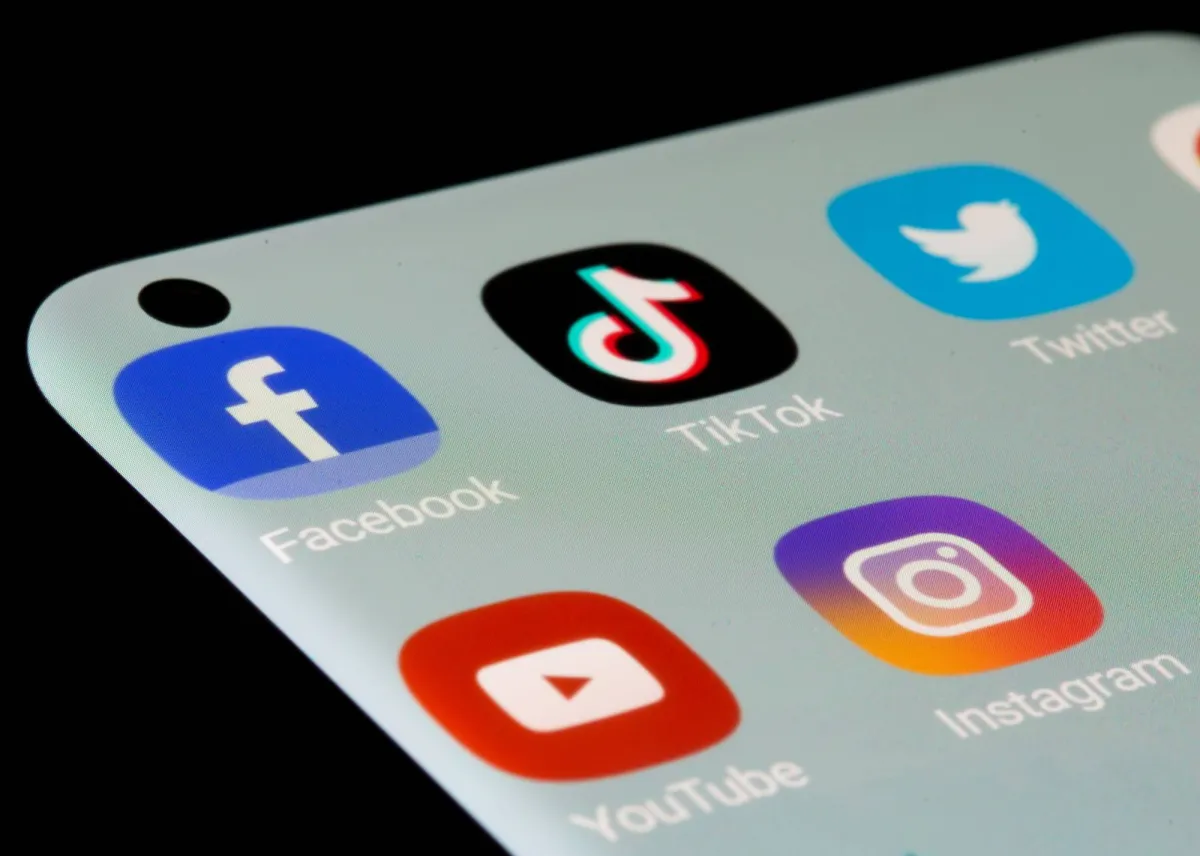
With this law, Indonesia becomes the first country in Southeast Asia to take such action, preventing children from having accounts on popular platforms such as YouTube, TikTok, Facebook, Instagram, Threads, X, Bigolive, and Roblox. This decision reflects the growing trend towards protecting children in the digital age.
Details of the New Law
This law was approved earlier this month, and the Indonesian Minister of Communications and Digital Affairs, Muotya Hafiz, stated that this measure will affect approximately 70 million children in the country, which has a population of around 280 million. The minister confirmed that the implementation of the restrictions will be gradual, allowing digital platforms sufficient time to comply with the new law.
This step follows Australia’s similar actions last year, where it imposed the world’s first ban on social media for children as part of efforts to protect teenagers and regain authority from tech giants. It appears that Indonesia is following this growing global trend towards protecting children in the digital space.
Background & Context
Indonesia is considered one of the largest internet markets in the world, with a continuously increasing number of internet users, making children vulnerable to various risks. In recent years, the country has witnessed a rise in cases of cyberbullying and online fraud, raising concerns among parents and the community. These worries have led to increasing calls from parents and civil society for restrictions on children's use of social media.
Through this law, the Indonesian government aims to enhance child safety and protect them from harmful content, reflecting the global trend towards safeguarding children in the digital space. This law has sparked mixed reactions among supporters of child protection and opponents of restrictions on freedom of expression.
Impact & Consequences
This law could significantly impact how children use social media, as it will limit their ability to access potentially harmful content. However, this law may face challenges in enforcement, as it requires digital platforms to develop effective mechanisms for verifying users' ages.
Moreover, this law may provoke discussions about freedom of expression and children's rights to access information. It is crucial to strike a balance between protecting children and ensuring their rights to express themselves and access content, which could pose a significant challenge for the Indonesian government.
Regional Significance
Indonesia's experience in imposing restrictions on social media for children serves as a model that Arab countries could benefit from. Many Arab nations face similar challenges regarding protecting children from digital risks. It may be beneficial for Arab countries to draw inspiration from this step and consider how to implement similar policies to safeguard children in the digital space.
With the continuous increase in internet usage among children and youth in the Arab world, the need to protect these groups from digital risks has become more urgent. These policies could contribute to enhancing child safety and improving their experience in using the internet.