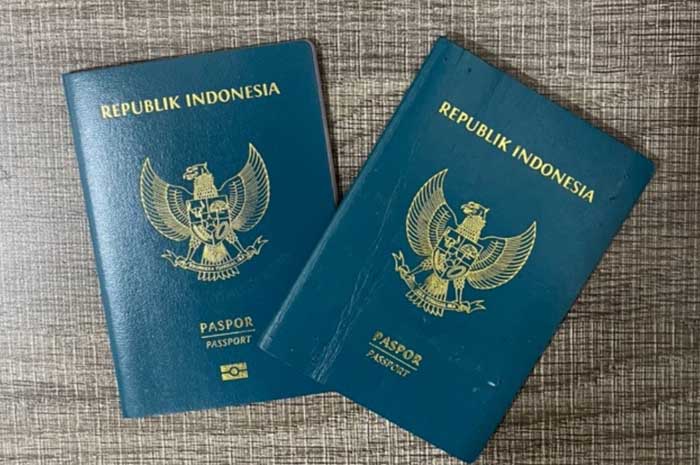
In a historic move, Indonesia's Ministry of Law and Human Rights (Kemenkum Kepri) confirmed the citizenship of three children with dual nationality during an official ceremony held in Tanjung Pinang. The children, named Mohammad Hiqal Hawazi, Nurul Azlin, and City Shimiya, officially became Indonesian citizens after taking an oath of allegiance.
The ceremony, which took place on Tuesday, March 31, was attended by the children's families, several officials from the Ministry of Law and Human Rights, as well as religious leaders. Edison Mank, head of the ministry's office in the Riau Islands province, confirmed that this step represents part of the implementation of Government Regulation No. 21 of 2022, aimed at facilitating the process of obtaining citizenship for children of mixed heritage.
Details of the Ceremony
During the ceremony, Edison Mank noted that this step reflects the government's commitment to providing legal support to children facing administrative challenges in determining their nationality. He emphasized that these measures are not merely formalities but represent a moral obligation by the government to ensure the rights of these children.
Mank also urged the new citizens to foster love for their homeland and loyalty to the Republic of Indonesia, stressing the importance of respecting the cultural and religious diversity in the country, which is considered part of the Indonesian national identity.
Background & Context
Historically, Indonesia has faced significant challenges regarding nationality issues, particularly for children of mixed heritage. Previous laws had prevented many children from obtaining Indonesian citizenship, leading to a state of legal uncertainty. However, recent amendments to the laws aim to address these issues and provide legal protection for these children.
Indonesia is one of the largest countries with cultural and religious diversity in the world, making nationality and identity issues more complex. Through these steps, the government seeks to promote national unity and ensure the rights of all citizens.
Impact & Consequences
This move is seen as a radical change in how the Indonesian government addresses nationality issues. It reflects a shift in public policy towards greater inclusivity and tolerance. Additionally, it may help build trust between the government and citizens, especially in light of the social and political challenges facing the country.
Moreover, this step could inspire other countries in the region to review their nationality policies, particularly those facing similar issues. Addressing nationality issues comprehensively can contribute to enhancing social and political stability.
Regional Significance
Although this event pertains to Indonesia, it holds significant implications for Arab countries. Some Arab nations face similar nationality issues, especially amid conflicts and disputes that have led to family displacements. Indonesia's experience could serve as a model for how to address nationality issues in a humane and legal manner.
In conclusion, confirming citizenship for children of mixed heritage represents a positive step towards enhancing human rights and social justice. Strengthening national identity through the recognition of the rights of all citizens is essential for building a cohesive and stable society.