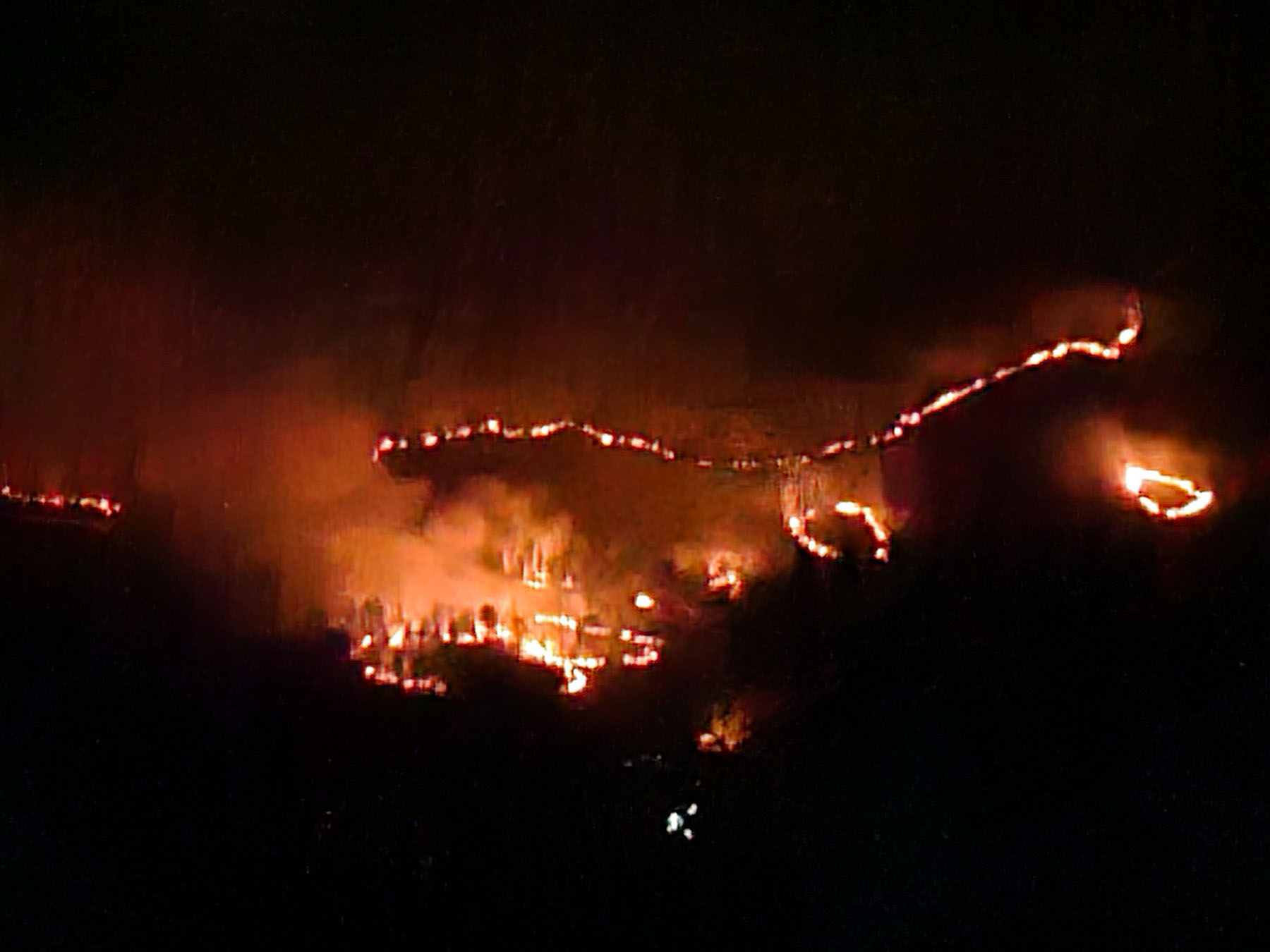
Indonesian Environment Minister Siti Nurbaya has urged local governments to declare a state of emergency in areas at risk of wildfires during a coordination meeting held in Jakarta. This request comes amid forecasts of increased fire risks due to the dry season and climatic factors, necessitating immediate action to ensure the safety of the environment and local communities.
During the meeting, the minister emphasized the importance of taking this step to ensure the effectiveness of government interventions against wildfires, noting that only two regions, West Kalimantan and Riau, have declared a state of emergency so far. She called on all governors and mayors to take swift action to facilitate government support in facing this potential disaster.
Details of the Event
The minister explained that there are expectations of a more severe dry season, along with the impact of the El Niño phenomenon, which could lead to an increased likelihood of wildfires. She pointed out that forecasts indicate a 50-80% chance of this phenomenon occurring during the second half of the year.
Attention has been focused on six main regions at risk of wildfires: Riau, Jambi, South Sumatra, West Kalimantan, Central Kalimantan, and South Kalimantan. These areas are rich in peatland ecosystems, which heightens the risk of fires.
Background & Context
Historically, Indonesia has experienced numerous wildfires that have led to the destruction of vast areas of forest, negatively impacting the environment and public health. Wildfires in Indonesia are a recurring problem, contributing to carbon emissions and biodiversity loss.
The Indonesian government is implementing multiple strategies to address this issue, including improving forest management and raising environmental awareness among local populations. Weather modification operations have also been carried out in vulnerable areas to increase rainfall and reduce fire risks.
Impact & Consequences
The consequences of wildfires in Indonesia extend beyond its borders, affecting air quality in neighboring countries and leading to health problems for populations. These fires also impact the local economy, as many residents rely on agriculture and fishing as primary sources of income.
The measures taken by the Indonesian government are a significant step toward environmental protection, but they require international cooperation to tackle shared environmental challenges. It is essential for neighboring countries to adopt similar policies to preserve the regional environment.
Regional Significance
Although wildfires in Indonesia may seem distant from the Arab region, the environmental impacts know no borders. Wildfires can lead to increased carbon emissions, affecting global climate and exacerbating climate changes faced by Arab countries.
This issue serves as a call for the Arab region to adopt effective strategies to address climate change and protect the environment, as international cooperation in this field has become an urgent necessity.