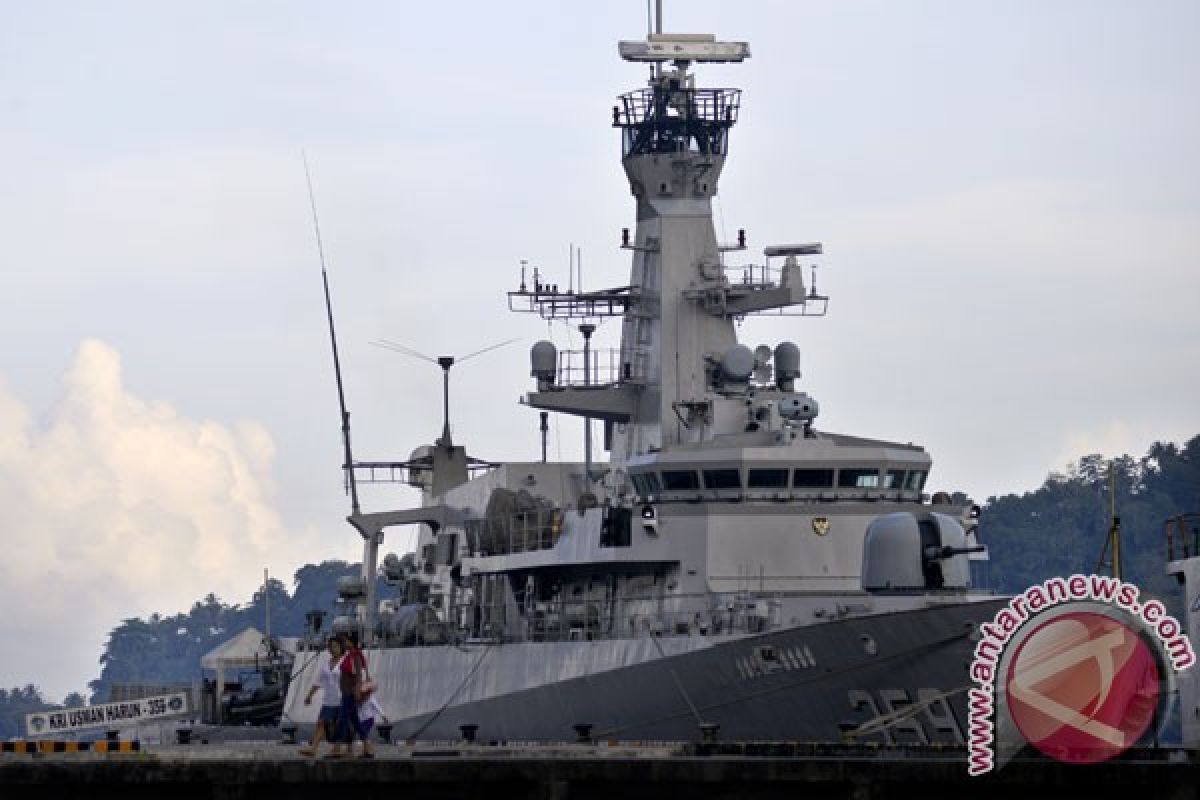
Indonesia has called on the United Nations on Tuesday to open an urgent international investigation into the deaths of three of its soldiers participating in the United Nations peacekeeping force (UNIFIL) in southern Lebanon. This demand arises amidst conflicting narratives regarding the causes and sources of the incidents, raising international concerns about the safety of peacekeeping forces in the region.
During an emergency session of the Security Council, Indonesia's representative to the UN, Omar Hadi, emphasized the necessity for a direct investigation by the United Nations, stressing the importance of holding those responsible for the incident accountable. He pointed out that Indonesia does not accept mere excuses from Israel, referring to reports indicating that Israeli airstrikes led to the soldiers' deaths.
Details of the Incident
According to reports from Reuters, the Indonesian soldiers were killed due to Israeli airstrikes in two separate incidents within a week that also saw the deaths of Lebanese journalists and paramedics from ongoing Israeli strikes. Conversely, preliminary results from a UN investigation, as announced by the head of peacekeeping operations Jean-Pierre Lacroix, indicated that an explosion on the roadside targeted a convoy of two Indonesian soldiers, resulting in their deaths.
UNIFIL announced on Monday the death of two of its peacekeeping soldiers and the injury of two others, one of whom is in serious condition, due to an explosion of unknown origin that targeted their vehicle near the town of Bani Hayyan in southern Lebanon. In another incident, UNIFIL reported on Sunday evening the death of one of its personnel and the injury of another following the fall of a shell near the town of Adchit Qusair, amid local reports indicating that a site belonging to the Indonesian unit was subjected to Israeli artillery shelling.
Background & Context
Indonesia is one of the largest contributors to UNIFIL, with over 2,700 soldiers, making it one of the largest contributing countries to these forces globally. Jakarta has previously warned that ongoing Israeli military operations pose a serious risk to UNIFIL forces, given the increasing targeting in areas of their deployment in southern Lebanon.
It is noteworthy that the situation in Lebanon has seen a rise in tensions recently, with increasing Israeli airstrikes on various areas, raising concerns about the safety of civilians and relief workers.
Impact & Consequences
The deaths of the Indonesian soldiers highlight the dangers faced by peacekeeping forces in Lebanon and reflect the escalating tensions in the region. This incident may provoke widespread international reactions, especially from countries contributing to UNIFIL, which could affect the United Nations' strategies in crisis management in the region.
Moreover, the international investigation requested by Indonesia could lead to increased pressure on Israel and complicate international relations in the area. The UN's response to this request may determine the future of peacekeeping operations in Lebanon and impact the overall stability of the region.
Regional Significance
This incident serves as a wake-up call for Arab countries, highlighting the need to enhance regional and international cooperation to protect peacekeeping forces and ensure civilian safety. The increasing military targeting in Lebanon indicates the necessity to reassess regional security strategies and reflects the significant challenges faced by Arab nations in maintaining stability.
In conclusion, the question remains as to how the international community will respond to these events and whether there will be concrete steps taken to protect peacekeeping forces and ensure that such incidents do not recur in the future.