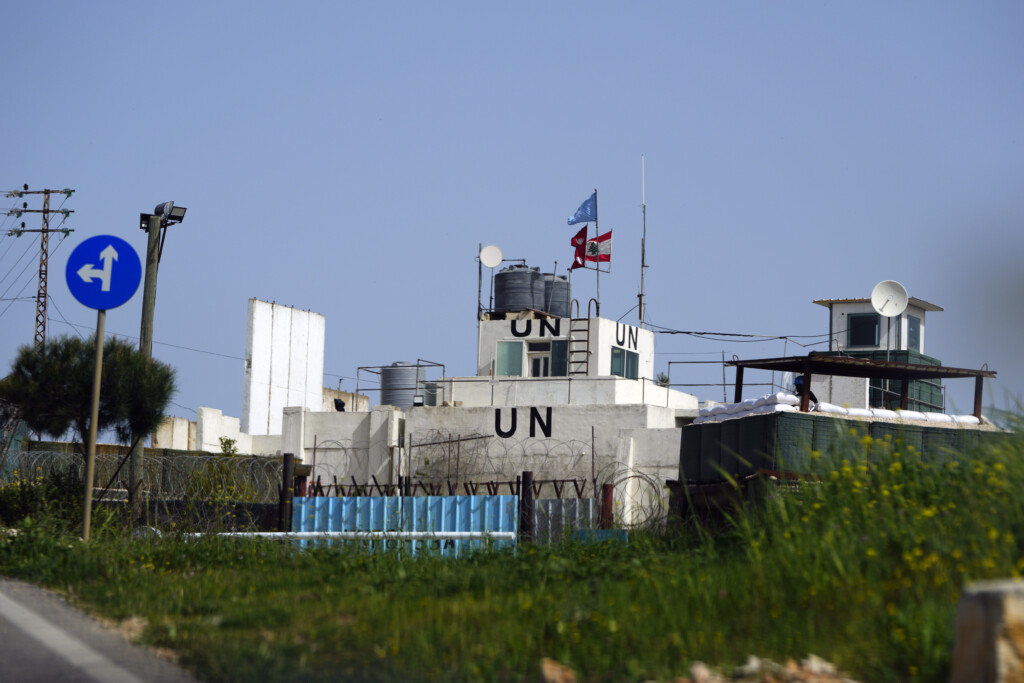
Indonesia has called on the United Nations to conduct a swift, comprehensive, and transparent investigation into the Israeli attack that targeted its soldiers in Lebanon, which resulted in the deaths of three Indonesian soldiers serving in the United Nations Interim Force in Lebanon (UNIFIL) at the end of March 2026.
During a meeting of the UN Security Council regarding the situation in the Middle East, Indonesia's Permanent Representative to the United Nations, Omar Hadi, condemned the attack that occurred on March 29 and 30, emphasizing the need to hold those responsible for this aggression accountable without any immunity.
Details of the Incident
The attack in Lebanon led to the deaths of Captain Zalmi Aditya Iskandar (33 years old), Sergeant Major Muhammad Noor Eishwan (25 years old), and Private Fahri Zal Ramdhan (27 years old). Additionally, five other soldiers were injured in the attack, highlighting the severity of the security situation in the region.
Hadi pointed out that the attack occurred while the soldiers were carrying out their duties under Security Council Resolution 1701, which aims to maintain peace and stability in Lebanon. He stressed the importance of taking urgent steps to enhance the protection of peacekeeping forces amid rising tensions.
Background & Context
Historically, the region has witnessed numerous armed conflicts, with UN peacekeeping forces monitoring the border between Lebanon and Israel since 1978. However, the recent escalation of Israeli attacks on Lebanon raises concerns about the safety of these forces.
The recent attack is seen as part of a growing pattern of assaults on peacekeeping forces, reflecting the escalating tensions in the region and threatening its stability. Indonesia, which has been participating in the UNIFIL mission since 2011, considers these assaults a blatant violation of international laws.
Impact & Consequences
This attack could have serious repercussions on peace efforts in the region, as targeting peacekeeping forces is viewed as a threat to international security. The attack may be classified as a war crime under international law, necessitating urgent international action.
Indonesia has urged the Security Council to take concrete measures to ensure the safety of peacekeeping forces, including reviewing security protocols and activating evacuation plans. They also emphasized that the safety of soldiers must be a top priority amid the escalating violence.
Regional Significance
This incident highlights the challenges faced by peacekeeping forces in the Middle East, where risks to international soldiers are increasing. It also underscores the urgent need for greater international cooperation to ensure the protection of these forces and to prevent further escalation.
In a broader context, this attack serves as a reminder that peace in the region remains fragile, and there is an urgent need for peaceful conflict resolution. The current situation requires a concerted international effort to ensure regional stability and protect civilians.