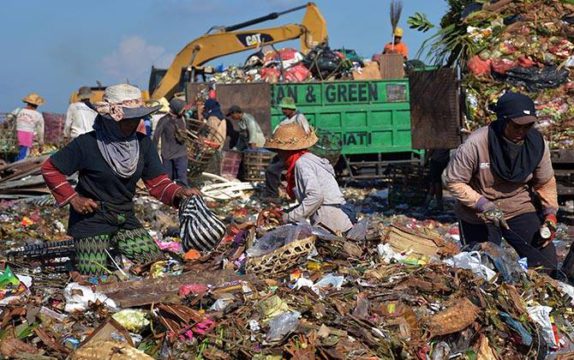
The Indonesian Ministry of Environment, in collaboration with the Environmental Monitoring Agency, has conducted a comprehensive review of waste management on Bali Island. This initiative is part of efforts to enhance environmental performance in the island, which is one of the most popular tourist destinations in the world. The review aims to assess the effectiveness of current systems and identify areas needing improvement.
Bali is a leading tourist destination, attracting millions of visitors annually. As the number of tourists increases, so does the amount of waste generated, placing significant pressure on the waste management system. Therefore, this review represents a vital step towards achieving sustainable waste management.
Event Details
The review included an assessment of the methods used for waste collection and processing, as well as an analysis of their impact on the local environment. It also focused on the importance of community awareness regarding recycling practices and waste reduction. The results are expected to contribute to the development of new strategies aimed at improving waste management in the future.
The review also examines the impact of waste on marine and terrestrial life on the island, as Bali is home to a diverse range of ecological species. By improving waste management, the Indonesian government aims to protect these species and ensure the sustainability of the ecosystem.
Background & Context
Historically, Bali has faced significant challenges in waste management, suffering from waste accumulation on streets and beaches. With increasing environmental awareness, the Indonesian government has begun taking serious steps to address this issue. Numerous local and international initiatives have been launched to promote environmental sustainability, including recycling and waste reduction programs.
In recent years, environmental issues have gained prominence on the political agenda in Indonesia, as the government seeks to achieve sustainable development goals. Bali serves as a model in this regard, with a focus on developing effective waste management strategies.
Impact & Consequences
The results of this review are expected to improve the quality of life for both local residents and visitors alike. If the recommendations are effectively implemented, this will lead to reduced pollution and improved public health. Furthermore, enhancing waste management will bolster Bali's reputation as a sustainable tourist destination.
Moreover, this step may inspire other countries in the region to reassess their waste management strategies. Bali can serve as a model for countries facing similar challenges, thereby enhancing regional cooperation in environmental matters.
Regional Significance
Environmental issues and waste management are common challenges faced by many Arab countries. Arab nations can benefit from Indonesia's experiences in this area, especially given the increasing environmental pressures resulting from population growth and urban expansion. Strengthening cooperation between Arab countries and Indonesia in environmental matters could contribute to the development of effective strategies to tackle these challenges.
In conclusion, the review of waste management in Bali represents an important step towards achieving environmental sustainability. By improving existing systems, Indonesia can contribute to environmental protection and enhance quality of life, making it a model for the region and the world.