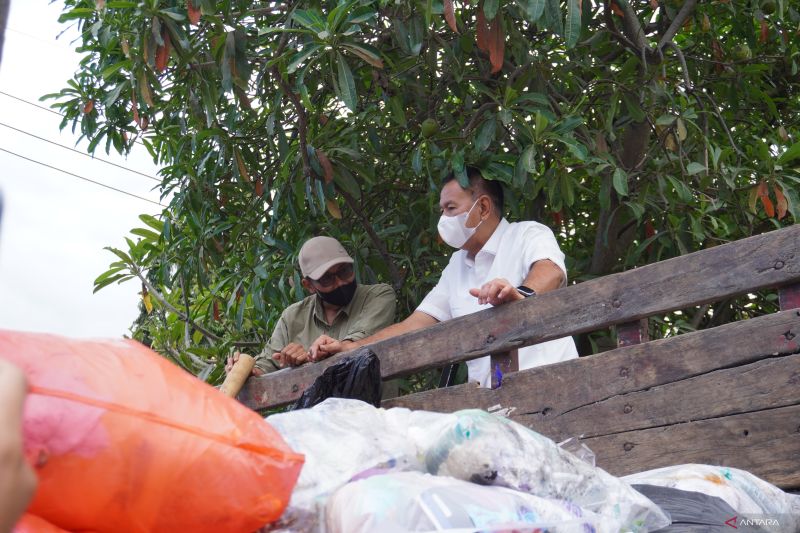
The Indonesian Ministry of Environment (LH) has announced the commencement of new restrictions on the disposal of organic waste, starting from the first of this month. These measures aim to reduce the environmental impact caused by waste and improve the quality of life in urban areas.
This initiative comes in response to growing concerns about environmental pollution due to organic waste, which constitutes a significant portion of the total waste disposed of in the country. The ministry has confirmed that these measures will help raise environmental awareness among citizens and encourage recycling.
Details of the New Measures
The new measures announced by the ministry include restrictions on the amount of organic waste that can be disposed of at landfill sites. Specific schedules for the collection of organic waste have also been established, allowing local authorities to better organize the collection process. Some sites have been equipped with special machines to convert organic waste into compost, contributing to a reduction in the amount of waste sent to landfills.
Awareness campaigns have also been launched to educate citizens about the importance of waste sorting and recycling, as the government seeks to foster a culture of sustainability among the population. This step is part of the Indonesian government's strategy to address climate change challenges and enhance environmental quality.
Background & Context
Historically, Indonesia has faced significant challenges in waste management, being one of the most polluted countries in the world. In recent years, the country has seen an increase in environmental awareness, prompting the government to take stricter measures to tackle this issue. Numerous environmental initiatives have been implemented, including improvements in waste management systems and the promotion of renewable energy use.
These new measures are part of the Indonesian government's commitment to achieving sustainable development goals, which include reducing waste and improving air and water quality. It is expected that these steps will contribute to long-term environmental improvement in the country.
Impact & Consequences
The new measures are expected to enhance the environmental situation in Indonesia, as they will help reduce the amount of waste sent to landfills. Furthermore, these steps will strengthen the government's capacity to manage waste more effectively, contributing to improved public health and quality of life for citizens.
Moreover, promoting a recycling culture among citizens will help create new job opportunities in the waste management sector, thereby boosting the local economy. These measures may also serve as a model for other countries facing similar waste management challenges.
Regional Significance
Arab countries can benefit from Indonesia's experience in waste management, especially given the environmental challenges many nations in the region face. Waste management is a vital issue that requires special attention, as it can significantly impact public health and the environment.
By adopting similar strategies, Arab countries can improve waste management and enhance environmental sustainability. Additionally, regional cooperation in this field can facilitate the exchange of expertise and modern technologies.