The Indonesian traffic authority (Korlantas) has announced the implementation of a new traffic plan aimed at alleviating the expected congestion during the upcoming weekend. Authorities will enforce a one-way traffic system from KM 390 to KM 70 to address the anticipated surge in traffic as citizens return to cities after spending their holidays in rural areas and on beaches.
This move comes at a time when the country is witnessing a noticeable increase in traffic flow, with many citizens expected to head to urban areas after their vacations. The traffic authority has confirmed that this system will be implemented in a timely manner to avoid the traffic jams that have plagued the country in previous years.
Details of the Traffic Plan
The one-way traffic system will begin to take effect starting next Friday, with authorities closing certain main roads in the opposite direction to facilitate smoother traffic flow. These measures are expected to last until Sunday, which is considered one of the busiest times of the year.
These actions follow careful assessments of traffic patterns in previous years, where data has shown that long weekends typically see a significant increase in the number of vehicles on the roads. Officials have indicated that this step aims to ensure the safety of citizens and facilitate their return home safely.
Background & Context
Historically, Indonesia has faced significant challenges in managing traffic, especially during holidays. In past years, the country has suffered from severe traffic congestion, leading to considerable delays and an increase in road accidents. As a result, the government has begun to adopt more effective measures for traffic management, including the implementation of one-way traffic systems during peak times.
These measures are part of a broader strategy to improve the country's transportation infrastructure, as the government seeks to develop road networks and enhance public transportation to alleviate pressure on major roads.
Impact & Consequences
These measures are expected to significantly reduce traffic congestion, thereby improving the travel experience for citizens. The implementation of a one-way traffic system could also decrease road accidents, as it contributes to better traffic organization.
However, authorities may face challenges in enforcing these measures, particularly if drivers do not comply. Therefore, it is crucial to conduct awareness campaigns to educate citizens about the importance of adhering to the new traffic laws.
Regional Significance
Indonesia's experience in managing traffic during holidays serves as a model that many Arab countries could benefit from, as they face similar challenges in this area. With increasing populations and rising traffic volumes, Arab nations need to develop effective strategies for traffic management, especially during holidays and major events.
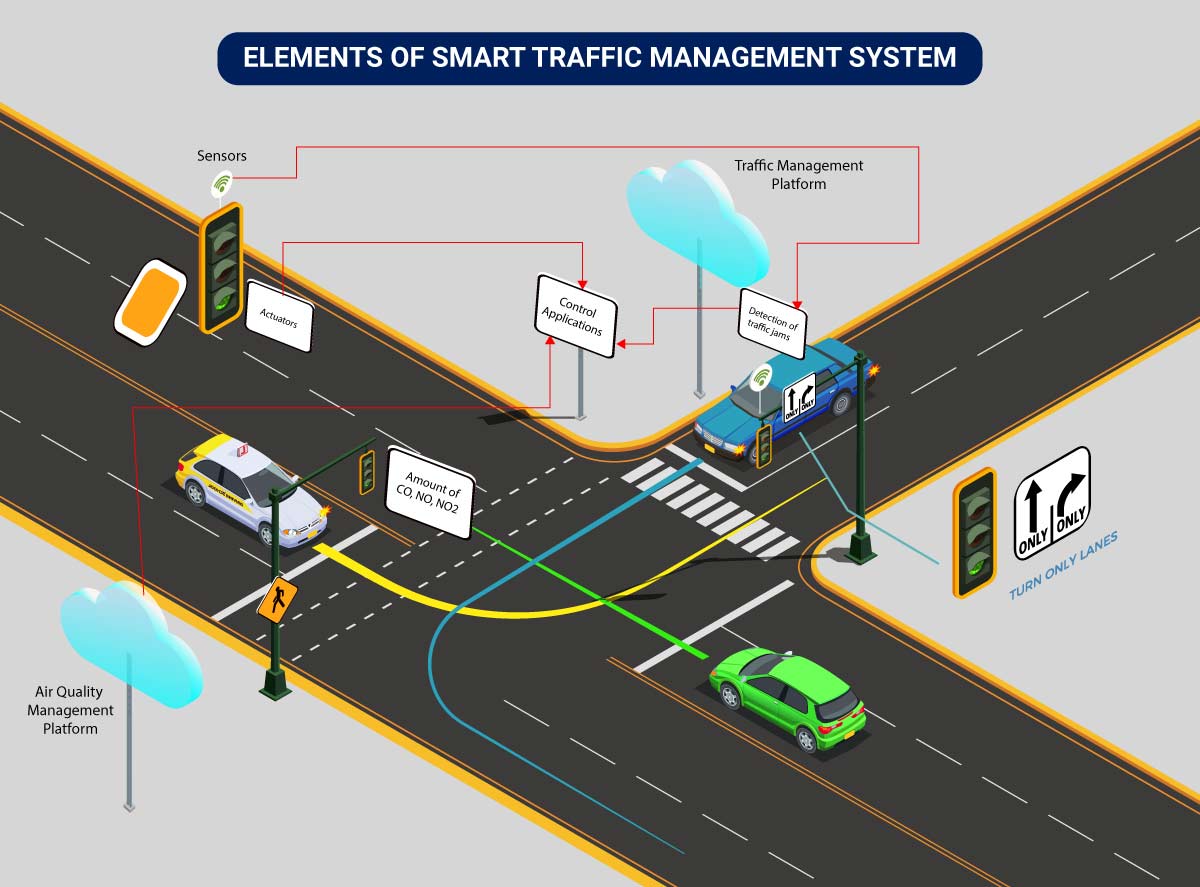
These measures could serve as a call for Arab countries to adopt innovative solutions in transportation, such as smart traffic systems and mobile applications that help organize traffic and provide real-time information to drivers.
In conclusion, the implementation of a one-way traffic system in Indonesia represents a positive step towards improving traffic management. As challenges continue, there is hope that these measures will enhance the travel experience for citizens and ensure their safety on the roads.